
Reviewed · MUSEUMS
Brussels: Musical Instruments Museum Entry Ticket
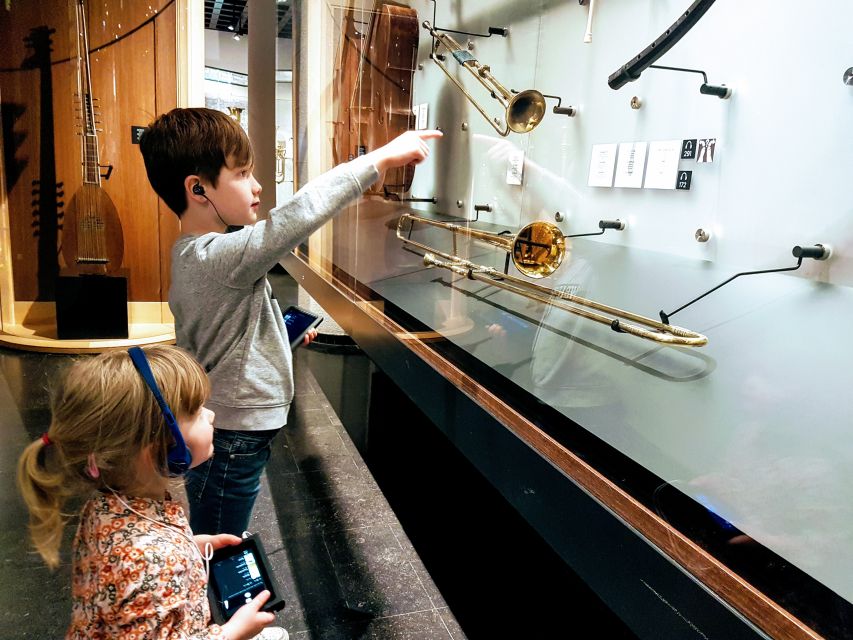
The most enjoyable part of this museum is that you do not just look at silent glass cases. An included multimedia device lets you hear nearly 300 musical clips, turning the collection into something you can listen to as you move through four floors. I like the range, from African slit drums to Western keyboards and electronic instruments, and I like the chance to see the oldest preserved saxophone in the world.
I also love the setting: the museum occupies the ornate Old England building on Brussels’ Mont des Arts. The main drawback is that not every instrument has a sound clip, so the listening experience is selective rather than complete. The museum restaurant is closed for renovation, too, so plan your coffee or meal elsewhere.
Key points to know before you go
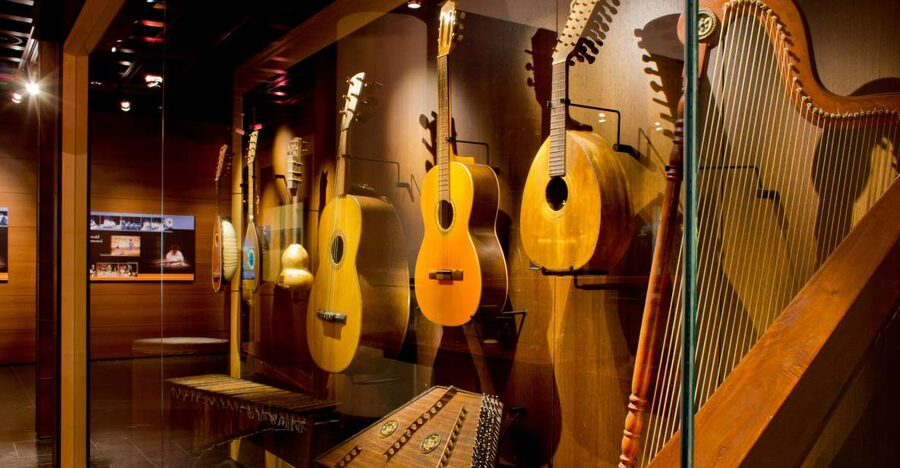
- Nearly 300 sound clips: Use the included multimedia device to hear selected instruments and musical pieces as you explore.
- Four floors of displays: See European instruments, keyboards, traditional instruments from around the world, and electronic instruments.
- Oldest preserved saxophone: One of the museum’s memorable objects is an early saxophone with special historical value.
- Art Nouveau setting: The Old England building on Mont des Arts is part of the visit, not just a container for the exhibits.
- Concerts cost extra: You may be able to attend a concert in the neoclassical hall, but the concert ticket is not included.
- Good practical flexibility: The ticket is valid for one day, offers skip-the-ticket-line entry, and can be canceled up to 24 hours ahead for a full refund.
Starting at the Old England building on Mont des Arts
The Musical Instruments Museum is located at Brussels’ famous Mont des Arts, a central site known for its cultural institutions and city views. You enter through the Old England building, an Art Nouveau structure with elaborate ironwork and decorative detail.
Take a moment to look up before heading inside. The building is part of the museum’s appeal, especially if you appreciate architecture as much as collections. It gives the visit a strong sense of place, rather than feeling like a standard modern exhibition hall.
The museum is run by the Royal Museums of Art and History. Your admission covers the museum itself, with no separate charge for the multimedia device. The ticket price is $17 per person, which is reasonable if you use the audio material and spend close to two hours exploring the floors.
The ticket is valid for one day, and skip-the-ticket-line entry saves you from buying admission at the museum. One useful practical tip: scan the QR code at the entrance rather than automatically going to the ticket office. A visitor described being sent toward the tourist office after staff misunderstood the ticket as a Brussels Card booking. Having the QR code ready should make the first step easier.
More museums in Belgium:
- Brussels: Atomium Entry Ticket with Design Museum Ticket
★ 4.4 · 9,254 reviews - Choco-Story Brussels: Chocolate Museum Entrance with Tasting
★ 4.3 · 4,883 reviews - Bruges: Choco-Story Chocolate Museum Guided Tour w/Tastings
★ 4.2 · 1,379 reviews
Four floors, four ways to understand music
The museum works best when you let the collections build from one floor to the next. It is not simply a display of beautiful objects. The instruments show how people have created, carried, changed, and recorded music across different places and periods.
The European instrument section gives you a foundation in the development of Western music. You can compare instruments by shape, material, and use, then hear selected examples through the multimedia device. This makes the cases easier to understand, especially if you do not already know the difference between various historical instrument families.
The keyboard collection is another major section. Keyboards are particularly good museum objects because their design changes are easy to see. The collection lets you consider how instruments developed from mechanical systems toward more modern forms. You do not need to play an instrument to find this section worthwhile, though people with a strong interest in music will probably spend the most time here.
A room devoted to traditional instruments from around the world broadens the visit beyond the European story. African slit drums are among the examples named in the collection, and the displays place familiar and unfamiliar instruments side by side. This is one of the better reasons to choose the museum over a smaller specialist exhibit: the subject reaches well beyond concert-hall traditions.
The electronic instrument exhibit brings the story into a more recent period. It helps show that the museum is not focused only on old wood, brass, and strings. The collection includes modern developments, giving the visit a wider time span than its historic building might suggest.
Why the sound device changes the visit
The multimedia device is the feature that most clearly improves the museum experience. Without sound, a museum of instruments can become a procession of polished objects. With the device, you can connect the shape of an instrument to the sound it produces.
Nearly 300 clips are available, which gives you plenty to hear over a two-hour visit. The audio guide is offered in English, Dutch, and French. You can listen as you walk, then stop longer at objects that catch your attention.
The system is not complete. Some instruments do not have a clip, so you will still encounter cases that require you to read and look rather than listen. If you expect every object to play, you may find the coverage uneven. I would treat the device as a well-chosen soundtrack, not as a recording for every instrument in the building.
The sound clips also make the museum more accessible to people who are not specialists. You do not have to understand technical labels to enjoy the contrast between instruments. A few seconds of sound can explain an object more clearly than a long panel of text.
Objects worth slowing down for
The oldest preserved saxophone in the world is one of the museum’s most distinctive objects. Saxophones are strongly linked with modern music, so seeing an early example adds a useful reminder that instruments often have a longer and more complicated development than their familiar public image suggests.
The museum’s keyboard collection is another place where detail matters. Look at the construction, not just the overall shape. The point is to see how musicians worked with the instrument and how design affected the music it could produce.
The traditional instrument rooms reward curiosity. You might recognize the basic idea behind an instrument but not its regional form, or see a type of percussion made in a way you have not encountered before. The multimedia device helps here, since sound gives these objects a purpose beyond decoration.
The electronic section changes the mood again. It places modern technology within the same broad story as older instruments. That makes the museum useful for anyone who thinks music museums are only about antique orchestras and dusty cases.
A few more Belgium half-days to weigh up
- Brussels: Entry Ticket to Mini-Europe
★ 4.5 · 2,870 reviews - Brussels: Autoworld Museum Ticket
★ 4.7 · 1,301 reviews - Brussels: Museum of Illusions Entry Ticket
★ 4.4 · 815 reviews - Bruges: Frietmuseum Entry Ticket
★ 4.2 · 652 reviews
How much time should you allow?
A visit of about two hours is a sensible starting point. That gives you time to walk through the four floors, listen to a useful selection of clips, and pause at the sections that interest you most.
You can shorten the visit if you are fitting the museum between other Mont des Arts sights. In that case, choose the European instruments, keyboard collection, and one of the global or electronic sections. You will not absorb everything, but you can still get a clear sense of the museum.
Music enthusiasts should allow longer. The sound device encourages you to stop, listen, compare, and then move on. If you try a large share of the nearly 300 clips, the visit will take more than a quick hour.
The museum is also a good rainy-day choice because the main activity takes place indoors. The Art Nouveau building adds interest while you are moving between exhibits, so the visit does not feel like four identical gallery floors.
The concert hall is a separate decision
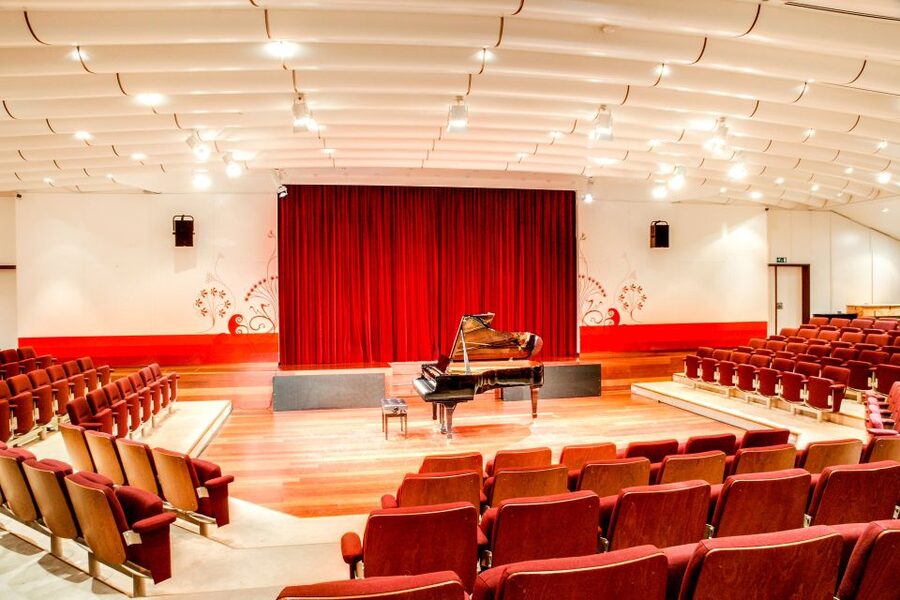
The museum has a neoclassical concert hall and may offer live concerts featuring world-class music. This can add a performance element to your visit, but admission to a concert is not part of the museum entry ticket.
That distinction matters when you budget. The $17 ticket gets you into the museum, not into a concert. If a performance fits your schedule, check its separate ticket information before assuming you can stay with the same admission.
A concert is best treated as an optional extra rather than a reason to buy the museum ticket. The collection itself provides plenty to do, and the sound clips already give you a listening component. But if you want to hear music performed in the museum’s neoclassical hall, it may be a worthwhile add-on.
Price, flexibility, and practical limits
At $17 per person, this is good value for a museum visit of roughly two hours, particularly because the audio content is included. The price is easier to justify for anyone interested in music, instruments, design, or cultural history. If you only plan to rush through the cases in 45 minutes, the value is less convincing.
The ticket offers reserve-now, pay-later flexibility, so you can hold your place without paying immediately. You can also cancel up to 24 hours in advance for a full refund. That is useful when you are organizing a Brussels day around weather, museum hours, or other timed plans.
The museum is wheelchair accessible. Oversize luggage is not allowed, so do not arrive with large bags. Flash photography is also prohibited. The restaurant is currently closed for renovation, which means you should not count on eating inside the museum.
Entry is available with an audio guide in English, Dutch, or French. The multimedia device is central to the visit, so take it at the entrance and use it rather than treating it as an optional extra.
Who will enjoy this museum most?
I would recommend the museum first to people who enjoy music, design, technology, or unusual objects. You do not need formal musical training, since the sound clips make the displays easier to grasp.
Families with older children may also find the listening format more engaging than a museum made up entirely of labels. Younger children may enjoy the sounds, but the collection still requires some reading and patience. The data provided does not specify a children’s program, so I would not choose it solely as a child-focused attraction.
The museum suits solo visitors and couples particularly well because you can set your own pace. You can listen to different clips, linger over a keyboard, or move quickly through a room without keeping up with a guide or group.
It is less suitable if you need a tightly scheduled, guided tour with constant explanation. There is no named live guide included. Your visit depends on the multilingual multimedia device and your own choices.
My advice for getting the most from the visit
Start with the building. The Old England facade and interior details are easy to miss if you hurry toward the displays. Then take the multimedia device and begin with the sections that match your interests.
Do not try to listen to every clip unless music is your main reason for visiting Brussels. Choose examples from each floor instead. Hear a European instrument, compare a keyboard, listen to a traditional instrument, and finish with something electronic. This gives you a clear sense of the museum’s full range without turning the visit into an audio marathon.
Keep the oldest preserved saxophone in mind as a target, but do not skip the less famous objects. The museum’s strength is the comparison between instruments from different places and periods. The individual highlights are memorable, but the wider collection explains why they matter.
Finally, check the concert information separately if you want live music. The museum visit and concert are connected by the building, but they are different purchases.
Should you book the Musical Instruments Museum?
Book it if you want a museum that lets you hear as well as see its collection. The four floors cover European, global, keyboard, and electronic instruments, while the nearly 300 clips make the displays more approachable. The Art Nouveau Old England building is a strong bonus.
Skip it if your Brussels schedule is packed with major paintings, or if you would only spend a short time inside. The museum rewards attention, and some instruments have no accompanying clip. For $17, it is a sound choice for music lovers and a worthwhile indoor stop for curious visitors who can spare about two hours.
FAQ
Where is the Musical Instruments Museum located?
The museum is on Brussels’ Mont des Arts, inside the Art Nouveau Old England building.
What does the entry ticket include?
The ticket includes entry to the Musical Instruments Museum and use of the included multimedia device with nearly 300 sound clips.
Is a concert included with museum admission?
No. Concerts in the museum’s neoclassical hall require a separate concert ticket.
How long is the ticket valid?
The ticket is valid for one day. Starting times depend on availability when you book.
Is an audio guide available in English?
Yes. The audio guide or multimedia content is available in English, Dutch, and French.
Can I cancel the booking?
Yes. You can cancel up to 24 hours in advance for a full refund.
Is the museum wheelchair accessible?
Yes. The museum is wheelchair accessible. Oversize luggage and flash photography are not allowed.
Just added around Belgium
- Ghent Running and Sightseeing Tour★ 5.0 · 3 reviews
- From Amsterdam: Private Sightseeing Tour to Bruges★ 5.0 · 3 reviews
- Private Tour – Bruges and Ghent, our fairytale cities★ 5.0 · 3 reviews
- Ghent Walking Tour – City Highlights and Beyond Tradition★ 4.5 · 3 reviews
- Bruxelles: Photoshoot Experience★ 4.4 · 3 reviews
- Private Day Trip from Brussels to Bruges★ 4.5 · 3 reviews
- Leuven: City Walk with Audio Guide in 7 Languages on your Phone★ 3.0 · 3 reviews
- Private Arrival Transfer from Brussels Airport to Bruges with Business car★ 5.0 · 3 reviews
Museums, compared.
Atomium Entry Ticket with Design Museum Ticket
Read our review →
Choco-Story Brussels: Chocolate Museum Entrance with Tasting
Read our review →
Choco-Story Chocolate Museum Guided Tour w/Tastings
Read our review →
2.5-Hour Chocolate Museum Visit with Workshop
Read our review →
The World of Banksy Museum Permanent Exhibition
Read our review →
Browse the lists this tour appears in