
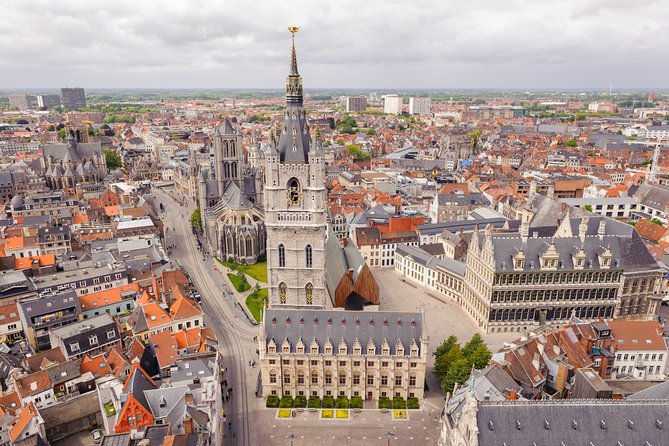
Reviewed · BRUSSELS TOURS
Private Tour – Bruges and Ghent, our fairytale cities
Ghent and Bruges give you two very different views of medieval Belgium in one long day. Ghent feels youthful and lived-in, with a university crowd, grand quays, and a real pub scene. Bruges feels more polished and storybook-like, with canals, steeples, and handsome squares.
I like the efficient route from Brussels and the chance to have a guide explain what you are seeing instead of simply dropping you in the old centers. The multilingual format is useful, too, especially if your group prefers English, French, or Spanish. The tradeoff is the pace: ten and a half hours covers a lot of ground, and Bruges can be crowded, leaving less time to linger than you might want.
Key points to know before booking
- Two Belgian cities in one day: See Ghent and Bruges without arranging separate train trips or city plans.
- A private group experience: Your group participates together, with a professional guide and air-conditioned transport.
- Ghent’s medieval core: Visit the belfry, Saint Bavo’s Cathedral, Graslei, Korenlei, Gravensteen, and Saint Nicholas’ Church.
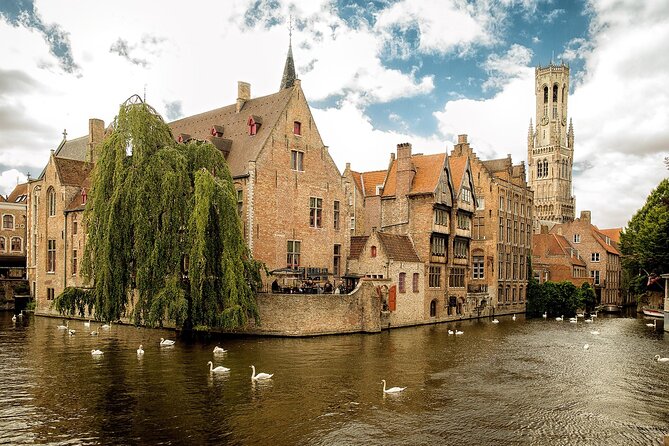
- Bruges beyond the canals: The route includes Burg Square, the Basilica of the Holy Blood, the Beguinage, Minnewater Lake, and the Church of Our Lady.
- Free time matters: You have time for food, shopping, and independent wandering, though the exact amount depends on the day.
- Canal boat ride is extra: The optional Bruges canal tour is not included and can only be arranged with your guide on the day.
One day, two very different medieval cities
The appeal here is simple: from a Brussels base, you can see the two Belgian cities most often linked with medieval architecture without spending your holiday working out train schedules and walking routes. The day begins at 9:00 a.m. and lasts about ten hours and thirty minutes.
That is a substantial outing. You should expect a full day of transport, guided sightseeing, and walking on historic streets. It is not the right choice if you want a slow morning or several hours in one museum, but it works well if your Belgium visit is short and you want a broad first look.
The tour is described as private, so your own group takes part in the activity. At the same time, the transport is by a large, comfortable tourism coach, and one Spanish-language account describes traveling by private bus with the whole tour. Ask your guide how the day is organized if having a small vehicle is important to you.
A few more Brussels half-days to weigh up
- Brussels: Atomium Entry Ticket with Design Museum Ticket
★ 4.4 · 9,254 reviews - From Brussels: Guided Day Trip to Bruges and Ghent
★ 4.6 · 8,353 reviews - From Brussels: Bruges & Ghent Day Tour – 2 Fairytale Cities
★ 4.7 · 8,242 reviews
Why Ghent makes a strong first stop
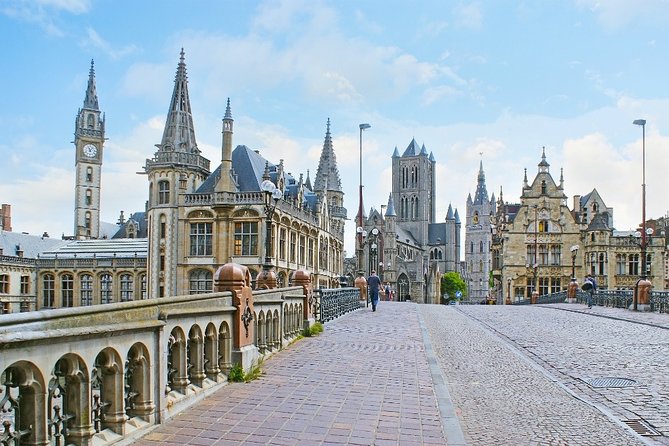
Ghent is often overshadowed by Bruges, but I think it deserves serious attention. Its center has the same medieval drama, yet it feels less like a preserved stage set. A major university gives the city a younger tone, and its pubs and bars help keep the old streets active after the sightseeing groups leave.
The first stop is the 91-meter Belfry of Ghent, one of the city’s three famous medieval towers. The other two belong to Saint Bavo’s Cathedral and Saint Nicholas’ Church. Together, they create the unmistakable skyline you see across the historic center.
The belfry is worth understanding even if you do not go inside. It represents the civic power of medieval Ghent, while the nearby churches show the influence of religion and trade. The tour lists the stop as free, but admission to a tower interior is not specifically included, so ask your guide before assuming you will climb it.
From there, you reach Graslei and Korenlei, two quays along the Leie River. These waterfront streets are among Ghent’s most memorable places, lined with historic façades and framed by the water. The quays are also a good place to pause and get your bearings before the walking route continues.
I like this part of the itinerary because it gives you a sense of how Ghent grew around trade and transport. You are not just looking at attractive buildings. You are seeing the old commercial heart of the city.
Saint Bavo’s Cathedral and the Ghent Altarpiece
Saint Bavo’s Cathedral is a towering Gothic church, rising about 89 meters. It is the seat of the Diocese of Ghent and is best known for housing the Ghent Altarpiece, one of Belgium’s major works of religious art.
The cathedral stop is listed with no separate admission charge. There is one important timing note: access to the Mystic Lamb at Saint Bavo’s Cathedral is not possible on Sundays. If seeing the altarpiece is high on your list, avoid Sunday or confirm the arrangement before booking.
This is one of the moments when a local guide adds real value. Without context, the cathedral can become another grand church on a packed sightseeing day. With an explanation of the building, its patron saint, and the altarpiece, you have a better chance of remembering what makes this particular church important.
Next comes Gravensteen, the Castle of the Counts. The current castle dates to 1180 and served as the residence of the Counts of Flanders until 1353. Its later uses were less romantic: court, prison, mint, and cotton factory.
That sequence tells you something useful about European monuments. Buildings change with the needs of a city. Gravensteen was not simply preserved as a medieval ornament, and its later life adds a practical edge to the castle story.
The itinerary lists Gravensteen as a stop with free admission, but it does not promise an interior visit. I would treat this as an exterior and orientation stop unless your guide confirms otherwise. If you want a full castle visit, ask how much time is available and if an entrance ticket is required.
Three Ghent landmarks in one compact walk
Saint Nicholas’ Church is another of Ghent’s oldest major landmarks. Construction began in the early 13th century, replacing an earlier Romanesque church. Its position near the commercial center helps explain why it appears alongside the belfry and the quays.
The listed visit lasts about ten minutes. That is enough for a look at the exterior and perhaps a brief interior stop, but not enough for a long architectural study. Keep your expectations realistic. This is a city introduction, not an art-history seminar at every building.
The Ghent portion works best if you focus on the relationship between the landmarks. The belfry represents city government, Saint Bavo’s represents religious authority, Saint Nicholas’ reflects the old merchant district, and the quays show the role of river commerce. The guide’s commentary should help connect those pieces.
The route also gives you a taste of Ghent’s atmosphere. You get monumental churches and a castle, but you are still in a working university city. That mix is what separates Ghent from the more tightly preserved feel of Bruges.
Same city, a completely different way to spend a day:
- Choco-Story Brussels: Chocolate Museum Entrance with Tasting
★ 4.3 · 4,883 reviews - Bruges and Ghent – Belgium’s Fairytale Cities – from Brussels
★ 4.0 · 4,809 reviews - Brussels: Hop-On Hop-Off Bus Tour
★ 4.0 · 4,016 reviews - Brussels: Guided Walking Tour
★ 4.6 · 3,560 reviews
Arriving in Bruges, where canals shape the day
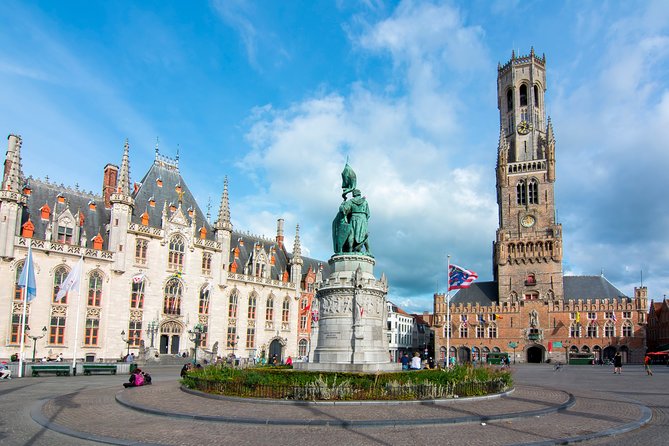
Bruges shifts the mood. Its historic center is compact, photogenic, and filled with the features you probably came to Belgium hoping to see: canals, pointed roofs, old squares, and tall brick churches.
The Basilica of the Holy Blood sits in the heart of the city. It is a Roman Catholic basilica that houses a relic traditionally identified as the Holy Blood, said to have been brought from the Holy Land by Thierry of Alsace. The stop lasts about ten minutes.
That is a short visit, but the basilica’s location makes it an easy introduction to Bruges. You are quickly inside the city’s main historic area, where the streets and squares are close together. As with the other church stops, the time is better suited to a concise visit than a slow examination.
The Church of Our Lady brings you to one of Bruges’ most recognizable towers. It rises 115.6 meters, making it the tallest structure in the city and the second-tallest brickwork tower in the world.
The stop is scheduled for about fifteen minutes. Look up before moving on. The tower is the obvious feature, but the church also illustrates how brick construction became a defining part of Bruges’ appearance. If you are interested in church interiors or artworks, ask the guide how much of the visit is possible on your date.
Burg Square and the political heart of Bruges
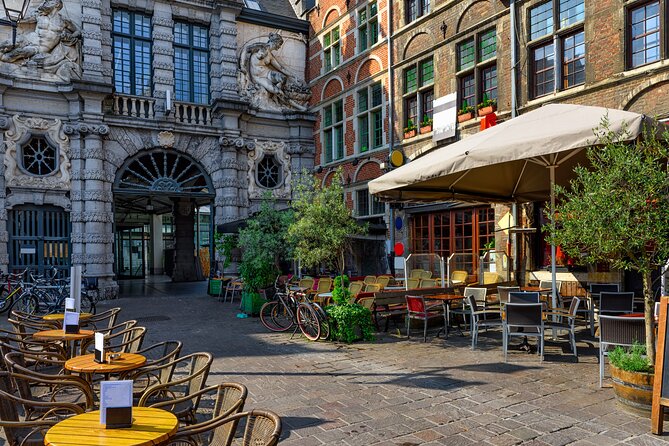
Bruges City Hall sits on Burg Square, one of the oldest city halls in the Netherlands region. The square occupies the site of the former fortified castle and remains the city’s political center.
You have about ten minutes at City Hall and twenty minutes at Burg Square. That gives you a useful amount of time to examine the buildings and take photographs, though it may not allow an interior visit. The square is especially rewarding if you like architecture because several periods and styles meet in a small space.
I would use this part of the day to listen closely to the guide rather than rush after photographs. The square is easier to appreciate once you understand its civic role. It is not merely a pretty open area. It marks the place where Bruges’ government and public life took shape.
The route through Bruges is designed around visual highlights rather than a single long museum visit. That is a sensible choice for a one-day tour, but it also means you should decide in advance what you most want to see. If you stop for every photograph, you may have less time for lunch, shopping, or the canal boat.
Minnewater Lake and the Beguinage
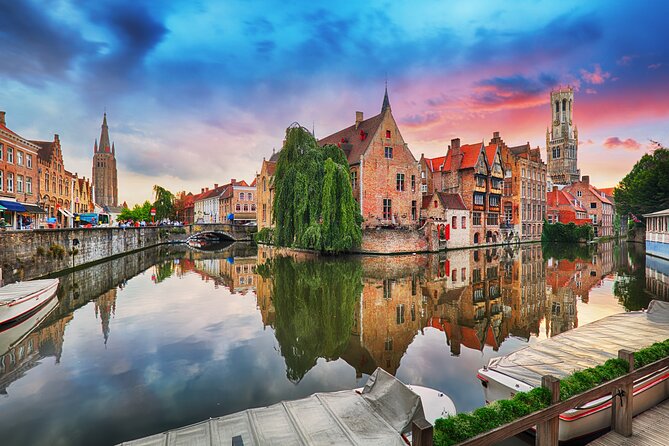
Minnewater Lake is known as the Lake of Love, and the nearby Lovers’ Bridge gives the area its romantic reputation. It is a quieter change of pace from the central squares, with water, paths, and an atmosphere that suits a short pause.
The scheduled stop is fifteen minutes. That is enough to enjoy the setting and take pictures, but it is not a long walk around the lake. If you want a peaceful moment during a busy day, this is one of the better places to use it.
The Princely Beguinage Ten Wijngaarde offers a different side of Bruges. It is the city’s only preserved beguinage. Beguines no longer live there, and since 1927 the site has functioned as a Benedictine convent founded by Canon Hoornaert.
You have about ten minutes here. That is brief, so think of the stop as an introduction to the enclosed community and its setting rather than a detailed visit. The beguinage is valuable because it adds social and religious history to a day otherwise dominated by towers, squares, and canals.
These stops also break up the stone-heavy center. Minnewater and the Beguinage give you room to slow down, even if only for a few minutes. Comfortable shoes are essential throughout the day, and especially on a route that combines both cities.
The optional Bruges canal cruise
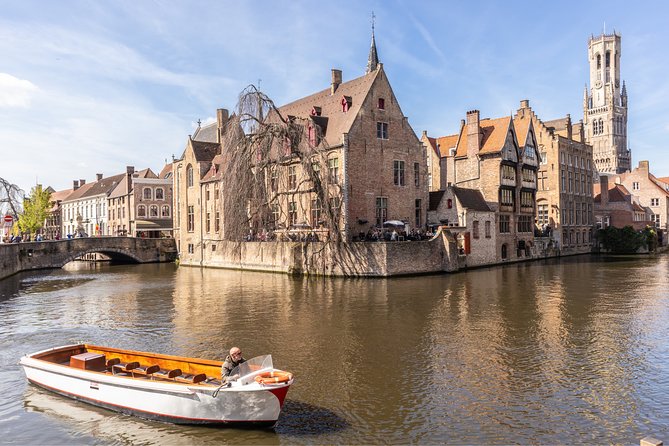
The final part of the day includes time in Bruges’ historic center and the option to take a canal boat. The canal ride lasts about thirty minutes and is not included in the tour price.
You cannot book this boat trip in advance through the operator. You arrange it with your guide on the day. That makes the decision flexible, but it also means you should not build your entire plan around a guaranteed boat departure.
I think the canal ride is a useful extra if you want to see Bruges from a lower, slower viewpoint. The streets show you façades and squares at walking level, while the water offers a different angle on the city. Still, the extra cost and available time matter, especially if you also want lunch or shopping.
Free time is provided on excursions, and the operator says it can range from forty-five minutes to three hours depending on the outing. For this particular day, the exact amount should be confirmed with your guide. One Spanish-language account specifically notes time for eating, shopping, and independent sightseeing, but you should not assume the longest free-time window.
What the $57 price means
At $57, this is an inexpensive way to connect Brussels with two of Belgium’s top day-trip cities. The price includes a professional multilingual guide and air-conditioned transport. It does not include food, drinks, or the Bruges canal cruise.
The value is strongest if you want convenience. You avoid arranging two separate rail journeys, planning city routes, and keeping track of departure times. You also get commentary in English, French, or Spanish, which can make the architecture and local history easier to follow.
The price is less of a bargain if you prefer to set your own pace. You are paying for transport and guidance, not for a long, relaxed stay in either city. Many stops are short, and admission to major interiors is not clearly included. Ask exactly which sites you will enter before booking if museum access is your main goal.
Group discounts may improve the price for larger parties. Since the activity is private, it may suit families or friends who want to move together rather than join a public walking group. Confirm the discount terms for your group size.
Practical details for a smoother day
The meeting time is 9:00 a.m. The exact meeting point is shown on your voucher, and hotel pickup is not offered. The tour is near public transportation, so allow extra time to reach the starting point.
If you are running late, the operator can wait five minutes if you call ahead at +32 2 513 77 44. That is a very small window, so do not treat it as permission to arrive late.
Wear shoes made for several hours of walking. The tour is not recommended for people with disabilities or those who have trouble walking, and a moderate level of fitness is required. Bring weather protection after checking the forecast: a raincoat, poncho, or umbrella can help, since the tour runs in rain unless extreme conditions such as floods or severe storms make it unsafe.
Lunch and drinks are on your own. Bring cash, as it is advised throughout the day, and carry identification even though there are no border checks once you are inside the Schengen Area. Luggage is allowed on the large, comfortable tourism coaches, but pets are not permitted.
Tours are offered in English, French, or Spanish. The guide names praised in the supplied feedback include Stephan and Andrea. Andrea was noted for making the trip pleasant and for recommending places to eat and things to see, while Stephan received especially warm praise for guiding the Ghent and Bruges visit. Guide assignments can change, so treat those names as examples rather than a guarantee.
Who should book this Ghent and Bruges tour?
I would choose this tour if you have limited time in Brussels, want both cities in one day, and value having the route explained as you go. It is particularly useful for first-time visitors who want the major sights without handling the transport themselves.
It also suits families and private groups that want to stay together, and people who need a choice of English, French, or Spanish. The air-conditioned coach is helpful on a long day, especially in poor weather.
I would hesitate if you want deep visits inside the cathedral, castle, or city hall. I would also think twice if crowds bother you. Bruges can be very busy, and one account specifically found that heavy crowds reduced the enjoyment of the city. Going on a quieter date may help, but the tour cannot control how busy Bruges will be.
The cancellation policy is forgiving if your plans change: cancel at least 24 hours before the start for a full refund. Changes or cancellations inside that window are not accepted and are not refunded. A date change may be possible if another date is available.
Should you book it?
Book this tour if your priority is efficient coverage of Ghent and Bruges from Brussels. You will see the defining towers, churches, quays, squares, castle, lake, beguinage, and canals, with free time added to a guided route.
Skip it if your ideal day means lingering over one church, taking a long canal walk, or exploring Bruges at your own pace. At $57, the tour offers strong practical value, but the cost is measured in flexibility. For a first look at both cities, that is a fair trade.
FAQ
What cities does the tour visit?
The tour visits Ghent and Bruges, departing from Brussels.
How long does the tour last?
The experience lasts approximately ten hours and thirty minutes.
What time does the tour start?
The stated start time is 9:00 a.m.
Is hotel pickup included?
No. Hotel pickup is not offered. Your meeting point is listed on your voucher.
Which languages are available?
The tour can be conducted in English, French, or Spanish.
Is transportation included?
Yes. The tour includes an air-conditioned vehicle, along with a professional multilingual guide.
Is lunch included?
No. Food and drinks are not included.
Is the Bruges canal tour included?
No. The canal ride is optional, lasts about thirty minutes, and costs extra. It can only be booked with your guide on the day of the tour.
Can I bring luggage?
Yes. Luggage is allowed on the large tourism coaches.
Can I stay in Bruges after the tour?
This is possible most of the time, but you must discuss and confirm it with your guide on the day.
Can I cancel for a full refund?
Yes, if you cancel at least 24 hours before the experience start time. Cancellations within 24 hours are not refunded.
What should I bring?
Bring comfortable walking shoes, weather protection suited to the forecast, cash, and identification. Pets are not allowed on the coach.
Just added around Brussels
- Bruxelles: Photoshoot Experience★ 4.4 · 3 reviews
- Private Day Trip from Brussels to Bruges★ 4.5 · 3 reviews
- Leuven: City Walk with Audio Guide in 7 Languages on your Phone★ 3.0 · 3 reviews
- Private Arrival Transfer from Brussels Airport to Bruges with Business car★ 5.0 · 3 reviews
- Brussels: Express Walk with a Local in 60 minutes★ 5.0 · 3 reviews
- 2 Hour Beer Tasting with Local Beer Sommelier in Brussels★ 5.0 · 3 reviews
- Floating in the clouds★ 5.0 · 3 reviews
- Discover the secrets of Brussels while playing★ 5.0 · 3 reviews
Brussels Tours, compared.
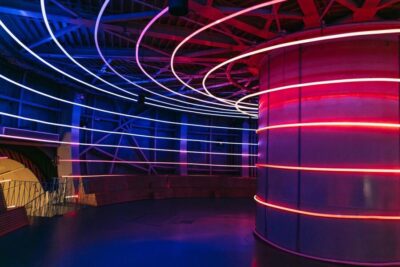
Atomium Entry Ticket with Design Museum Ticket
Read our review →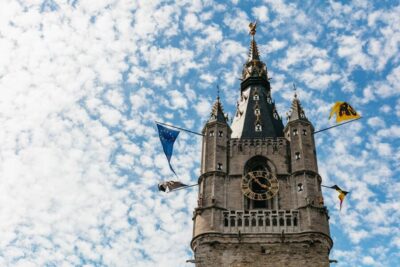
From Brussels: Guided Day Trip to Bruges and Ghent
Read our review →
From Brussels: Bruges & Ghent Day Tour – 2 Fairytale Cities
Read our review →
Choco-Story Brussels: Chocolate Museum Entrance with Tasting
Read our review →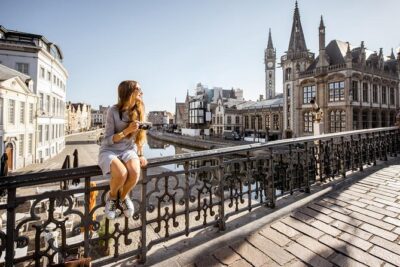
Bruges and Ghent – Belgium’s Fairytale Cities – from Brussels
Read our review →
From Brussels: Luxembourg Tour with Dinant Visit
Read our review →
Hungry Mary’s Famous Beer and Chocolate Tour in Brussels
Read our review →Browse the lists this tour appears in