
Reviewed · BRUSSELS TOURS
Brussels: Autoworld Museum Ticket
Autoworld is a large, atmospheric automobile museum housed in Brussels’ 1880 exhibition hall, where more than 250 cars, motorcycles, trucks, and horse-drawn coaches trace the motorcar’s rise from the late 19th century to the modern age. The setting gives the collection room to breathe, and the old vehicles make the automobile’s early years feel surprisingly close.
I like the sheer range, from elegant early cars and old coaches to racing machines and famous European marques. I also like the freedom to walk at your own pace, with no group schedule pushing you along. The main drawback is that the layout can feel scattered rather than strictly chronological, and the hall may become hot on warm days.
Key points to know before you go
- 250-plus vehicles: See cars, motorcycles, trucks, and horse-drawn coaches from different eras.
- A landmark setting: The museum occupies a grand building built in 1880 for Belgium’s 50th anniversary.
- Self-guided pacing: Plan on roughly two hours for a good look, though devoted enthusiasts may stay longer.
- Changing exhibitions: Temporary shows add a new focus, with past themes including Porsche, Bugatti, Belgian racing, and Italian cars.
- Audio guide included: An audio guide is available in English, Dutch, and French.
- Easy planning: The ticket is valid for one day, offers free cancellation up to 24 hours ahead, and supports reserve now, pay later booking.
Why Autoworld belongs on a Brussels itinerary
Brussels has plenty of grand squares, art museums, and chocolate shops. Autoworld offers something different: a visual account of how transport changed daily life, industry, design, and popular culture.
You do not need to be a dedicated motor enthusiast to find something worthwhile here. The earliest cars look almost like horseless carriages because, in many ways, that is what they were. Later models show how manufacturers gradually moved toward enclosed cabins, more recognizable body shapes, stronger engines, and the polished designs associated with the 20th century.
The museum also works well for mixed-interest groups. A keen car fan can study marques and engineering details, while someone less interested in engines can focus on styling, social history, luxury interiors, and the odd shapes of early vehicles. Children may appreciate the size and variety of the machines, although the museum is more about looking than hands-on activities.
One practical point: this is an admission ticket, not a guided tour. You enter on your own, use the available audio guide if you wish, and set your own pace. That makes it flexible, but it also means you should not expect a guide to explain every vehicle or organize the collection for you.
More Museums in Brussels
- Brussels: Atomium Entry Ticket with Design Museum Ticket
★ 4.4 · 9,254 reviews - Choco-Story Brussels: Chocolate Museum Entrance with Tasting
★ 4.3 · 4,883 reviews - Brussels: 2.5-Hour Chocolate Museum Visit with Workshop
★ 4.6 · 1,263 reviews
The 1880 hall gives the collection its character
The building is not a plain modern gallery. It was built in 1880 to mark the 50th anniversary of the Kingdom of Belgium, and its broad exhibition space has a long link with transport displays.
From 1902 to 1936, the hall hosted motorcar and motorbike exhibitions. Since 1986, it has housed a major part of Ghislain Mahy’s famous collection. That background matters because the museum feels like an old-school collection in the best sense: there is room for quantity, unusual examples, and vehicles that show how broad the automobile world has always been.
The architecture also changes how you see the cars. Instead of being packed into small rooms, many vehicles sit in a large historic setting. That helps you compare the changing size, height, shape, and decoration of cars across generations.
The space is extensive, so wear comfortable shoes. One practical concern raised by the collection’s layout is the presence of steep stairs in parts of the museum. The attraction is wheelchair accessible, but if you have mobility concerns, it is sensible to confirm the current route and accessible facilities before arrival.
Start with the earliest cars and coaches
The older vehicles are among the most rewarding parts of the visit. They make the first decades of motoring look experimental and uncertain, rather than inevitable.
You will see early automobiles from the late 19th century and the beginning of the 20th century, along with coaches that show the close connection between horse-drawn transport and early motor design. These vehicles help explain why early cars often have high seating positions, exposed mechanical parts, carriage-like bodies, and delicate-looking wheels.
I find this section especially useful for visitors who know modern cars but have little sense of where they came from. The automobile did not appear fully formed. It developed through trial, fashion, engineering changes, and the practical need to replace or improve older forms of transport.
The coaches add an important layer. Without them, the display could become a simple parade of old cars. Seeing them beside early motor vehicles makes the change in transport easier to understand. You can spot which features belonged to carriage design and which were new solutions created for motor travel.
Do not rush past the oldest exhibits simply because newer sports cars look more glamorous. The early machines provide the story’s foundation, and they are often the vehicles that make the museum feel distinctive.
Move through motorcycles, trucks, and everyday transport
Autoworld is not limited to grand touring cars and luxury models. Motorcycles, trucks, and other forms of road transport broaden the collection and show how engines served more than private travel.
The motorcycle displays are useful for anyone interested in compact engineering and changing design. Bikes occupy a different place in transport history from cars, with less bodywork and a more direct connection between rider and machine. They also give the collection visual variety after rows of four-wheeled vehicles.
Trucks add another practical angle. Cars are often displayed as objects of style or status, but commercial vehicles show how motor transport supported work and trade. The museum’s range helps you see the automobile industry as more than a story of luxury brands and racing victories.
The collection is strongest when you treat it as a broad survey. Some people will arrive hoping to see one specific model and find that it is not present. The displays focus heavily on European motoring, so the selection may feel less complete if you are looking for famous Japanese, American, or global models.
That is not necessarily a flaw, but it is worth knowing before you buy. Autoworld presents a substantial collection with a strong European identity. It is not a catalog of every important car ever made.
Same city, a completely different way to spend a day:
- From Brussels: Guided Day Trip to Bruges and Ghent
★ 4.6 · 8,353 reviews - From Brussels: Bruges & Ghent Day Tour – 2 Fairytale Cities
★ 4.7 · 8,242 reviews - Bruges and Ghent – Belgium’s Fairytale Cities – from Brussels
★ 4.0 · 4,809 reviews - Brussels: Hop-On Hop-Off Bus Tour
★ 4.0 · 4,016 reviews
The permanent collection rewards a slow, flexible walk
The permanent display contains more than 250 vehicles, covering cars, motorcycles, trucks, and coaches. The scale gives you plenty to see for the ticket price, but it also creates the museum’s main organizational weakness.
Some sections are arranged by themes, brands, or types of vehicle rather than in one clear chronological line. If you expect to walk from the first car in history to the newest model in a perfectly ordered sequence, you may find the route confusing.
I suggest approaching the museum as a collection to browse rather than a strict timeline. First, get a general sense of the hall. Then return to the vehicles that catch your attention. This works particularly well because the ticket is valid for one day and there is no timed tour to follow.
A careful visit takes around two hours. That estimate gives you enough time to examine many vehicles and read or listen to the available information without treating every display as a quick photo stop. If you have a serious interest in cars, design, or racing, you could easily spend longer.
The lack of interactive features may matter to families. The museum is mainly a visual collection, not a workshop where you can test brakes, inspect an engine block, or operate machinery. If you need hands-on exhibits to keep younger children engaged, plan a shorter visit or pair it with another Brussels activity.
Temporary exhibitions keep repeat visits fresh
Autoworld is described as a museum on the move because it presents temporary exhibitions throughout the year. These displays take a closer look at particular automotive themes and can change the balance of a visit.
Major exhibitions are organized every two years around a specific aspect of performance or design. Past subjects have included Bugatti’s centenary, Belgian racing legends, Ferdinand Porsche, heritage, Porsche’s 75th anniversary, Italian car passion, and Big in Japan.
This changing program is one of the best reasons to check the current exhibition before booking. A temporary display can turn a general museum visit into a focused event for fans of one manufacturer, country, racing period, or design movement.
It also explains why the exact selection can change between visits. A returning visitor may find that vehicles have been replaced or moved, so the museum does not always feel identical from one year to the next.
The temporary exhibition is included with admission according to the ticket information. Still, the current theme is not specified here, so check it before you go if a particular marque or period is important to you. Promotional photographs may show cars from an earlier exhibition that are no longer on display.
The audio guide helps, but check what you receive
An audio guide is included in English, Dutch, and French. That is useful because a large collection can otherwise become a sequence of attractive vehicles without much explanation.
Use it selectively rather than trying to listen to every stop. Pick the early cars, unusual motorcycles, major racing vehicles, and displays connected to the temporary exhibition. That approach gives you context without turning a relaxed visit into a long listening session.
There is one practical wrinkle. Some ticket holders have reported not receiving an audio guide, so confirm the arrangement at the entrance. The information for this experience lists the guide as included, but availability or collection procedures may vary.
The host or greeter languages are English, Dutch, and French. Since no personal guide is included, the audio option is especially valuable if you want more than labels and photographs.
Is $21 good value for one day?
At $21 per person, the ticket is fairly priced if you have even a moderate interest in vehicles. You get access to more than 250 objects, the permanent collection, and the themed temporary exhibition, with the option to spend a full day if you want.
Most people will probably stay around two hours rather than the entire day. That still compares well with the price of many major city attractions, especially because you are not locked into a short guided slot.
The value depends on your expectations. If you want a polished, highly interactive science center with a tightly ordered story, the ticket may feel less satisfying. If you enjoy seeing rare, old, unusual, or beautifully designed vehicles in a grand hall, the range makes the price easier to justify.
I would also factor in the museum’s location in the Brussels Capital Region and the weather. The museum is indoors, making it a useful rainy-day stop. But access can become inconvenient during transport disruptions, and a long walk in heavy rain is not an ideal backup plan. Check your route before setting out.
Practical details that can shape your visit
Autoworld is at 1000 Brussels, Belgium. The ticket is valid for one day, with starting times subject to availability. Since the exact hours are not provided here, check the available entry information for your chosen date.
You can cancel up to 24 hours in advance for a full refund, and reserve now while paying later. That flexibility is helpful if you are building a Brussels itinerary around uncertain weather or transport plans.
The museum is wheelchair accessible. At the same time, steep stairs have been noted within the building, so ask staff about the most suitable route if needed.
Comfort is another consideration. One part of the collection can become hot, with limited airflow on warm days. A cooler season or a morning visit may be more comfortable, although no fixed best time is provided.
Give yourself room for an unhurried visit. The vehicles are displayed for close viewing, and the pleasure comes from noticing details: body shapes, lamps, wheels, dashboards, coachwork, and the contrast between working vehicles and prestige cars.
Who will enjoy Autoworld most?
You should strongly consider this museum if you like:
- Classic cars and early motoring
- European automotive design
- Motorcycles and historic coaches
- Racing cars or performance themes
- Museums where you can set your own pace
- Indoor attractions for a rainy Brussels day
- Temporary exhibitions focused on one automotive subject
It is also a good choice for couples or families with different levels of car interest because the collection covers several types of transport. Someone who does not know car models can still appreciate the design changes and the age of the machines.
You may want to skip it if you dislike vehicle museums, need interactive displays, or expect a complete worldwide survey of automotive history. The collection is especially strong in European cars, and the layout may not give you a clean chronological journey.
Should you book the Autoworld ticket?
Book it if you want a substantial, flexible museum visit with more than 250 vehicles and a good chance of seeing something unexpected. I especially recommend it for anyone interested in early cars, European marques, motorcycles, coaches, or changing exhibitions such as Porsche, Bugatti, Belgian racing, or Italian design.
Before paying, check the current temporary exhibition and your route to the museum. If the theme appeals to you, the $21 ticket becomes easier to justify. If you are only mildly curious, plan for about two hours and treat Autoworld as a focused Brussels stop rather than an all-day attraction.
The collection’s biggest strengths are its scale, historic setting, and freedom to explore at your own speed. Its main limits are the uneven layout, limited interactive content, occasional heat, and strong European focus. For most car fans, those drawbacks are manageable. For everyone else, the decision rests on whether you enjoy looking closely at machines and seeing how everyday transport changed over time.
FAQ
Where is Autoworld Museum located?
Autoworld is located at 1000 Brussels in the Brussels Capital Region of Belgium.
How long is the Autoworld ticket valid?
The admission ticket is valid for one day.
How many vehicles are displayed at Autoworld?
The museum has more than 250 vehicles, including cars, trucks, motorcycles, and coaches.
Is a tour guide included?
No personal tour guide is included. An audio guide is included in Dutch, English, and French.
Is Autoworld wheelchair accessible?
Yes, the museum is wheelchair accessible.
What languages are available for the audio guide?
The audio guide is available in Dutch, English, and French.
Does admission include temporary exhibitions?
The ticket includes admission to Autoworld, including its themed temporary exhibition program.
Can I cancel the ticket for a refund?
Yes. You can cancel up to 24 hours in advance for a full refund.
Just added around Brussels
- Private Tour – Bruges and Ghent, our fairytale cities★ 5.0 · 3 reviews
- Bruxelles: Photoshoot Experience★ 4.4 · 3 reviews
- Private Day Trip from Brussels to Bruges★ 4.5 · 3 reviews
- Private Arrival Transfer from Brussels Airport to Bruges with Business car★ 5.0 · 3 reviews
- Leuven: City Walk with Audio Guide in 7 Languages on your Phone★ 3.0 · 3 reviews
- Brussels: Express Walk with a Local in 60 minutes★ 5.0 · 3 reviews
- 2 Hour Beer Tasting with Local Beer Sommelier in Brussels★ 5.0 · 3 reviews
- Floating in the clouds★ 5.0 · 3 reviews
Brussels Tours, compared.
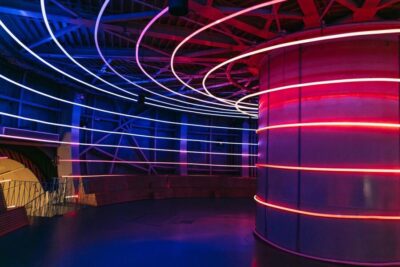
Atomium Entry Ticket with Design Museum Ticket
Read our review →
From Brussels: Guided Day Trip to Bruges and Ghent
Read our review →
From Brussels: Bruges & Ghent Day Tour – 2 Fairytale Cities
Read our review →
Choco-Story Brussels: Chocolate Museum Entrance with Tasting
Read our review →
Bruges and Ghent – Belgium’s Fairytale Cities – from Brussels
Read our review →
From Brussels: Luxembourg Tour with Dinant Visit
Read our review →
Hungry Mary’s Famous Beer and Chocolate Tour in Brussels
Read our review →Browse the lists this tour appears in