
Reviewed · MUSEUMS
Mons : the Mons Memorial Museum
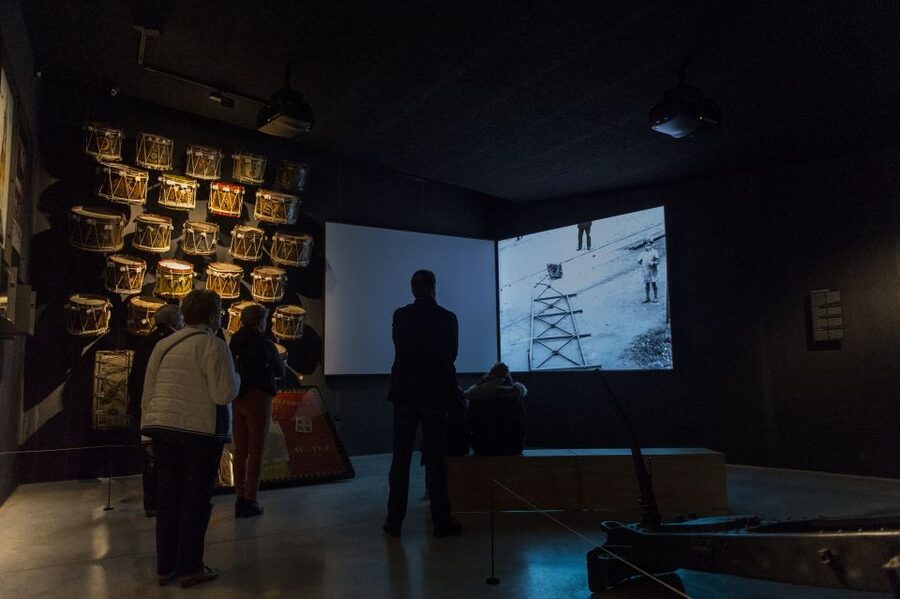
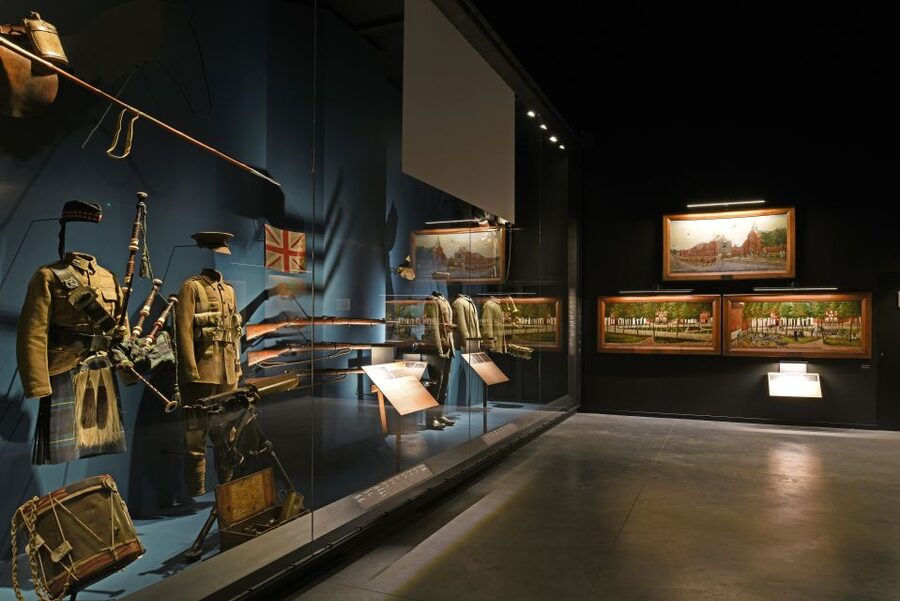
The most powerful part of Mons Memorial Museum is its focus on ordinary lives, not only battles and generals. You move from medieval warfare to World War I and World War II while meeting the soldiers, families, and civilians caught inside those conflicts. The preserved bread ration and the first one-tonne German bomb from 1917 make the past feel unusually close.
I like the personal material here: diaries, postcards, letters to sweethearts, and recorded interviews with veterans. I also like the broad time span, since it helps you see how weapons, armies, and civilian life changed over the centuries. The main drawback is that your ticket includes no guided tour or audio guide, so visitors who want a steady spoken explanation may need to read carefully and set their own pace.
Key points to know before you go
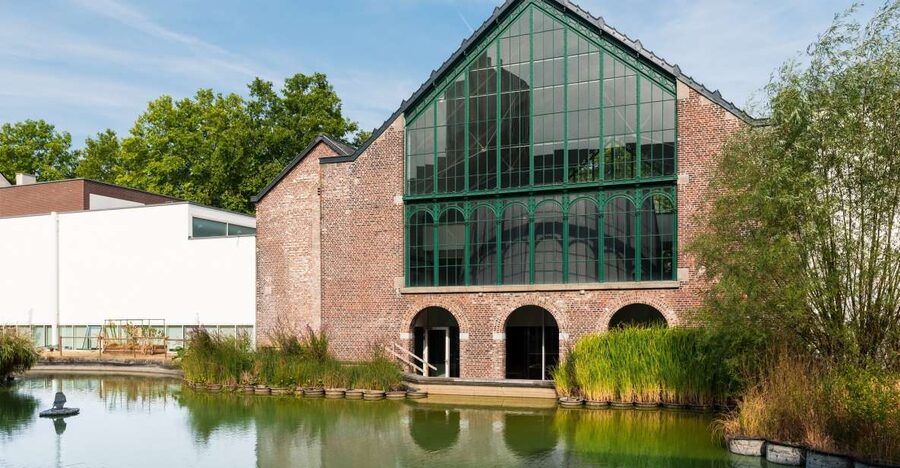
- Follow war from the Middle Ages to World War II: The museum places modern conflicts in a longer historical frame.
- See the human side of military life: Diaries, letters, veteran interviews, and everyday objects give the displays a personal voice.
- Look for the 1917 German bomb: This one-tonne artifact is one of the museum’s most striking objects.
- Notice the preserved bread ration: A small piece of food says a great deal about supply, survival, and daily routine.
- Plan for a self-guided visit: Admission is included, but a guided tour and audio guide are not.
- Expect a multilingual experience: Host support is available in French, English, and Dutch, and the museum is wheelchair accessible.
A museum about people caught in war
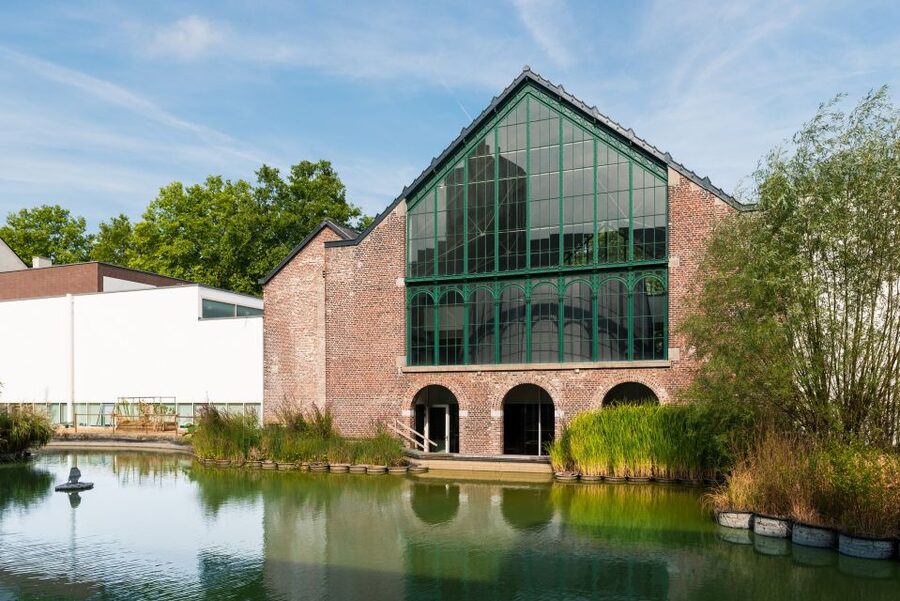
Mons Memorial Museum asks a useful question: what does war do to people who are not making the decisions? Its displays look at the relationship between military forces and civilian populations, so the visit is not limited to uniforms, weapons, and dates.
You begin with conflict in the Middle Ages, then move forward through later wars until World War II. This long view matters because it shows war as a repeated human problem rather than a single event. You can compare older weapons and military systems with the machinery of the twentieth century, while keeping an eye on the people who had to live with the results.
I would not treat this as a quick room of military hardware. The objects matter, but the museum keeps returning to daily life. What did a soldier eat? How did he communicate with home? What happened to civilians under occupation? How did men and women adapt when normal life was interrupted?
Those questions give the visit its shape. You are asked to consider the person behind the weapon and the family behind the letter. That approach suits visitors who want history explained through human choices and private experiences, not only through campaigns and battle maps.
More museums in Belgium:
- Brussels: Atomium Entry Ticket with Design Museum Ticket
★ 4.4 · 9,254 reviews - Choco-Story Brussels: Chocolate Museum Entrance with Tasting
★ 4.3 · 4,883 reviews - Bruges: Choco-Story Chocolate Museum Guided Tour w/Tastings
★ 4.2 · 1,379 reviews
Starting with medieval warfare
The opening historical material reaches back to the Middle Ages. This section gives you a useful starting point, especially if your knowledge of European military history begins with the world wars.
The medieval displays show how destructive war could be long before aircraft and heavy artillery. The details provided for this visit do not identify every object or battle in this section, so I would approach it as a broad introduction rather than expect a full medieval military collection.
Its value is the contrast. Early warfare and modern warfare used different tools, but both affected civilians, communities, and the men sent to fight. The museum’s larger question begins here: how do military needs shape everyday life?
Take your time with the written material. Since there is no audio guide included, the labels do more of the teaching work. If you prefer a fast, visual museum, this first section may feel slower. If you like seeing how one period leads into another, it gives the rest of the visit a useful frame.
Soldiers at the center of the story
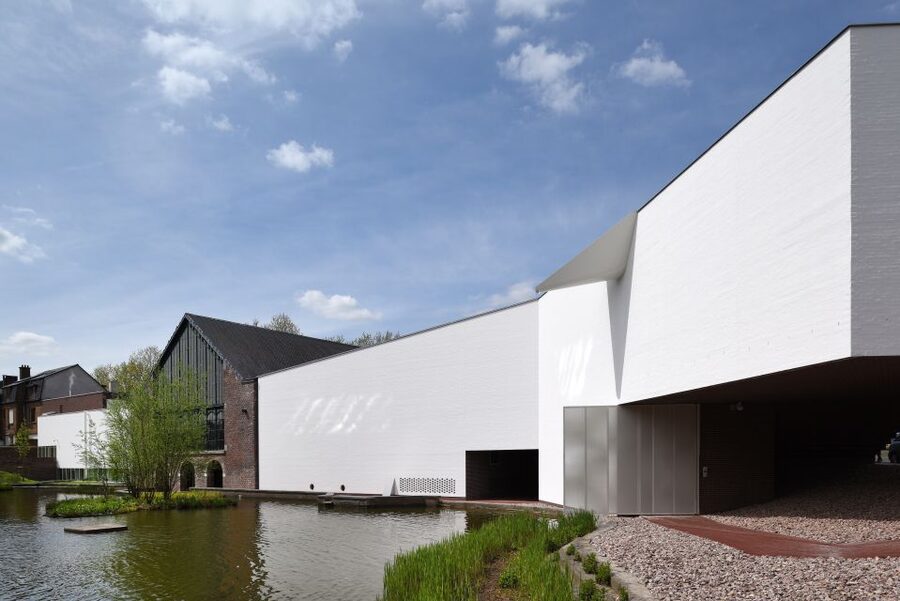
As you move into more recent conflicts, the focus shifts toward the day-to-day life of soldiers far from home. This is where the museum becomes most personal.
A weapon can tell you about technology, but a diary tells you about fear, boredom, hope, and routine. The collection of soldiers’ diaries, postcards, and letters to loved ones helps you picture the emotional distance between the front and home. These are not grand public speeches. They are private attempts to stay connected.
The letters are especially important because they show how war continued through ordinary communication. A message to a sweetheart or family member could carry news, reassurance, and silence between the lines. You may find yourself paying as much attention to what is not said as to the written words.
Recorded interviews with veterans add another layer. Their voices bring memory into the museum, though the supplied information does not identify the interview subjects or say how long each recording lasts. Plan to watch the material if it is available during your visit, since it provides a different experience from reading a label or examining an object.
The preserved bread ration and the one-tonne bomb
Two objects deserve special attention because they connect large events to practical details.
One is a piece of a soldier’s bread ration preserved in a bottle. It is a modest object, but that is exactly why it works. Food tells you about supply lines, military planning, scarcity, and the physical needs of a person in uniform. A preserved ration can say more about daily survival than a polished weapon display.
The other is the first one-tonne German bomb from 1917. Its size gives you an immediate sense of the destructive force available during World War I. The object is hard to ignore, but the museum’s wider approach keeps it from becoming a simple spectacle. The important question is not only how large the bomb was, but what such weapons meant for soldiers, towns, and civilians.
I like the pairing of these two artifacts. One is small and tied to nourishment. The other is huge and built for destruction. Together, they show the two sides of military life: the basic needs of the individual and the industrial scale of modern war.
Same city, a completely different way to spend a day:
- From Brussels: Guided Day Trip to Bruges and Ghent
★ 4.6 · 8,353 reviews - From Brussels: Bruges & Ghent Day Tour – 2 Fairytale Cities
★ 4.7 · 8,242 reviews - Ghent: 50-Minute Medieval Center Guided Boat Trip
★ 4.5 · 5,637 reviews - Bruges and Ghent – Belgium’s Fairytale Cities – from Brussels
★ 4.0 · 4,809 reviews
Civilians, occupation, and the loss of normal life
The museum also looks at civilian life during war and occupation. This part is vital because military history can easily become a story about armies alone.
Occupation changes ordinary decisions. Work, food, movement, family safety, and communication can all be affected. The information available for this visit does not list every civilian object, so I would not promise a particular display. You can expect the museum to examine how civilian and military populations interacted and how war reached beyond the battlefield.
This perspective may be especially useful for families and younger visitors who need help understanding why a war affects everyone. The museum does not present conflict as something that happens in a distant zone and then ends when soldiers return. It asks you to think about homes, streets, and communities as part of the story.
The subject matter is serious. Parents should use their judgment, particularly with children who may find the weapons and personal accounts upsetting. The museum’s focus on real lives can make history clearer, but it can also make the cost of war feel more immediate.
World War I artifacts with a personal edge
World War I receives strong attention through its material culture and personal records. The German bomb and bread ration are the most unusual details provided, but the diaries, postcards, and letters give the period its emotional weight.
This combination is better than a display made only of military equipment. Weapons explain how war was fought. Personal writing explains how people endured it. You get both sides, though the balance of objects and text will matter to your experience.
The museum’s presentation also invites you to think about the men who used the weapons. That is a small but important shift. A gun, bomb, or military tool does not act by itself. Someone carries it, follows orders, fears its use, or suffers its effects.
Allow time for reading. A visit built around letters and diaries rewards a slower pace, and the one-day ticket duration means you are not pushed into a short timed slot by the activity description. The precise opening hours and starting times are not provided here, so check availability before setting your schedule.
The veteran interviews at the end
The visit finishes with recorded veteran interviews and a collection of personal documents. This ending makes sense because it brings the story back to memory.
After seeing centuries of weapons and war-related objects, you end with voices and handwriting. That shift can change how you understand everything that came before. The final section is less about the mechanics of conflict and more about what people carried with them afterward.
The interviews are also useful for visitors who learn best through spoken testimony. Since no audio guide comes with admission, these recordings offer listening material within the museum itself. Still, you should not assume that they replace a full guided explanation. The museum ticket is for entry, and guided tours are specifically not included.
The museum has also featured an emotional exhibition by Didier Mahieu. If that exhibition is still on during your visit, it could add another personal and artistic layer to the final part of the experience. The available information does not confirm its current dates, so check before counting on it.
How the $11 ticket measures up
At $11 per person, the ticket offers good value if you enjoy museums that ask you to read, reflect, and make connections. You are paying for access to a substantial historical subject, personal documents, veteran testimony, and unusual artifacts such as the preserved bread and one-tonne bomb.
The value is less clear if you want an organized tour with a guide explaining each room. No guide or audio guide is included, and that changes how you should plan. I would choose this ticket if you are comfortable setting your own pace and reading exhibit text. If you want a lecture-style experience, look for a separate guided option or prepare to do more of the interpretation yourself.
The museum’s 3.9 rating from seven recorded bookings suggests a generally positive but not uniform response. That small number is too limited for a firm judgment, but the strongest praise focuses on the museum itself, the emotional quality of its exhibitions, and the kindness of the staff. One French-language booking described the visit as pleasant, while Belgian bookings called it extraordinary and praised the staff as extremely kind.
That matches the nature of the experience: its appeal is thoughtful and personal rather than flashy. You will get more from it if you are interested in the human cost of war.
Practical planning for your visit
Your voucher arrives by email, and you present the entry ticket at the museum reception. You need to attend during the time slot you selected, so check the available starting times before booking.
Host support is available in French, English, and Dutch. The activity information does not say that every label, diary, or recording is available in all three languages, so visitors with a strong language preference should confirm the museum’s current arrangements.
The museum is wheelchair accessible. That makes it a practical choice for visitors who need step-free access, though the supplied details do not describe the exact route, seating, or restroom arrangements.
The ticket is valid for a duration listed as one day, but that does not mean you need to spend an entire day inside. The right amount of time depends on how closely you read the documents and watch the interviews. I would avoid squeezing it between two fixed appointments, since the personal material deserves more than a rushed walk-through.
Free cancellation is available up to 24 hours before the visit, and you can reserve now and pay later. Those terms help if your plans in Mons are still shifting.
Who will get the most from this museum?
I would recommend Mons Memorial Museum to:
- Adults who want the human side of military history
- Families ready to discuss war, occupation, and civilian life
- Visitors interested in letters, diaries, and oral testimony
- History students looking for a broad path from the Middle Ages to World War II
- Anyone who prefers an independent museum visit
- Visitors who appreciate unusual objects more than large decorative displays
I would be more cautious if you want a lively guide, a tightly timed tour, or a museum centered only on famous battles. The lack of an included audio guide means you must engage with the written displays yourself.
Should you book the Mons Memorial Museum?
Book it if you want to understand war through ordinary life. The soldier’s bread ration, the 1917 German bomb, the veteran interviews, and the private letters create a useful mix of scale and intimacy.
Skip it if you are looking only for a quick collection of weapons or a guided performance. The visit asks for patience, reading, and thought. At $11, that is a fair trade for visitors who want history that stays focused on people rather than only equipment.
FAQ
Where is Mons Memorial Museum located?
It is located in Mons, in Wallonia, Belgium.
How much does admission cost?
The listed price is $11 per person.
How long is the ticket valid?
The activity lists a duration of one day. You must attend during the time slot you choose.
What periods does the museum cover?
The museum covers war from the Middle Ages through World War II.
Is a guided tour included?
No. The entry ticket includes museum admission only. A guided tour and audio guide are not included.
What languages are available?
Host or greeter support is available in French, English, and Dutch. The supplied information does not specify the language of every exhibit.
What can I see at the museum?
You can see weapons from different periods, German bombs from World War I, a preserved piece of soldier’s bread ration, soldiers’ diaries, postcards, letters, and recorded veteran interviews.
Does the museum discuss civilian life?
Yes. The displays examine everyday civilian life during war and occupation, as well as the relationship between civilian and military populations.
Is the museum wheelchair accessible?
Yes, the activity is listed as wheelchair accessible.
Can I cancel my booking?
Yes. You can cancel up to 24 hours in advance for a full refund. You can also reserve now and pay later.
Just added around Belgium
- Ghent Running and Sightseeing Tour★ 5.0 · 3 reviews
- Ghent Walking Tour – City Highlights and Beyond Tradition★ 4.5 · 3 reviews
- From Amsterdam: Private Sightseeing Tour to Bruges★ 5.0 · 3 reviews
- Private Tour – Bruges and Ghent, our fairytale cities★ 5.0 · 3 reviews
- Bruxelles: Photoshoot Experience★ 4.4 · 3 reviews
- Private Day Trip from Brussels to Bruges★ 4.5 · 3 reviews
- Leuven: City Walk with Audio Guide in 7 Languages on your Phone★ 3.0 · 3 reviews
- Private Arrival Transfer from Brussels Airport to Bruges with Business car★ 5.0 · 3 reviews
Museums, compared.
Atomium Entry Ticket with Design Museum Ticket
Read our review →
Choco-Story Brussels: Chocolate Museum Entrance with Tasting
Read our review →
Choco-Story Chocolate Museum Guided Tour w/Tastings
Read our review →
2.5-Hour Chocolate Museum Visit with Workshop
Read our review →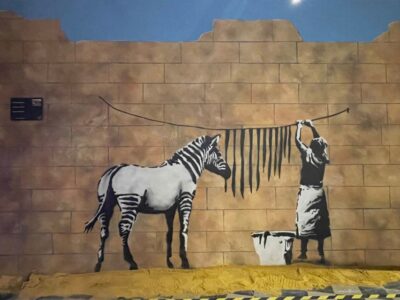
The World of Banksy Museum Permanent Exhibition
Read our review →
Browse the lists this tour appears in