
Reviewed · YPRES TOURS
In Flanders Fields and Passchendaele Half Day Morning Tour
The most powerful part of this tour is the way it links scattered sites across the Ypres Salient. You move from preserved trenches and a wartime dressing station to German and Commonwealth cemeteries, then on to the ground where Passchendaele was fought. Roger brings the military story down to human scale, which makes each stop easier to understand.
I like the small maximum group of eight, since it gives you room to ask questions and hear the guide clearly. I also like that the air-conditioned vehicle reaches sites that would be awkward to connect on foot, including Tyne Cot, Langemark, and Saint Julien.
The main consideration is the pace. Three and a half hours covers a lot, and some stops are brief. The van has also been described as a little cramped in the back, though that is a modest issue for a tour covering so much ground.
Key points at a glance
- Roger is the central strength: He has written two books about the war and brings a personal research-based approach to the Ypres Salient.
- Six major battlefield stops: The route includes Sanctuary Wood, Essex Farm, Langemark, Saint Julien, Passendale, and Tyne Cot.
- Preserved trenches are included: Sanctuary Wood Museum offers a rare chance to walk through surviving trench works.
- The group stays small: A maximum of eight people makes discussion easier than on a large coach tour.
- The tour is useful for family research: Roger has helped people locate relatives buried in the area, including at Hooge Crater.
- Budget for the museum: The Sanctuary Wood Museum entrance fee is an additional €8 per person.
Why a short tour works well in the Ypres Salient
The Ypres Salient is not one single battlefield with a neat entrance and a single viewpoint. It is a wide area around Ypres, marked by cemeteries, memorials, trenches, bunkers, villages, and fields where several battles took place.
That makes independent sightseeing possible but not always simple. You can reach some sites by bicycle or car, yet the meaning of each place is easier to grasp when you understand how the positions connect. This tour gives you that framework in a compact morning.
The route lasts about 3 hours and 30 minutes. That is long enough to visit the main sites without turning the day into an exhausting military-history marathon. It is also short enough to combine with time in Ypres, a separate museum visit, or a train journey to and from Brussels.
You meet at 10:00 a.m. outside Ieper railway station at Colaertplein 35. The activity ends back at the same meeting point, a useful arrangement if you are arriving by train or continuing your sightseeing in town.
More Flanders Fields memorial tours:
- From IEPER Private 4-hour Tour of the Ypres Battlefield
★ 5.0 · 154 reviews - Ypres: An exploration of the deadly salient battlefields
★ 5.0 · 76 reviews - From Brussels: Flanders Fields Remembrance Full-Day Trip
★ 4.4 · 65 reviews
Sanctuary Wood and its preserved trenches
The first stop is Sanctuary Wood, where Roger gives an overview of the fighting in the Ypres Salient. This opening matters. Before you enter a cemetery or stand beside a memorial, you need a basic sense of the battles, the front lines, and the area’s role in the First World War.
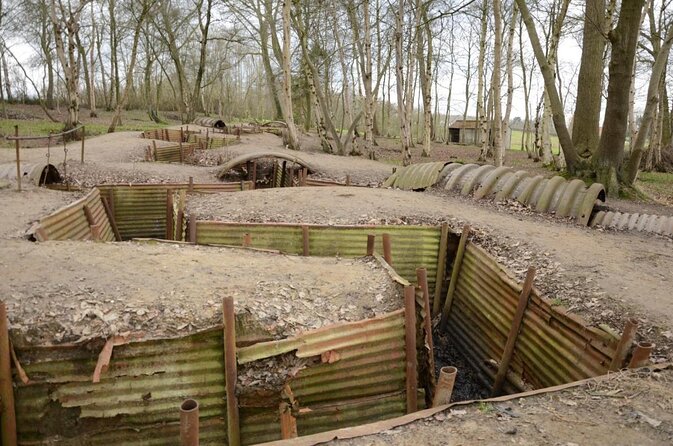
The broader Sanctuary Wood visit is free, but the museum itself charges €8. The museum includes preserved trenches, making it one of the more physical parts of the morning. You are not simply looking at a plaque or a row of graves. You can see the cramped defensive works that shaped daily life for soldiers.
The museum is not open on Mondays. On that day, the tour visits alternative trenches instead. If the preserved trench experience is especially important to you, check the operating day before booking. The tour still runs with a substitute stop, but the exact museum visit is not available Monday.
Allow about 50 minutes for Sanctuary Wood Museum. That is a useful amount of time, though you should not expect the freedom of a long independent museum visit. The guide-led format keeps the morning moving.
Essex Farm, where care followed the fighting
At Essex Farm Cemetery, the focus shifts from combat to medical care. Preserved dressing station bunkers show where wounded soldiers were treated and how evacuation worked under wartime conditions.
This is a valuable change of subject. Battlefield tours can become a string of troop movements and dates, but Essex Farm reminds you that the consequences of fighting reached into every stage of military medicine. The bunkers give the stop a direct, physical presence.
You have about 30 minutes here. That should give you time to listen, look closely, and reflect without being rushed through in a few minutes. The cemetery itself does not require an additional admission fee.
For anyone researching a family member, this part of the tour can be especially useful. Roger’s approach includes helping people connect names and records with the places where events unfolded. One person on the tour received help tracing a relative buried at Hooge Crater, an example of the sort of personal context a guide can add when family history is part of your visit.
Langemark and the difficult German side of the war
Langemark German Cemetery offers a different view from the Commonwealth cemeteries. About 44,000 burials are here, and the site has strong links to Hitler and the Nazi movement of the Second World War.
That makes this more than a standard cemetery stop. It opens a discussion about how the First World War was remembered, used politically, and carried into the conflicts that followed. Roger’s treatment of German military history provides useful context rather than presenting the war from only one national point of view.
You have around 30 minutes at Langemark. The visit is free, and the time is well suited to a guided explanation followed by a quiet look around. This is a solemn place, so the guide’s tone matters. The supplied experience descriptions repeatedly point to Roger’s respectful, plain-spoken manner, which is helpful at a site tied to such heavy political memory.
If your family connection is German, or if you want more than a British and Commonwealth account of the war, Langemark is one of the most important stops of the morning.
Same city, a completely different way to spend a day:
- From Ypres, The Christmas Truce to Passchendaele Ypres Based WW1 private tour
★ 5.0 · 29 reviews - From Ypres: WWI Battlefields Private Tour
★ 5.0 · 25 reviews - In Flanders Fields and Passchendaele Grand Tour
★ 5.0 · 25 reviews - e-Scavenger hunt Ypres: Explore the city at your own pace
★ 4.5 · 6 reviews
Saint Julien and the first gas attacks
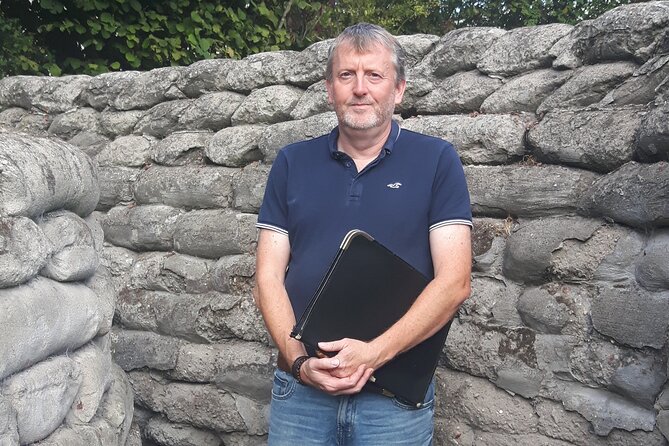
The Saint Julien Memorial takes only about 10 minutes, but it carries considerable weight. Here you see the Brooding Soldier Memorial and hear the story of the first gas attacks.
The short stop works as a focused pause rather than a full visit. The memorial provides a clear visual point, while the explanation places it within the development of chemical warfare. Because the tour has already established the setting around Ypres, the account is easier to follow than it would be as an isolated monument.
You will not have a long period here, so this is one place where the tour’s compact format is noticeable. If you want extended time at every memorial, a private full-day tour would offer more room. If you want a clear introduction to the main sites, 10 minutes can be enough.
Passendale and the cost of Passchendaele
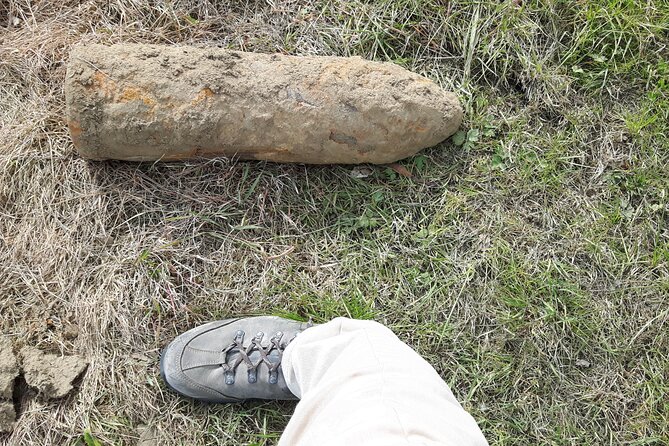
The visit to Passendale takes about 15 minutes and covers the battlefields of Passchendaele and the conflict’s lasting legacy.
The name Passchendaele often carries a large weight in popular memory, but a guide helps explain what that name means on the ground. The visit connects the village and surrounding battlefields to the wider Ypres story, rather than treating Passchendaele as a separate event with no link to the other stops.
This is another brief stop, so expect an overview rather than an exhaustive study. The benefit is that you see the area within a morning route that also includes cemeteries, trenches, and medical sites. For a first visit, that broad structure is more useful than spending all morning on one location.
The stop also helps explain why the Ypres Salient remains such a powerful place of remembrance. The war was fought across ordinary communities, and Passendale is part of that continuing story.
Tyne Cot Cemetery makes a strong final stop
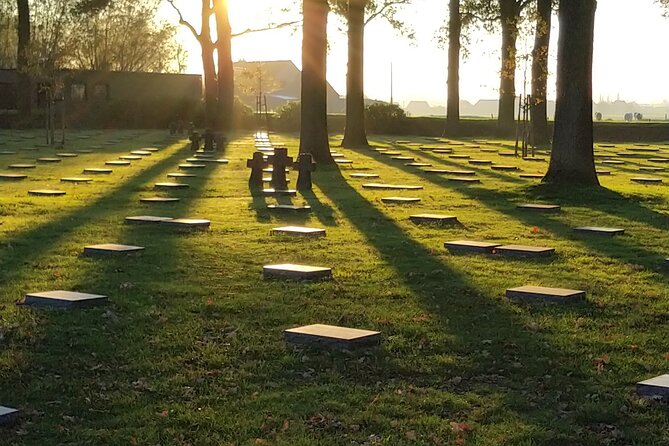
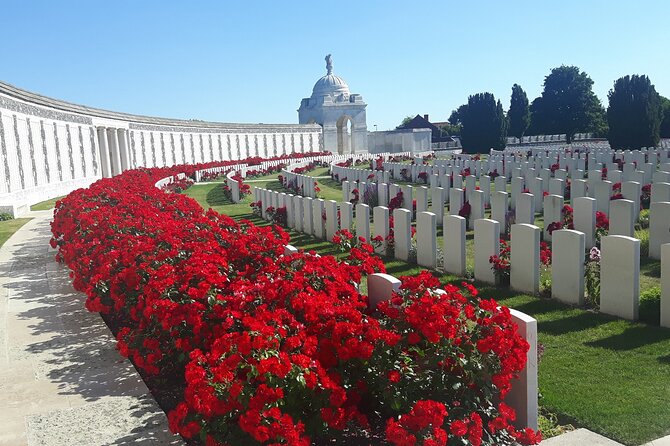
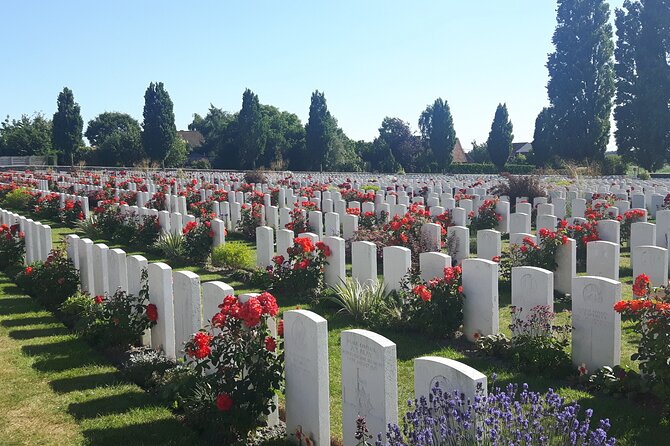
Tyne Cot Cemetery is the longest cemetery visit on the route, at about 35 minutes. It is described as the largest British and Commonwealth war grave cemetery in the world, and its scale makes a strong impression even after a morning of solemn sites.
Ending here is effective. By this point, you have seen trenches, medical bunkers, a German cemetery, and memorials tied to gas warfare and Passchendaele. Tyne Cot then gathers many of those themes into one place of remembrance.
The cemetery is free to enter. The time allows Roger to explain its significance and gives you space to look around. The experience is not just a quick photo stop from a vehicle. You have enough time to absorb the rows of graves and the size of the memorial grounds.
If you are visiting because of a family member, bring the name and details you have available. Roger has gone out of his way to help people find relatives connected with the Ypres area. The tour is not presented as a formal genealogy service, but the guide’s interest in individual stories can make a major difference.
Roger’s guiding style and why it matters
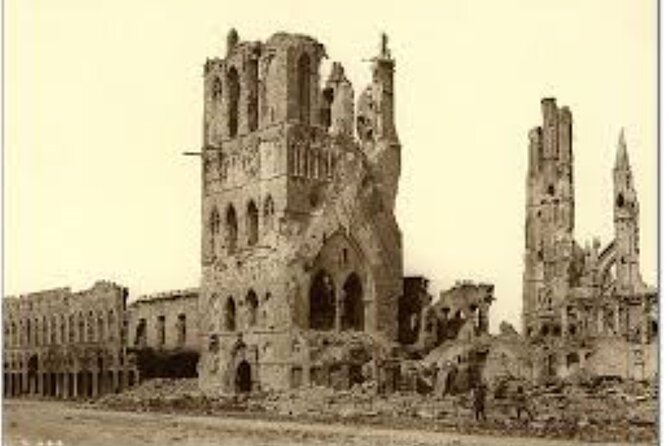
The strongest thread running through this experience is Roger himself. He is described as friendly, respectful, witty, and deeply informed about the First World War and Ypres. He has written two books about the subject, including Reclaiming The Salient, and his research gives the commentary more substance than a basic walk-and-talk.
You should expect plenty of explanation, but not a lecture that ignores the people standing in front of him. The group format allows questions, and Roger has been flexible with timing when visitors have faced train problems or arrived late. That kind of practical care matters in Ypres, where many people arrive by rail and a delayed connection can quickly spoil a tightly timed day.
The guide also adjusts the story to the group. Canadian visitors have received extra attention to Canada’s role and memorials, while American, New Zealand, and Australian contributions have also been placed in context. If your family comes from one of those countries, tell Roger at the beginning. It may help him connect the general story with the history you came to see.
The tour’s tone is not light entertainment. It is thought-provoking and, at times, emotional. Roger’s strength is making difficult material understandable without stripping away its seriousness.
Small-group comfort, transport, and timing
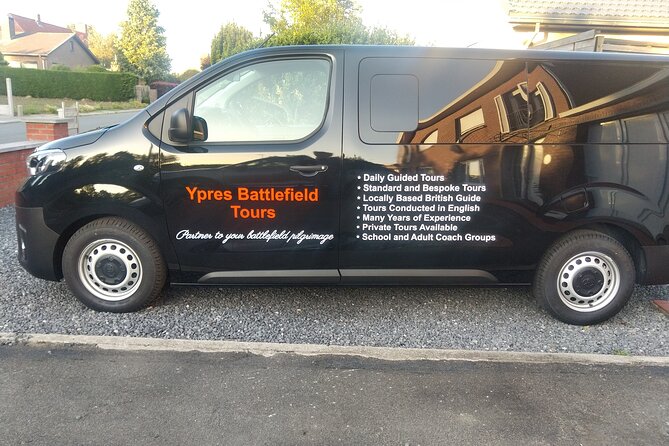
The air-conditioned vehicle is a practical part of the experience. The sites are spread around the Ypres Salient, and driving between them saves time and effort. You can see more in one morning than you could comfortably manage by walking.
The group has a maximum of eight people. That is small enough for direct conversation and easier questions, while still keeping the price below what you would usually expect from a fully private tour.
One practical drawback is vehicle space. A four-star assessment noted that the rear of the van felt a little cramped. This is worth keeping in mind if you dislike close seating or are particularly tall. Still, the comment also treated it as a minor issue, not a serious problem with the tour.
Most people can participate, and service animals are allowed. The meeting point is near public transportation at Ieper station, and the activity returns there at the end. Confirmation is provided at booking.
Is $108.84 good value?
At $108.84 per person, this is not the cheapest way to see the Ypres area. You are paying for a guide, transport, route planning, and the ability to reach six significant sites in one morning.
The price looks more reasonable when you consider the distances involved and the quality of the commentary. Seeing cemeteries independently is free, but a free visit does not explain why each place matters or how the sites relate to one another. Roger’s guidance is the main value here.
The €8 Sanctuary Wood Museum admission is extra, so include that in your budget. There are no other entrance fees listed for the stops. If you are a serious First World War enthusiast and want extensive time at every cemetery, a longer private tour may suit you better. For a first look at the Salient, this half-day route gives you a good amount of history for the time and cost.
The 100 percent recommendation rate and 5 out of 5 score from 117 ratings point to unusually consistent satisfaction. More important than the number itself is the pattern: praise focuses on Roger’s explanations, his care with family connections, the small group, and the way he makes unfamiliar sites understandable.
Who should book this Ypres tour?
I would choose this tour if you have only one morning in Ypres and want a clear introduction to the First World War sites beyond the town center.
It is especially well suited to:
- First-time visitors who want the main sites explained in one connected route
- Families researching relatives buried in the Ypres area
- Visitors arriving by train who want pickup and return at Ieper station
- Canadians, Australians, New Zealanders, and Americans who want their national contributions placed in context
- Cyclists or independent sightseers who want an orientation before exploring alone
- Families with older children who can handle solemn and sometimes confronting subject matter
You might choose something else if you want a slow museum morning, long independent cemetery visits, or a full-day battlefield study. The route covers a lot, and several stops are deliberately short.
The tour requires a minimum number of participants. If that number is not reached and the activity is canceled, you are offered another date or experience, or a full refund. You can cancel for a full refund up to 24 hours before the 10:00 a.m. start time. Later cancellations and changes are not accepted for a refund.
My verdict: a strong first tour of Flanders Fields
I would book this tour for a first visit to the Ypres Salient, particularly if you value clear explanations over simply ticking off memorials. The route gives you trenches, bunkers, German and Commonwealth cemeteries, and the Passchendaele battlefields in one well-planned morning.
The deciding factor is Roger. His passion, research, patience, and willingness to connect the history with individual families make the short format work. Just remember to budget €8 for Sanctuary Wood Museum, expect a packed schedule, and prepare for a serious experience rather than a casual sightseeing outing.
If you want to understand what you are seeing, not just stand beside it, this is a very good choice.
FAQ
Where does the tour begin?
The tour begins at Station Ieper, Colaertplein 35, 8900 Ieper, Belgium.
What time does the tour start?
The scheduled start time is 10:00 a.m.
Where does the tour end?
The activity ends back at the meeting point at Ieper railway station.
How long does the tour last?
The tour lasts approximately 3 hours and 30 minutes.
What language is the tour offered in?
The tour is offered in English.
What is the group size?
The experience has a maximum of eight travelers.
Is the Sanctuary Wood Museum entrance included?
No. Admission to Sanctuary Wood Museum is not included and costs €8 per person.
Is Sanctuary Wood Museum open every day?
No. The museum is closed on Mondays. On Mondays, the tour visits alternative trenches.
Is transportation included?
Yes. An air-conditioned vehicle is included.
Can I cancel for a full refund?
Yes. You can cancel at least 24 hours before the experience start time for a full refund. Changes or cancellations made less than 24 hours before the start are not accepted for a refund.
Just added around Ypres
- Discover Tournai while playing! Escape game – The alchemist★ 4.0 · 3 reviews
- PRIVATE Australian Western Front Battlefields 3-Day Tour Ypres to Amiens★ 5.0 · 3 reviews
- From LIlle or Bruges, Christmas Truce to Passchendaele Ypres 1 day WW1 private★ 5.0 · 5 reviews
- From Ypres 4hr Christmas Truce and Monster Mines of Messines PRIVATE Tour★ 5.0 · 5 reviews
- e-Scavenger hunt Ypres: Explore the city at your own pace★ 4.5 · 6 reviews
- Full Day Canadian WW1 Vimy and Somme Battlefield Tour from Ypres★ 5.0 · 6 reviews
- From Ypres: WWI Battlefields Private Tour★ 5.0 · 25 reviews
- In Flanders Fields and Passchendaele Grand Tour★ 5.0 · 25 reviews
Ypres Tours, compared.

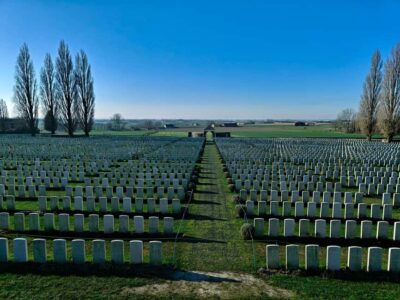
An exploration of the deadly salient battlefields
Read our review →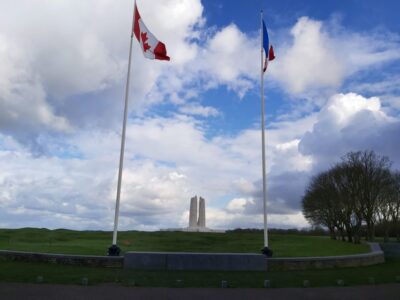
From Brussels: Flanders Fields Remembrance Full-Day Trip
Read our review →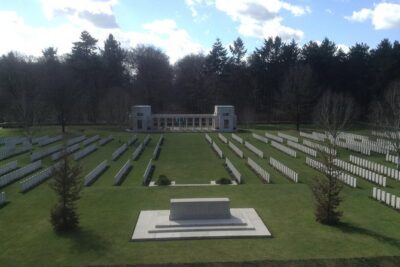
From Ypres, The Christmas Truce to Passchendaele Ypres Based WW1 private tour
Read our review →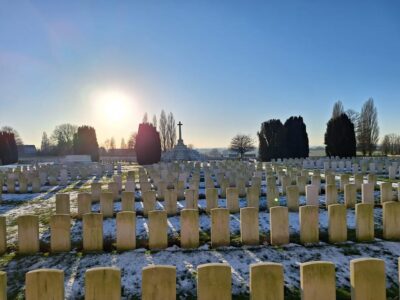
In Flanders Fields and Passchendaele Grand Tour
Read our review →
Full Day Canadian WW1 Vimy and Somme Battlefield Tour from Ypres
Read our review →
Browse the lists this tour appears in