
Reviewed · YPRES TOURS
From Brussels: Flanders Fields Remembrance Full-Day Trip
The most powerful part of this long day is the way it links quiet fields and cemeteries to the human cost of the First World War. You move from German graves and old trenches to Passchendaele, Tyne Cot, Essex Farm, and finally the Last Post Ceremony beneath Ypres’ Menin Gate.
I like the strong historical storytelling on the coach, which begins before you reach the battlefields. I also like the range of stops: the Brooding Soldier, a trench section, the museum, cemeteries, and the place where John McCrae wrote In Flanders Fields.
The main drawback is time. This is a 13-hour day, and the ride can grow longer when the coach detours through Bruges to collect or return passengers. Museum time and lunch may feel rushed.
Key points to know before booking
- Passchendaele and Tyne Cot: See one of the war’s most notorious battle areas and the world’s largest Commonwealth cemetery.
- The Last Post at 8 p.m.: The day ends with a simple, solemn ceremony at Menin Gate in Ypres.
- Guide-led history: Guides including Dietrich, Diedrich, Stefan, and Steffen have been praised for clear explanations and personal links to the war.
- A full military history route: The day includes German and Commonwealth cemeteries, trenches, Hill 60, a field hospital, a museum, and memorials.
- Comfortable but lengthy transport: Round-trip coach travel makes the route practical from Brussels, but you will spend several hours on the road.
- Best for serious history interest: The pace and subject matter suit adults who want a focused First World War day rather than a relaxed countryside outing.
Why this Flanders Fields day carries real weight
Flanders Fields is not one single sight. It is a broad area where the First World War was fought, treated, remembered, and buried. That makes a guided tour useful. Without context, a cemetery can become a series of names and dates. With a good guide, the fields, roads, tunnels, hospitals, and memorials begin to connect.
The tour starts outside the National Bank of Belgium on Boulevard de Berlaimont 18. Look for the staff and Keolis coach. From there, the guide begins explaining the events that led to the war and how the fighting spread across Europe.
That early coach commentary matters. You are not simply being driven west and handed a list of stops. The guide uses maps and spoken explanation to set up the military situation before you reach the ground itself. Guides named Dietrich, Diedrich, Stefan, and Steffen have received especially strong praise for their command of the subject, calm manner, and ability to add personal family connections.
The standard is not identical on every departure. If you already know a great deal about First World War units and battles, some explanations may feel basic or repeated. If you want a clear overview with a human focus, the format works well.
More Flanders Fields memorial tours:
- From IEPER Private 4-hour Tour of the Ypres Battlefield
★ 5.0 · 154 reviews - In Flanders Fields and Passchendaele Half Day Morning Tour
★ 5.0 · 117 reviews - Ypres: An exploration of the deadly salient battlefields
★ 5.0 · 76 reviews
German graves, trenches, and the Brooding Soldier
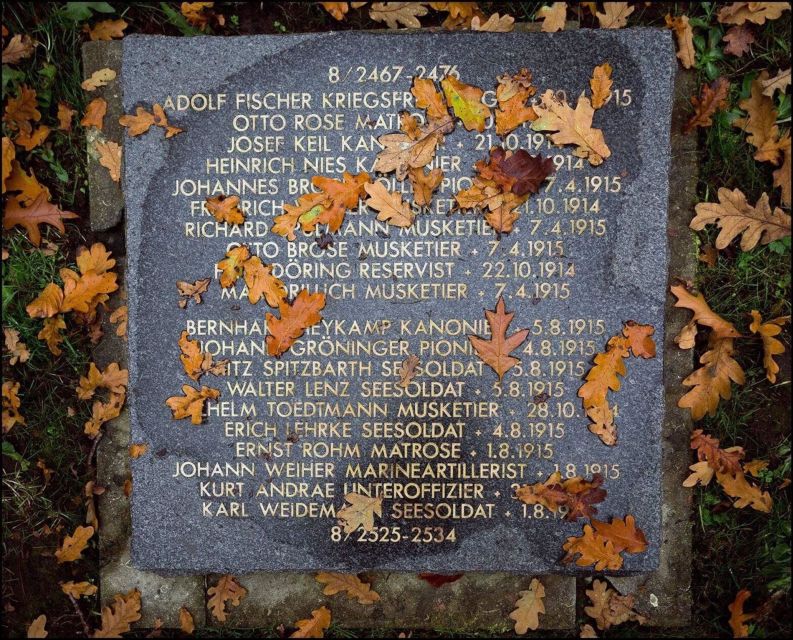
The first stops bring home the scale of the conflict from more than one national viewpoint. A German Cemetery offers a quiet and moving contrast to the Commonwealth sites visited later. It is an important part of the day because the war was not experienced by one side alone.
The group then stops at a section of First World War trenches. You should expect an outdoor visit on uneven ground rather than a fully restored attraction with extensive facilities. Comfortable shoes are essential, and the tour is not suited to wheelchair users or people with limited mobility.
Near the trenches is the Monument of the Brooding Soldier. The statue commemorates the sacrifice of 2,000 Canadian soldiers during the first German gas attack. This is one of the tour’s most affecting memorial stops because it focuses on a particular national unit and a particular form of warfare, rather than treating the whole war as one distant event.
The guide’s explanation is especially valuable here. A short stop can otherwise pass quickly, but the story gives the monument a clear purpose. You have time to pause, look closely, and consider the soldiers represented by the figure.
Hill 60 and the underground war
Hill 60 adds another layer to the battlefield story. The Royal Engineers’ tunnelling companies dug beneath the area before it fell into German hands. The site helps explain how much of the war took place below ground, out of sight of the men in the trenches and the civilians far away.
This stop is best approached as a lesson in military engineering and terrain. The ground itself may not look dramatic to a first-time visitor. That is exactly why the guide’s commentary matters. The meaning is in what happened beneath and around the hill, not in a grand monument or theatrical presentation.
The tour moves at a firm pace, so listen closely when the guide explains the sequence of events. You may not have long to wander independently at each battlefield stop.
Ypres and the In Flanders Fields Museum
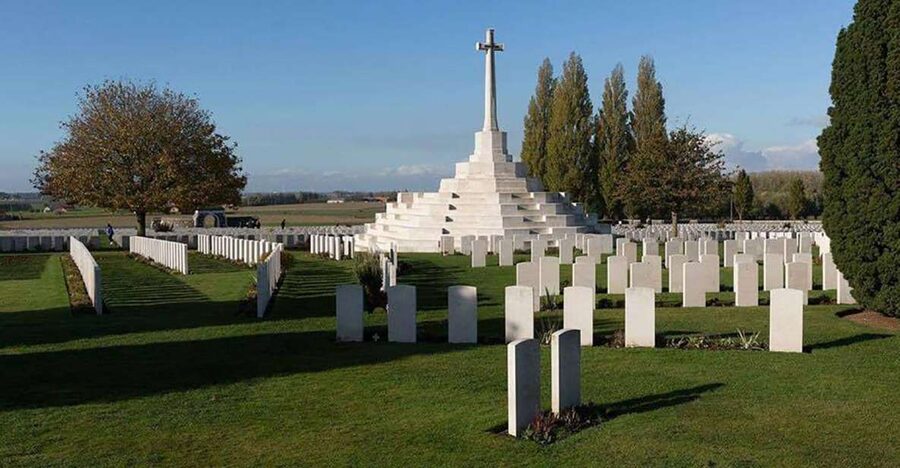
Ypres, often written as Ieper, is the day’s main town stop. You have time for lunch and a visit to the In Flanders Fields Museum, which is included in the tour price.
The museum is housed in Ypres’ historic Cloth Hall and presents the First World War through personal stories and the wider story of trench warfare. It is an important counterpoint to the open-air sites. At the cemeteries, you see the result of the fighting. In the museum, you get more help understanding the people, decisions, and conditions behind it.
The weak point is the amount of time. Some departures allow only about 35 minutes, while the planned visit is around an hour. That is not enough for a careful visit to every section. One hour is also tight when you must enter, orient yourself, read exhibits, and leave on schedule.
If the museum is a priority for you, ask at the start how much time is planned. You may need to choose between reading displays in depth and seeing the rest of the route without feeling hurried. The tour provides a useful introduction, but it is not a museum-focused excursion.
Lunch is also brief. A meal and drink may be arranged, but you should not expect a long, leisurely break. One departure included a meal that was considered less impressive than the rest of the day, while another found a good local restaurant but had to eat quickly because of the schedule. I would treat lunch as fuel, not a major culinary stop.
A few more Ypres half-days to weigh up
- Full Day Canadian WW1 Vimy and Somme Battlefield Tour from Ypres
★ 5.0 · 6 reviews - From Brussels: Full-Day Antwerp and Ghent Guided Tour
★ 4.6 · 1,019 reviews - From Amsterdam: Bruges Full-Day Tour
★ 4.3 · 519 reviews - From Brussels: Bruges and Ghent Full-Day Trip by Train
★ 4.3 · 103 reviews
Passchendaele, where mud became a weapon
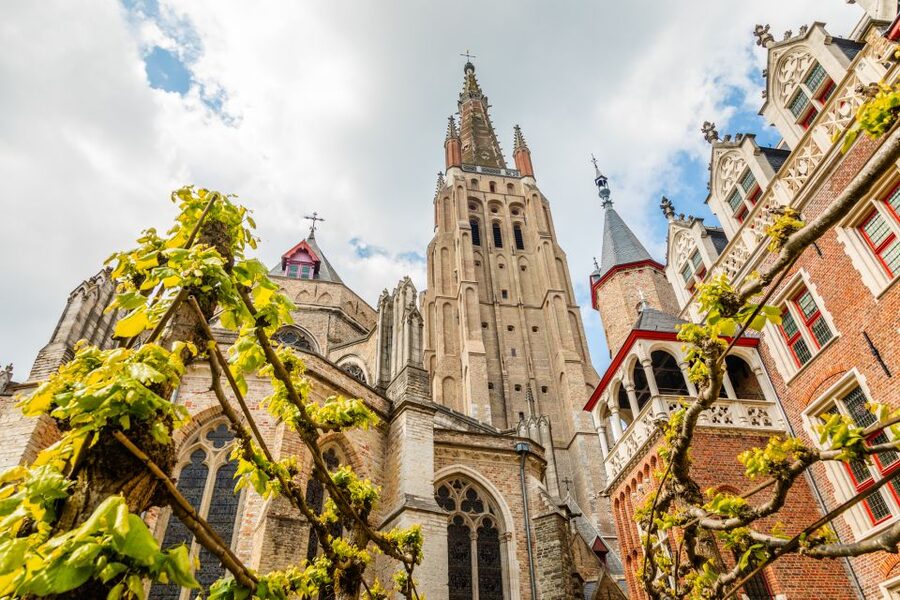
Passchendaele is one of the names most closely associated with the misery of the Western Front. The tour brings you to the battlefield area and explains the conditions and fighting that made the name so infamous.
This is not a battlefield filled with obvious ruins. Much of the countryside has changed, and the power of the stop comes from the contrast between its peaceful appearance and the destruction that took place there. You need to pay attention to the guide’s account and use the surrounding memorials and terrain as part of the story.
For a newcomer to First World War history, Passchendaele gives the day a clear center. You see why this battle has remained such a strong symbol of attrition and suffering. For a specialist, the tour may not offer enough unit-level detail or time at every related site. The guide gives an overview rather than a research seminar.
Tyne Cot Cemetery and the cost of the war
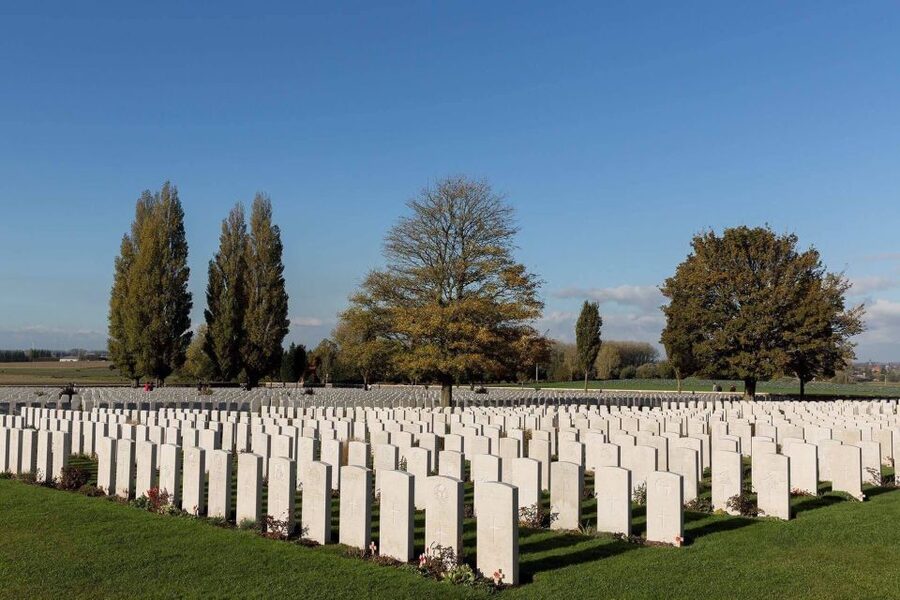
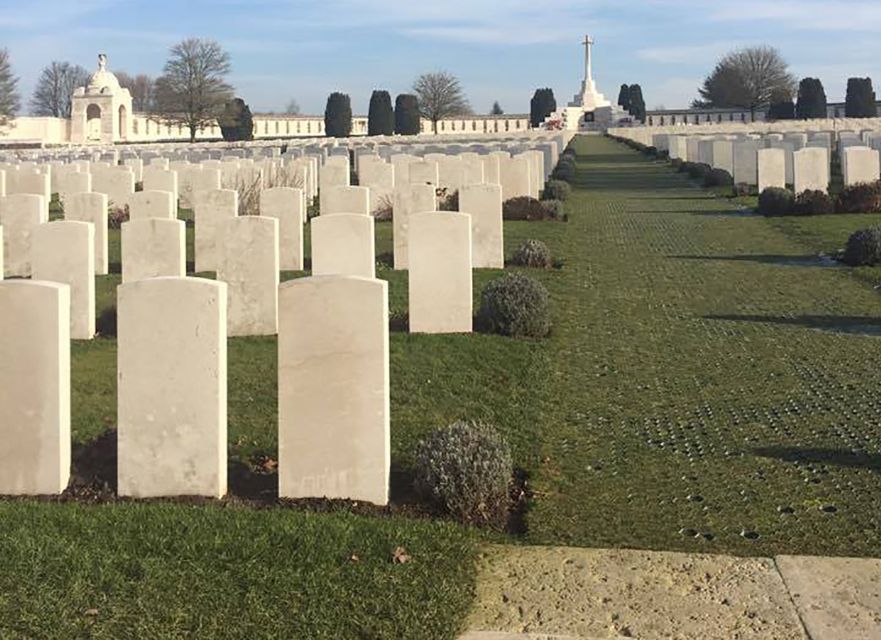
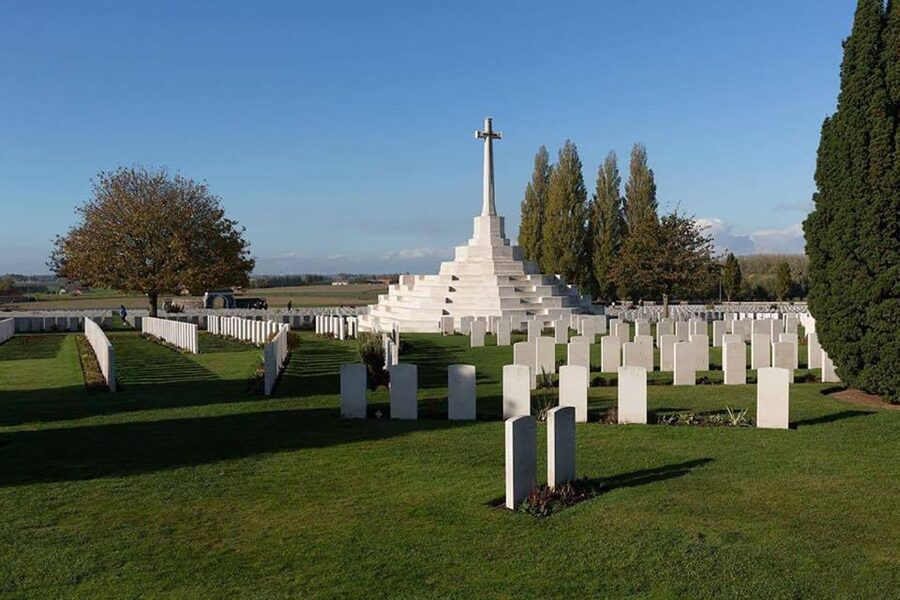
Tyne Cot Cemetery is one of the day’s essential stops. It is described as the largest Commonwealth cemetery in the world, with British, Irish, Australian, and Canadian soldiers among those buried there.
The scale is difficult to take in at first. Rows of headstones make the number of dead visible, but the cemetery’s silence encourages you to focus on individual names as well. This is a place for quiet attention, not hurried sightseeing.
The tour helps place Tyne Cot in the wider route. By the time you arrive, you have already heard about the trenches, attacks, tunnelling, and battlefield conditions. The cemetery then gives those events a human and final form.
Allow yourself a little personal space during this stop. The schedule is full, but you do not need to fill every moment by taking photographs or listening constantly. A few quiet minutes can be the most memorable part of the visit.
Essex Farm and John McCrae’s poem
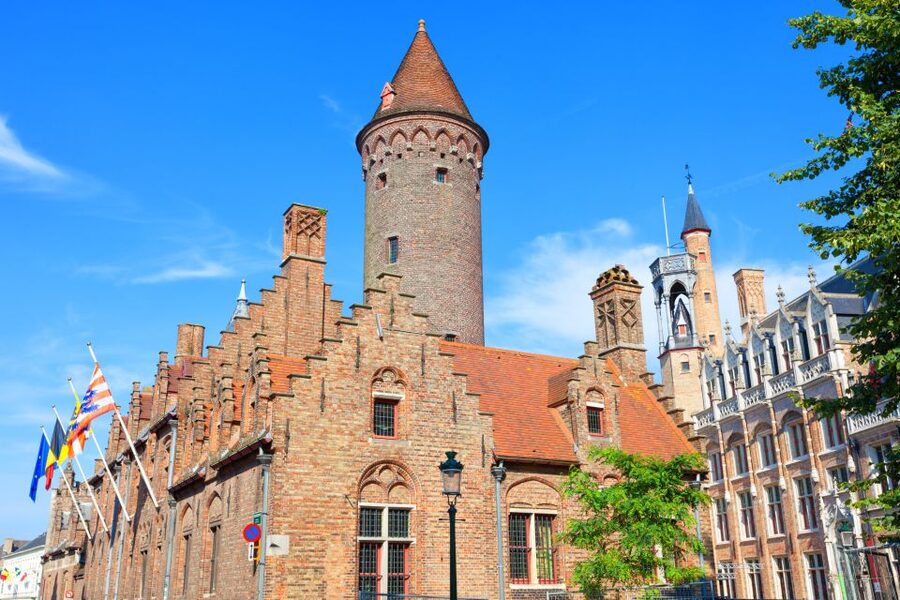
Essex Farm was a field hospital, and it is associated with Canadian surgeon Dr. John McCrae, who wrote In Flanders Fields there. This stop brings together medical care, poetry, and remembrance.
The poem is familiar to many people, but seeing the place linked to its creation changes how you hear it. The setting is not presented as a literary landmark in isolation. It is part of a route through hospitals, trenches, graves, and battlefields.
I find this stop useful because it shifts the focus away from commanders and offensives. It reminds you that the war was also about wounded men, exhausted medical staff, and the attempt to preserve some humanity in terrible conditions.
The Last Post at Menin Gate
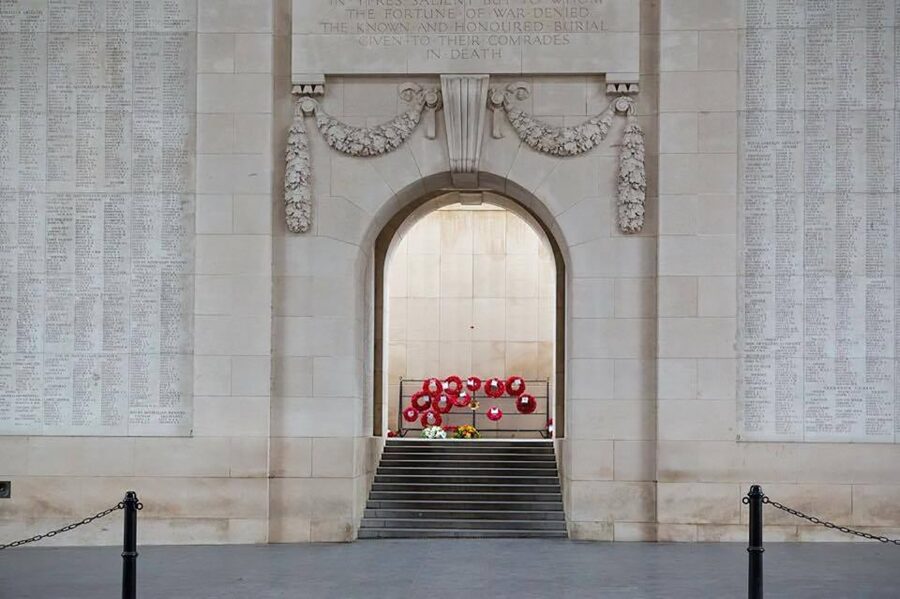
The day returns to Ypres for the 8 p.m. Last Post Ceremony at Menin Gate. This daily tribute honors Commonwealth soldiers and officers who went missing after the battles in the area.
The ceremony is brief and restrained. Its strength comes from that simplicity. After a day of military explanation, the formal words and music give you a chance to stop analyzing and simply remember.
Arriving with the tour removes one practical worry. You are already in Ypres, and the guide can direct you toward the ceremony before the appointed time. You may have a short snack or free period beforehand, but do not expect a long evening in town. The return journey begins after the ceremony.
For people with a family connection to the area, this can be intensely personal. Even without one, the setting makes the names on the Menin Gate feel less abstract because you have spent the day visiting the ground where many of the missing fought.
The coach ride, timing, and real value
At $107 per person, this is not a cheap day trip, but the price covers the professional English-speaking guide, round-trip coach transport, and entry to the In Flanders Fields Museum. You also avoid arranging several distant sites yourself.
The strongest value is the route design. Reaching Passchendaele, Tyne Cot, Essex Farm, Hill 60, and Ypres independently would take careful planning and a car or several transport connections. The coach lets you cover a wide area in one day.
The trade-off is time on the road. The journey from Brussels includes a transfer of about two hours, and some departures go through Bruges to collect passengers. That extra routing has frustrated people who expected a more direct Brussels to Flanders Fields trip. It can add roughly two hours to an already long day, especially when the coach also returns through Bruges.
The coach itself has been described as comfortable, which helps. Still, this is not a gentle half-day outing. You may leave in the morning, spend the day moving between outdoor sites and Ypres, attend the 8 p.m. ceremony, and return to Brussels late.
Build your day around the tour. Wear shoes you can walk in outdoors, bring water and a snack, and avoid booking an important late-night plan afterward. The meeting point is central and easy to identify, but hotel pickup and drop-off are not included.
Who should book this tour?
I would choose this tour if you want a serious First World War overview and prefer an expert-led route to arranging battlefield sites alone. It suits history buffs, family-history pilgrims, and anyone who wants to understand why Ypres and Passchendaele matter.
It also works for first-time visitors who need the story explained from the beginning. The guides have been praised for strong subject knowledge and engaging delivery, with some adding personal family history that makes the subject feel less distant.
I would hesitate if your main goal is a slow museum visit, an extended lunch, or a direct Brussels transfer. The schedule is packed, some stops are short, and the Bruges pickup can make the day longer than expected. People with limited mobility should choose another outing because of the outdoor terrain and stated restrictions.
FAQ
How long is the Flanders Fields tour from Brussels?
The tour lasts 13 hours. Starting times vary, so you need to check availability when booking.
Where does the tour start?
It starts at Bd de Berlaimont 18, outside the National Bank of Belgium. Look for the tour staff and the Keolis coach.
Is transportation included?
Yes. Round-trip coach transportation from Brussels is included. Hotel pickup and drop-off are not included.
Is the In Flanders Fields Museum included?
Yes. Entrance to the In Flanders Fields Museum is included in the tour price.
What language is the tour conducted in?
The live tour guide speaks English.
Is the tour suitable for wheelchair users?
No. The activity is not recommended for people with limited mobility and is not suitable for wheelchair users.
Should you book it?
Book it if you want the broadest practical introduction to Flanders Fields in one demanding day. The combination of Passchendaele, Tyne Cot, Essex Farm, Ypres, the museum, and the Last Post Ceremony gives you both battlefield context and personal remembrance.
Skip it if you need slow, detailed study at each site or dislike long coach journeys. For most people with a strong interest in the First World War, the $107 cost is fair for the transport, museum entry, and carefully connected route. Just arrive ready for a very long day, keep your expectations realistic about museum time, and save your energy for Menin Gate.
More 1-Day Tours in Ypres
- From LIlle or Bruges, Christmas Truce to Passchendaele Ypres 1 day WW1 private
★ 5.0 · 5 reviews - From Brussels: Guided Day Trip to Bruges and Ghent
★ 4.6 · 8,353 reviews - From Amsterdam: Bruges Day Trip in English with Boat Option
★ 4.4 · 1,989 reviews - From Brussels: Guided Day Trip to Dinant and Luxembourg
★ 4.5 · 1,973 reviews
Just added around Ypres
- Discover Tournai while playing! Escape game – The alchemist★ 4.0 · 3 reviews
- PRIVATE Australian Western Front Battlefields 3-Day Tour Ypres to Amiens★ 5.0 · 3 reviews
- From LIlle or Bruges, Christmas Truce to Passchendaele Ypres 1 day WW1 private★ 5.0 · 5 reviews
- From Ypres 4hr Christmas Truce and Monster Mines of Messines PRIVATE Tour★ 5.0 · 5 reviews
- e-Scavenger hunt Ypres: Explore the city at your own pace★ 4.5 · 6 reviews
- Full Day Canadian WW1 Vimy and Somme Battlefield Tour from Ypres★ 5.0 · 6 reviews
- From Ypres: WWI Battlefields Private Tour★ 5.0 · 25 reviews
- In Flanders Fields and Passchendaele Grand Tour★ 5.0 · 25 reviews
Ypres Tours, compared.

In Flanders Fields and Passchendaele Half Day Morning Tour
Read our review →
An exploration of the deadly salient battlefields
Read our review →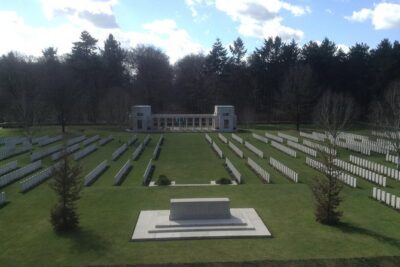
From Ypres, The Christmas Truce to Passchendaele Ypres Based WW1 private tour
Read our review →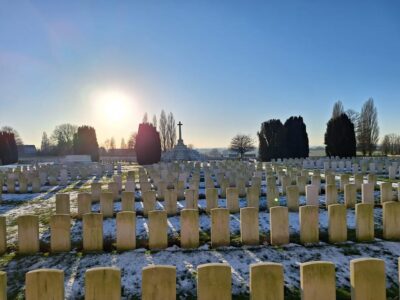
In Flanders Fields and Passchendaele Grand Tour
Read our review →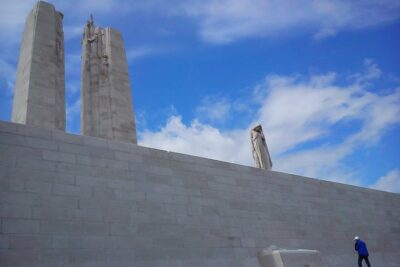
Full Day Canadian WW1 Vimy and Somme Battlefield Tour from Ypres
Read our review →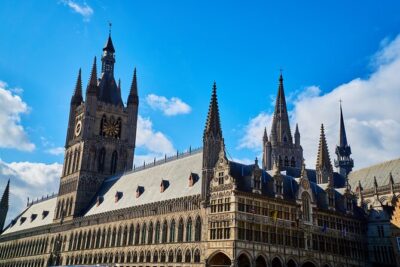
Browse the lists this tour appears in