
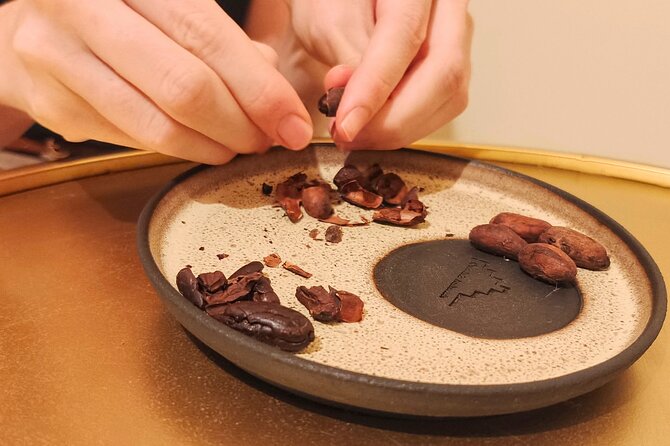
Reviewed · GHENT TOURS
Chocolate history workshop Ghent
Belgian chocolate is usually sold as a finished luxury. This 90-minute workshop in Ghent takes you back to the raw cacao bean, then moves through early drinking chocolate, historic recipes, and today’s pralines. You also taste products from several Belgian chocolatiers without crossing the country.
I like the tiny group size, with no more than six people listed for the activity, and I like the hands-on work of making your own chocolate bar. The cacao fruit juice, cacao tea, and early drinking chocolate add useful context that a standard shop visit often misses.
The main drawback is the price: $82.90 per person is a lot for an hour and a half, especially if you mainly want to eat pralines. The room is kept at about 18°C for the chocolate, so bring a sweater if you get cold.
Key points at a glance
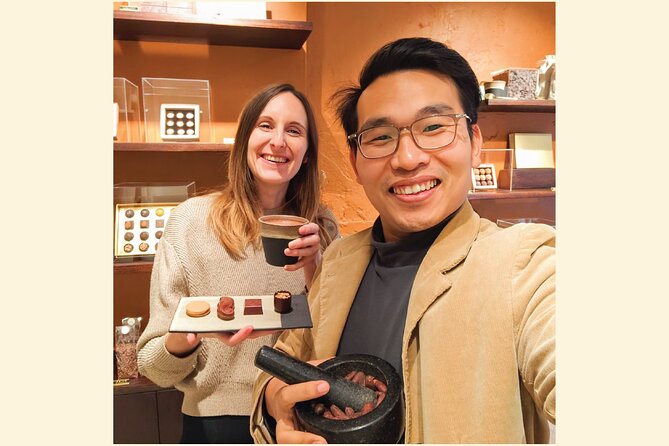
- Make chocolate from cacao beans: You create your own chocolate bar rather than simply sampling finished sweets.
- Taste several stages of cacao: The workshop can include cacao fruit juice, cacao tea, early drinking chocolate, modern pralines, and other cacao products.
- Travel through chocolate history: Historic 16th- and 17th-century chocolate preparations connect the bean to the Belgian chocolate sold today.
- Small English-language setting: The session is designed for a personal group, with a maximum of six people and a licensed English-speaking guide.
- Excellent Ghent location: The Chocolade Ambassade is on Kraanlei, around the corner from Gravensteen castle and about five minutes from Graslei and Korenlei.
- Shopping comes afterward: You can buy chocolate at the shop once the tasting and workshop are finished, but shopping is optional.
Starting at Kraanlei, beside Gravensteen
Your meeting point is Chocolade Ambassade, at Kraanlei 3 in Ghent’s historic center. The location is practical for a sightseeing day because Gravensteen castle is just around the corner, while the waterfront streets of Graslei and Korenlei are about a five-minute walk away.
The workshop begins at 11:00 a.m. That timing works well if you want to start your Ghent day with chocolate, then continue toward the castle, canals, and old center afterward. It also gives you time to reach the meeting point without rushing through an early breakfast.
The activity takes place inside a chocolate shop, not in a large museum or factory. That matters. You are in a small tasting room built for conversation and food preparation, so the session feels more like a guided class than a quick stop at a retail counter.
The room is kept at around 18°C to protect the chocolate. That is sensible for the product, though it may feel cool if you are dressed for a warm Belgian afternoon. A light sweater is a useful bit of packing.
More History Tours in Ghent
- Historical Walking Tour: Legends of Gent
★ 5.0 · 1,761 reviews - Ghent: 40-Minute Historical Boat Tour of City Center
★ 4.3 · 430 reviews - Private Historical Tour: The Best of Ghent
★ 5.0 · 115 reviews
A small group makes the history easier to follow
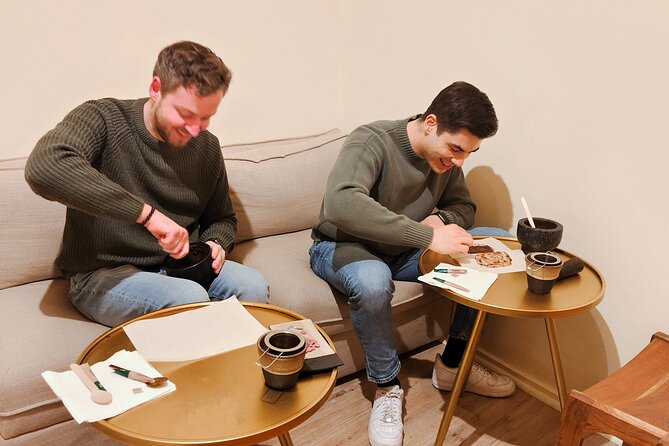
The workshop is designed for a personal group, with a maximum of six people. The overview also describes groups of up to eight, but the additional details give six as the operating maximum, so expect a particularly compact session rather than a crowded class.
A small group helps here because the subject can become technical. Cacao has a long route from fruit to bean, paste, drink, and finished chocolate. With fewer people around the table, you have a better chance to ask about ingredients, preparation, and the differences between the samples in front of you.
The English-speaking guide is licensed and certified. One guide identified in the experience details is Leo, who leads the workshop with humor as well as instruction. You should expect the guide to explain each stage instead of simply handing you a plate of samples.
That teaching style is important for families, couples, and anyone who wants more than a sugar stop. The workshop works best when you are curious about how chocolate became chocolate, not only about which piece tastes sweetest.
Following cacao from fruit to drink
The first part of the session connects modern chocolate with the cacao plant. You can taste cacao products and, based on the workshop program, samples such as cacao fruit juice and cacao tea. These are useful comparisons because they show that cacao is more than the dark or milk-colored bar most people know.
The fruit juice gives you a sense of cacao before it is processed into chocolate. Cacao tea presents another use of the plant, while the bean becomes the key ingredient for the handmade bar later in the class.
You also taste an early form of drinking chocolate. This historical sample helps explain how chocolate began as a drink before becoming the solid confection associated with Belgian shops. It is an especially good part of the session for anyone who has visited chocolate stores but never considered the long change from cacao preparation to modern praline.
The exact flavor of these early preparations may surprise you. Do not expect every sample to taste like a familiar Belgian bonbon. That is part of the value. The workshop lets you compare older cacao traditions with modern formulas instead of treating all chocolate as one fixed thing.
Recreating 16th- and 17th-century chocolate
The history lesson is not only a talk. You get to make versions of chocolate items connected with the 16th and 17th centuries. This gives the historical section a clear purpose: you are not just hearing about old chocolate, you are working with the idea of how it may have been prepared and consumed.
The activity is a good alternative to a chocolate museum, especially if you prefer handling ingredients to reading display panels. A museum can provide a wider collection of objects and information, while this workshop gives you a smaller story with tastes and tasks built into it.
The historic recipes also provide a useful contrast with the modern chocolates tasted later. The difference helps you understand how chocolate changed over time in texture, sweetness, preparation, and presentation.
Do not book this expecting a full professional chocolatier course. The workshop lasts about an hour and a half, and its goal is a guided introduction to chocolate history, cacao, and tasting. You will get a practical activity, but not a long technical program covering every stage of commercial production.
A few more Ghent half-days to weigh up
- Ghent: Belgian Chocolate Walking Tour with Tastings
★ 4.9 · 259 reviews - Ghent: Famous Belgian Chocolate Walking Tour with Tastings
★ 5.0 · 131 reviews - A Taste of Ghent: Beer & Chocolate with storytelling by a local
★ 5.0 · 77 reviews - Ghent: Guided City Tour with Chocolate Tastings
★ 4.8 · 36 reviews
Comparing Belgian chocolatiers in one room
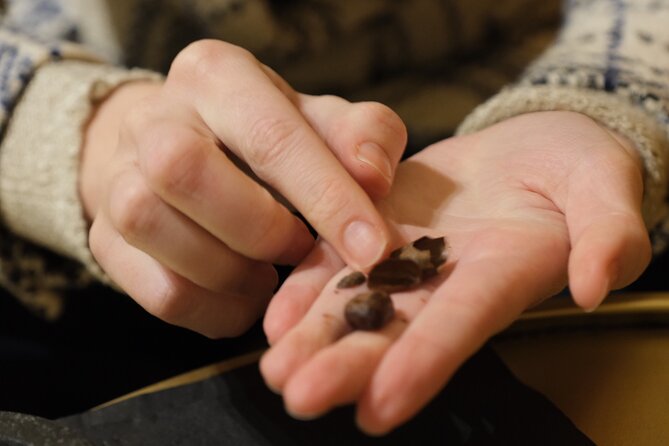
One of the smartest features is the tasting of artisanal chocolates from several Belgian makers. Belgium is known for its chocolate shops, but visiting enough makers to compare styles takes time, money, and a lot of walking. Here, the comparison happens in a single sitting.
This is useful if you are trying to decide what to buy during the rest of your trip. You can pay attention to the differences in flavor and style, then shop with a better idea of what suits you. It also helps if your trip is short and you do not want to spend half a day visiting separate stores.
The tasting is not limited to one house style. Different makers can show how Belgian chocolate varies, even within a country with a strong international reputation for confectionery. You may find that the chocolate you prefer is not the one you expected.
The modern praline portion is paired with the historical samples, so the experience has a clear timeline. You begin with cacao and older preparations, then reach the polished bonbons associated with Belgian chocolate today.
That sequence makes the tasting more meaningful than a box of assorted sweets. You can think about the techniques and ingredients behind each piece instead of judging each one in isolation.
Making your own bar from cacao beans
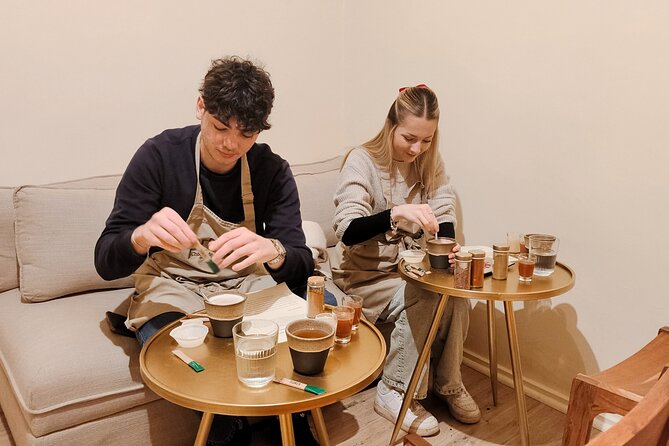
The hands-on centerpiece is a chocolate bar crafted by you from cacao beans. This is the part that turns the workshop from a tasting into a real activity.
Working from beans gives you a stronger sense of the starting point. Most chocolate shopping begins with a wrapped bar or finished praline. Here, you are shown that the final product begins with a plant and a raw ingredient that must be processed.
You take home the satisfaction of having made something yourself, though the supplied details do not specify the exact size or packaging of the bar. Treat it as a personal souvenir rather than a large box of chocolate.
The activity suits children and adults who enjoy making things, but keep the timing in mind. At 90 minutes, the class is compact. You will not spend an entire afternoon perfecting professional techniques, and the main focus remains the combination of history, tasting, and participation.
The hot chocolate finish and optional shopping
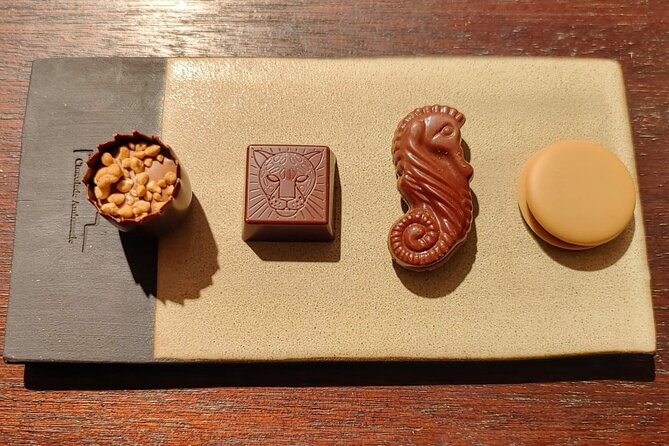
Hot chocolate is included, along with the recipe. This is a fitting close to a workshop that traces chocolate’s move from cacao bean to drink and then to solid confection.
Having the recipe is more useful than a quick sample alone. It gives you something practical to take home and try, though the supplied information does not state the exact ingredients or method. You will need to get those details during the session.
Water is also included, which is welcome during a tasting. Chocolate flavors can quickly blur together, so water helps you reset between samples.
After the formal activity, you have the chance to shop for chocolate in the store. This is optional, not a required sales stop. The timing is helpful because you can buy specific products after comparing styles, rather than purchasing at the beginning and then discovering something you prefer later.
If you are carrying chocolate around Ghent afterward, remember that the room temperature is controlled for a reason. On a warm day, plan where you will keep your purchases.
Is $82.90 good value for 90 minutes?
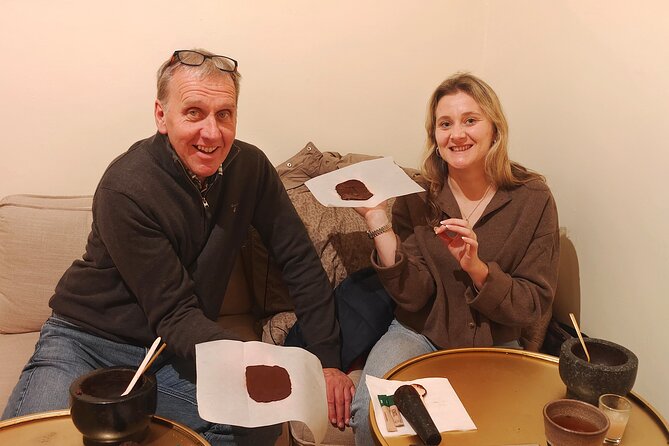
At $82.90 per person, this is not the cheapest way to eat Belgian chocolate. If you only want a praline tasting, a shop visit will cost less and let you set your own pace.
The price becomes easier to justify if you value the full three-part format: chocolate history, guided tasting, and making your own bar. You are also paying for a licensed English-language guide, a small group, several types of cacao products, hot chocolate, and the chance to compare Belgian makers in one place.
The experience can save money indirectly if you are planning to visit many chocolate shops. Instead of buying a large amount at random, you can use the tasting to narrow down your choices. That does not make the fee inexpensive, but it can make your later shopping more focused.
I would see this as a special activity rather than a basic food stop. It is a stronger buy for a couple, a family, or a small group sharing an interest in food and history. It is a weaker buy for someone who dislikes structured tastings or wants a long technical class.
The average booking lead time is 22 days. That suggests you should not leave it until the last minute if the 11:00 a.m. session fits your Ghent plans. The published rating is 5 out of 5, with 100 percent recommendation, but your decision should still come down to whether the workshop format matches your interests.
Who will enjoy the Chocolade Ambassade most?
I would recommend this for you if you want to understand Belgian chocolate rather than simply consume it. The historical recipes, cacao drinks, and bean-to-bar activity provide enough variety to keep the 90 minutes moving.
It is also a good choice for anyone who has already visited chocolate stores and wants more context. You can see how the products relate to cacao, older drinking traditions, and modern Belgian confectionery.
The workshop suits a rainy morning particularly well, though the central location makes it easy to add to any sightseeing plan. Afterward, you can walk to Gravensteen, Graslei, or Korenlei without arranging extra transport.
You may want to skip it if your priority is quantity. The included items are varied, but this is not described as a large-scale chocolate buffet. You are paying for guided explanation and participation, not a box filled to the top.
It may also be less suitable if you are very sensitive to cool rooms. At about 18°C, the tasting area is comfortable for chocolate but not necessarily warm enough for everyone.
Practical details before you book
The activity is offered in English and uses a mobile ticket. Transportation is not included, but the meeting point is in central Ghent and near public transportation.
The tour begins and ends at Chocolade Ambassade, Kraanlei 3, 9000 Gent. Since the end point is the same as the start, you do not need to arrange a separate pickup or find your way to another part of the city.
Service animals are allowed. Confirmation is provided when you book.
Free cancellation is available if you cancel at least 24 hours before the 11:00 a.m. start time. Cancellations or changes made less than 24 hours before the start are not accepted for a refund. The activity also requires a minimum number of participants, and if that minimum is not reached, you are offered another date or activity, or a full refund.
Should you book this Ghent chocolate workshop?
Book it if you want a small, hands-on introduction to Belgian chocolate with real context behind the tasting. The combination of cacao products, historic chocolate preparations, modern pralines, hot chocolate, and your own handmade bar gives the session more substance than a simple shop visit.
I would be most likely to book this on a first visit to Ghent, especially if I had an open morning and planned to see Gravensteen or the central waterfront afterward. The location is easy to combine with sightseeing, and the small group should keep the class personal.
Skip it if $82.90 feels too high for 90 minutes, or if you mainly want to buy chocolate rather than learn about it. For everyone else, this is a thoughtful way to taste Belgium with a little less guesswork and a lot more cacao context.
FAQ
Where does the chocolate history workshop take place?
It takes place at Chocolade Ambassade, The Belgian Chocolate Experience, at Kraanlei 3, 9000 Gent, Belgium.
What time does the workshop start?
The workshop starts at 11:00 a.m.
How long does the activity last?
The activity lasts approximately 1 hour and 30 minutes.
Is the workshop offered in English?
Yes. The experience is offered in English, and the guide is licensed and certified.
How many people can join the workshop?
The additional activity details specify a maximum of six participants. The experience is designed as a personal small-group session.
What is included in the price?
The price includes a chocolate bar made by you from cacao beans, Belgian artisanal chocolates from different makers, cacao products, hot chocolate with the recipe, and water. Transportation is not included.
Can I cancel for a full refund?
Yes, if you cancel at least 24 hours before the experience start time. Cancellations or changes made less than 24 hours before the start are not refunded or accepted.
More Workshops in Ghent
- Ghent: Belgian Waffle-Making Workshop with Beer Tasting
★ 4.8 · 256 reviews - The Waffles ‘n Beer Workshop in Ghent Centre
★ 5.0 · 67 reviews - Brussels: Belgian Chocolate Making Workshop with Tastings
★ 4.7 · 1,629 reviews - Brussels: 2.5-Hour Chocolate Museum Visit with Workshop
★ 4.6 · 1,263 reviews
Just added around Ghent
- Ghent Running and Sightseeing Tour★ 5.0 · 3 reviews
- Ghent Walking Tour – City Highlights and Beyond Tradition★ 4.5 · 3 reviews
- Ghent: Walking Tour from Friday Market to the Cathedral★ 4.8 · 3 reviews
- Ghent: City Walk with Audio Guide in 7 Languages on your Phone★ 4.5 · 3 reviews
- Children’s escape game in the city of Ghent Marsupilami★ 5.0 · 3 reviews
- Discover Ghent while playing! Escape game – The Walter case★ 4.5 · 4 reviews
- Discover Ghent while playing! Escape game – The alchemist★ 4.0 · 4 reviews
- e-Scavenger hunt Mons: Explore the city at your own pace★ 5.0 · 4 reviews
Ghent Tours, compared.
Browse the lists this tour appears in