

Reviewed · BRUSSELS TOURS
Brussels: Museum Art & History Entry Ticket
The best reason to visit Brussels’ Royal Museum of Art and History is its sheer range. In one grand building at Cinquantenaire Park, you can move from prehistoric tools to Egyptian mummies, Roman monuments, Asian Buddhas, and Belgian decorative arts. The model of ancient Rome gives the past a useful sense of scale.
I like the freedom of a one-day ticket, since you can set your own pace instead of racing behind a guide. I also like the setting: after the galleries, Cinquantenaire Park gives you an easy place for an informal picnic. The main drawback is the museum’s size. With so much on display, you will need to choose your priorities rather than expect to see everything in one visit.
Key points to know before you go
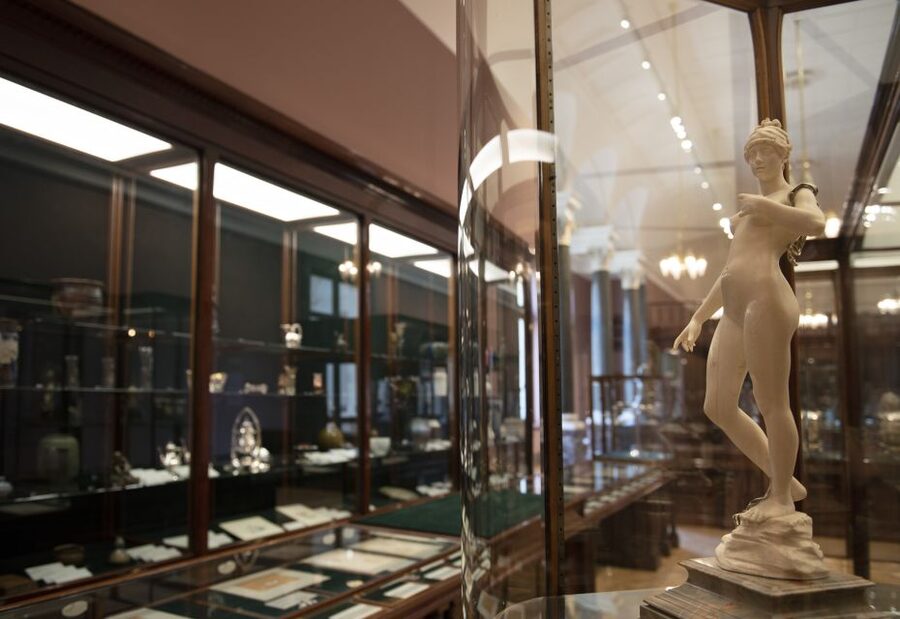
- Four major collection areas: Ancient history, Belgian and European archaeology, European decorative arts, and cultures from Asia, India, China, and the Islamic world.
- The ancient Rome model: Use it early in your visit to picture the size and layout of the Roman city.
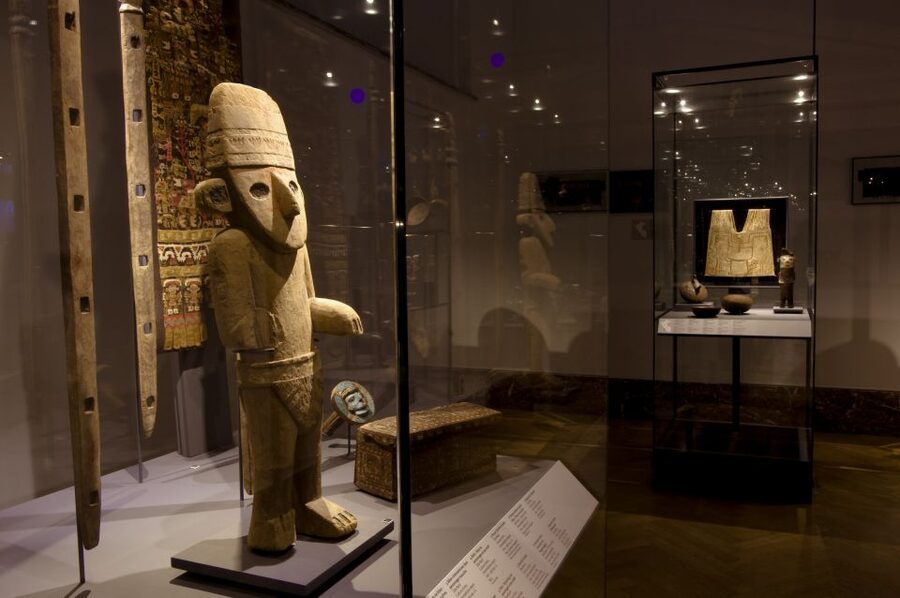
- Egyptian mummies: The Egypt collection adds a dramatic, human element to the museum’s early civilizations section.
- A full day of access: The ticket is valid for one day, with starting times based on availability.
- Cinquantenaire Park nearby: Finish with a picnic or a quiet break outside the museum.
- Practical entrance warning: The door is not beside Autoworld. Walk around the building and follow the signs.
A world tour inside Cinquantenaire Park
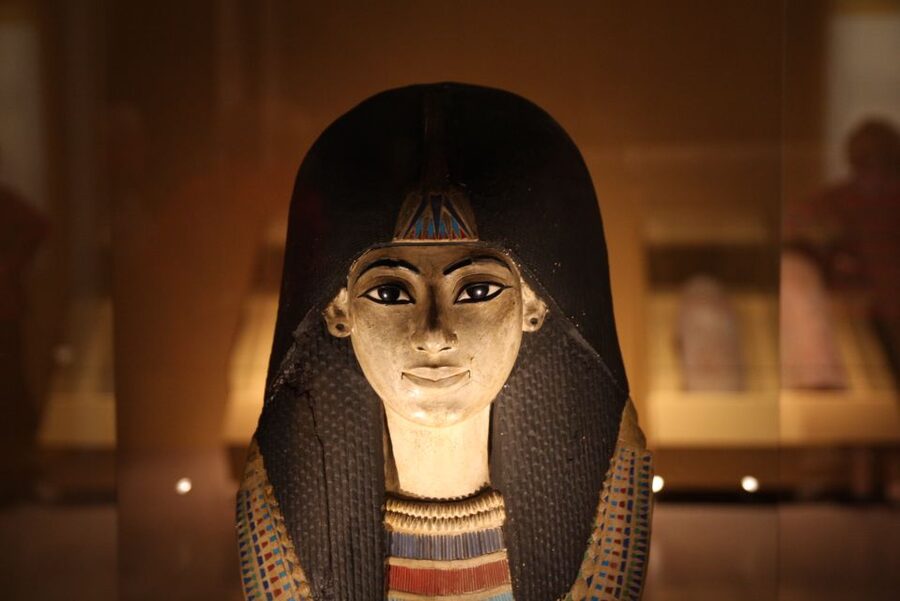
The museum occupies a classical building in Brussels’ Cinquantenaire Park. That location matters. You are not visiting a small specialist gallery that can be neatly covered in an hour. This is one of Belgium’s largest museums, with objects arranged across a long sweep of time and several parts of the world.
I would plan for at least a few focused hours, and you can use the full one-day validity if you want a slower visit. The ticket covers entry, not a private guide, so you control the route. That works well here because your interests may change once you see the galleries.
The collections begin with archaeological evidence from the birth of mankind and continue through the early 20th century. The museum then widens its view beyond Belgium and Europe, bringing in objects from Asia, India, China, the Islamic world, and the Americas.
That broad reach is the museum’s strength, but it can also make the visit feel less tidy than a museum devoted to one country or period. I suggest choosing two or three main sections before you arrive, then allowing time for unexpected stops.
More History Tours in Brussels
- Brussels: Historical Walking Tour with Chocolate & Waffle Tasting
★ 5.0 · 1,165 reviews - Brussels: Historical Tour with Chocolate & Waffle Tasting
★ 4.8 · 642 reviews - Historical Walking Tour: The Story of Brussels – by Legends
★ 5.0 · 164 reviews
Prehistory and national archaeology
The national archaeology collection gives you a way to understand Belgium before modern borders and national symbols existed. It includes prehistory, so the story starts with early human activity rather than with royal courts or famous painters.
This section is useful if you want a basic chronological foundation. You can see how the museum’s story begins with archaeological discoveries, then moves toward the ancient cultures that shaped Europe. It may be less immediately dramatic than the mummies or the Roman model, but it gives those later galleries a clearer setting.
I would not rush through it simply because the objects are older and less familiar. Archaeology asks you to pay attention to materials, tools, burial customs, and small changes across time. If you are visiting with children, this can also be a good place to frame the museum as a long human story rather than a collection of unrelated displays.
The limitation is that the information supplied for this ticket does not specify individual objects or a fixed route through the archaeology rooms. You may find the section more rewarding if you already enjoy prehistoric subjects, while first-time museum visitors might prefer to pair it with the more visual Egypt or Rome displays.
Egyptian mummies and the ancient world
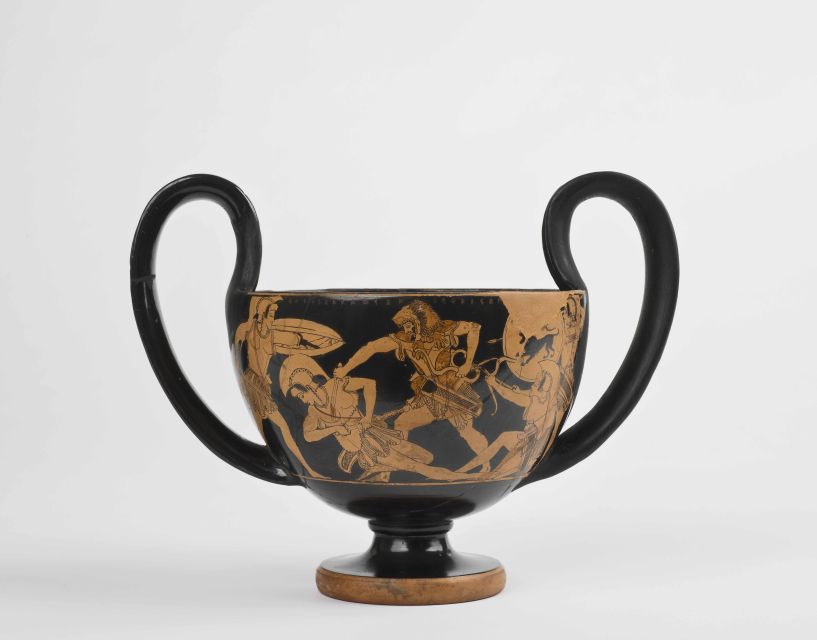
The Egyptian collection provides one of the museum’s clearest emotional hooks. A mummy is not just an archaeological object. It makes ancient beliefs about death, preservation, and the afterlife feel personal and immediate.
The experience is presented as part of the ancient history section, alongside Greece and Rome. If the phrase curse of the Egyptian mummies catches your attention, keep your expectations grounded: the appeal here is the atmosphere and the chance to encounter ancient funerary material, not a theatrical haunted-house show.
Egypt is a strong choice for families and for anyone who wants a memorable centerpiece. I would give yourself time to look at the objects around the mummies, not only the bodies themselves. The surrounding collection helps show how religion, daily life, and ideas about death fit together.
From Egypt, the museum leads you toward Greece and Rome. These cultures are often taught as separate school subjects, but seeing them in one institution helps you compare how ancient societies used sculpture, decoration, architecture, and mythology.
The model of ancient Rome

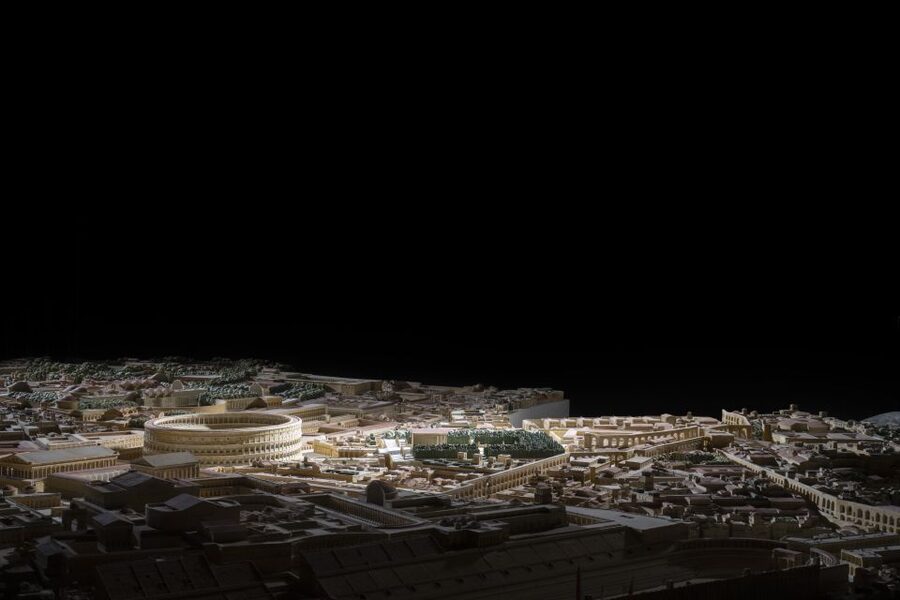
The model of Roma is one of the most useful stops in the ancient section. A city model can do something a single statue cannot: it lets you see the scale of ancient Rome and imagine how its buildings and streets related to one another.
I recommend finding this early if Rome is a priority. It gives you a visual map for the rest of the Roman material. After looking at the model, smaller objects can make more sense because you can place them within the larger world of the Roman city.
This is also a good pause point for families. Children often respond to a model faster than to a case of small archaeological pieces, and adults get a practical sense of how much Rome was a planned, crowded urban center.
The museum’s ancient Greece and Rome holdings are part of a much larger collection, so you should not expect a compact exhibit with one clearly marked beginning and end. Give yourself permission to select. The value of the ticket comes partly from being able to follow your curiosity rather than squeeze every object into one route.
More Museums in Brussels
- Brussels: Atomium Entry Ticket with Design Museum Ticket
★ 4.4 · 9,254 reviews - Choco-Story Brussels: Chocolate Museum Entrance with Tasting
★ 4.3 · 4,883 reviews - Brussels: Autoworld Museum Ticket
★ 4.7 · 1,301 reviews - Brussels: 2.5-Hour Chocolate Museum Visit with Workshop
★ 4.6 · 1,263 reviews
European decorative arts from the Middle Ages to 1800s
The European decorative arts section covers the 10th through the 20th centuries. This long time span lets you watch European taste change across medieval, Renaissance, and later periods.
Decorative art is especially helpful for understanding how people lived, not just what they believed. Furniture, objects, and ornament can reveal social status, craftsmanship, religious influence, and changing ideas about comfort and beauty. The collection also gives the museum a welcome change of rhythm after the ancient galleries.
You might find this section more rewarding if you enjoy design and material detail. It is less about one famous landmark and more about looking closely at how objects were made and used.
The later rooms lead toward Art Nouveau and Art Deco from the early 20th century. Those styles provide a natural final chapter for the European story. If you are interested in Brussels’ design tradition, do not leave these rooms for a rushed final ten minutes. The period acts as a bridge between historical museum collections and the modern city outside.
Asian Buddhas and non-European cultures
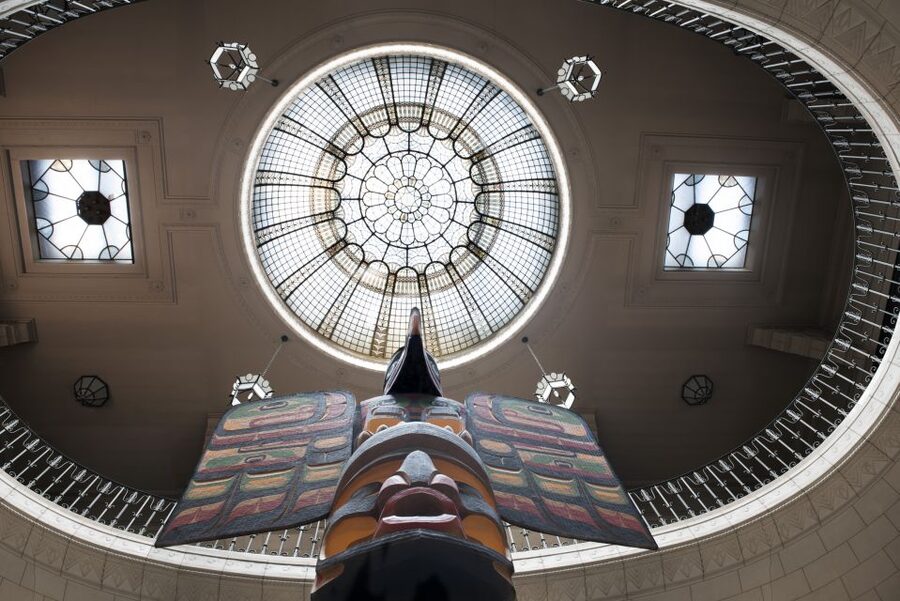
The non-European collections take you well beyond Belgium and Europe. You will encounter material from the Islamic world, India, China, and other Asian cultures, including Asian Buddhas.
This part of the museum is valuable because it prevents the visit from becoming a purely European timeline. You can compare religious images, decorative traditions, and artistic choices across regions. The galleries offer a broad introduction rather than a single-country specialist study, which makes them a good choice if you want variety in one stop.
I would approach this section with patience. Since the museum covers several cultures, you may find that each area offers an overview rather than exhaustive detail. That is not a flaw if you are building a first picture of Asian and Islamic art, but specialists may want more focused museums elsewhere.
The American collections are also included among the museum’s non-European treasures. The supplied details do not identify particular objects, so I would treat this as another area to explore if you have time, rather than plan your entire visit around a named masterpiece.
A practical route through the museum
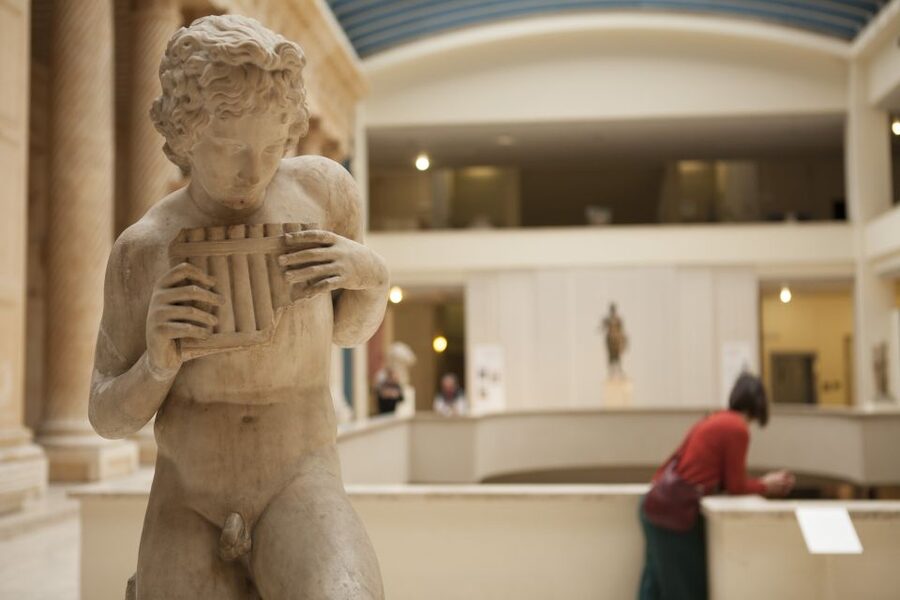
With a one-day ticket, I would use a simple three-part plan:
- Start with the ancient collections, including Egypt, Greece, Rome, and the Roma model.
- Continue with Belgian archaeology and European decorative arts.
- Finish with the non-European galleries, then return to any section you want to see again.
You can reverse that order if Asian or Islamic art is your main interest. The key is not to spend all your energy in the first rooms. A museum this large rewards selective viewing.
The ticket includes skip-the-ticket-line entry, which can save time at a busy period. It does not turn the museum into a guided tour, and no guide names or guided commentary are provided. I see that as a benefit for independent visitors, but less so if you want a historian to explain each room.
The museum is wheelchair accessible. Flash photography is not allowed, so bring a camera only if you are happy to photograph without flash and follow the museum’s rules.
Getting to the correct entrance
The entrance can cause needless confusion. It is not located beside Autoworld, even though both institutions are in the same Cinquantenaire complex. Walk around the corner to the other side of the building and follow the museum signs.
Merode and Schuman are the nearest train stations within walking distance. Schuman is also the nearest metro station, while Central Station connects by metro to the Art and History Museum.
Bus routes 22, 27, and 80 stop at Galliërs. Bus 61 stops at Merode. Trams 81 and 82 also stop at Merode. I would allow a few extra minutes to find the right door, especially if you have a timed start.
Is $11 good value?
At $11 per person, this is a strong value for anyone who plans to spend several hours inside. You are paying for access to collections that cover prehistory, ancient Egypt, Greece, Rome, Belgian archaeology, European decorative arts, and several non-European cultures.
The value is weaker if you only want one small subject. A visitor interested only in Art Nouveau, for example, may find the museum too broad for a short stop. The ticket makes more sense when you treat the building as a flexible half-day or full-day cultural visit.
There is one important price check. One person with a museum pass reported paying an extra 8 euros unnecessarily. If you already hold a museum pass, check what it covers before buying this separate entry ticket. That small step can prevent the ticket from costing more than expected.
The booking terms add flexibility: you can cancel up to 24 hours before the visit for a full refund, and you can reserve now and pay later. Starting times depend on availability, and the ticket remains valid for one day.
A break in Cinquantenaire Park
The park is part of the appeal, even though the picnic itself is not included as a formal service. After several hours indoors, you can step outside and find a place for an impromptu picnic.
I like this pairing because it gives the museum visit a natural pause. You can discuss the mummies, compare the Roman model with the real city you have seen in books, or simply rest before returning to another gallery.
The park also makes the museum easier to fit into a broader Brussels day. You are not committed to an indoor visit from morning until closing. Just remember that the ticket covers museum entry, while food and picnic arrangements are your responsibility.
Who should book this museum ticket?
I would recommend it to families, history fans, design lovers, and independent visitors who enjoy choosing their own route. The mix of ancient objects, Belgian archaeology, European decorative arts, Asian Buddhas, and early 20th-century design gives different members of a group something to follow.
It also suits a rainy Brussels day, since the museum offers enough range to occupy several hours. The wheelchair-accessible building and skip-the-ticket-line entry add practical value.
I would hesitate if your schedule allows only a quick 45-minute museum stop or if you dislike broad collections. You may spend more time finding your way between subjects than looking closely at them. For a short visit, choose one or two sections and accept that you are sampling rather than completing the museum.
Should you book it?
Book this ticket if you want a broad, self-guided museum day at a modest price. The strongest plan is to focus first on the model of Rome and the Egyptian galleries, then give yourself time for Belgium, European decorative arts, and the Asian and Islamic collections.
Before booking, check if an existing museum pass already includes admission, since an unnecessary extra payment can erase some of the value. If you do book, remember the entrance is on the side away from Autoworld, and save time for a break in Cinquantenaire Park.
FAQ
Where is the Royal Museum of Art and History?
It is located in Cinquantenaire Park in the Brussels Capital Region, inside a classical building.
Is the entrance beside Autoworld?
No. The entrance is on the other side of the building. Walk around the corner and follow the signs.
How long is the ticket valid?
The ticket is valid for one day. Available starting times depend on the date you select.
What collections can I see?
The museum includes ancient history from Egypt, Greece, and Rome; Belgian and national archaeology including prehistory; European decorative arts from the 10th to the 20th century; and non-European cultures from areas including the Islamic world, India, and China.
Can I see a model of ancient Rome?
Yes. The museum includes a model of Roma, ancient Rome.
Is the museum wheelchair accessible?
Yes, the activity information identifies the museum as wheelchair accessible.
Can I take photographs?
Photography is permitted only without flash. Flash photography is not allowed.
Just added around Brussels
- Private Tour – Bruges and Ghent, our fairytale cities★ 5.0 · 3 reviews
- Bruxelles: Photoshoot Experience★ 4.4 · 3 reviews
- Private Day Trip from Brussels to Bruges★ 4.5 · 3 reviews
- Private Arrival Transfer from Brussels Airport to Bruges with Business car★ 5.0 · 3 reviews
- Leuven: City Walk with Audio Guide in 7 Languages on your Phone★ 3.0 · 3 reviews
- Brussels: Express Walk with a Local in 60 minutes★ 5.0 · 3 reviews
- 2 Hour Beer Tasting with Local Beer Sommelier in Brussels★ 5.0 · 3 reviews
- Floating in the clouds★ 5.0 · 3 reviews
Brussels Tours, compared.
Atomium Entry Ticket with Design Museum Ticket
Read our review →
From Brussels: Guided Day Trip to Bruges and Ghent
Read our review →
From Brussels: Bruges & Ghent Day Tour – 2 Fairytale Cities
Read our review →
Choco-Story Brussels: Chocolate Museum Entrance with Tasting
Read our review →
Bruges and Ghent – Belgium’s Fairytale Cities – from Brussels
Read our review →
From Brussels: Luxembourg Tour with Dinant Visit
Read our review →
Hungry Mary’s Famous Beer and Chocolate Tour in Brussels
Read our review →Browse the lists this tour appears in