
Reviewed · BRUSSELS TOURS
Brussels: Walking Tour with Highlights and Hidden Gems
Brussels makes a good first impression from the top down. This two-hour walk begins near the Royal Palace and gently descends through the upper town before finishing at Grand Place, linking major sights with quieter corners many visitors could miss. You get a quick read on the city without spending the afternoon climbing its hills.
I like the downhill route, especially if you have just arrived with tired legs. I also like the practical advice built into the walk, from good waffle stops to museum ideas, photo locations, places to relax, and sensible souvenir choices. The main drawback is the pace: two hours covers a lot, so you will see many places from the outside rather than explore them at length. Cold or wet weather can also make the outdoor route less comfortable.
Key points to know before booking
- Downhill from the Royal Palace: The route avoids climbing the hill and ends in central Brussels.
- A compact city orientation: You see the Royal Palace, Brussels Park, medieval wall remains, Sablon, Manneken Pis, the Museum Quarter, and Grand Place.
- Useful local advice: Guides help you plan the rest of your stay, including food, museums, photos, relaxation, and souvenirs.
- Stories beyond the postcard view: The walk includes the Sablon church, its Holy Maria legend, and less obvious corners of Brussels Park.
- English and Russian guiding: The tour is offered with live guides in either language.
- Bring weather-ready gear: Comfortable shoes, water, and an umbrella are sensible. Wheelchair users cannot take this route.
Starting beside the Royal Palace
Your meeting point is close to Trône Metro station, served by lines 2 and 6. Look for the guide near the Leopold II monument, holding a yellow sign marked My Super Tour/Bruxelles 15:15. The exact starting time can vary, so check the available departure when booking.
Beginning near the Royal Palace gives the tour a useful frame. You are not simply ticking off monuments in the old center. You start in the part of Brussels associated with the monarchy, government, and the upper town, then walk downhill toward the historic center. That change in setting helps you understand Brussels as a city with distinct levels and neighborhoods.
The guide introduces the Royal Palace and explains its place in Belgian public life. The palace is not the final stop, so this part works best as an orientation rather than a long interior visit. If you want to tour palace rooms, you will need to make separate plans.
The route design is one of the tour’s smartest features. Several city walks begin in the lower center and send you uphill toward the palace or the Museum Quarter. Here, you begin high and descend. That does not remove all walking, but it makes the two-hour outing easier on your knees and more pleasant for people who prefer a steady downhill route.
More Walking Tours in Brussels
- Brussels: Guided Walking Tour
★ 4.6 · 3,560 reviews - Brussels: Historical Walking Tour with Chocolate & Waffle Tasting
★ 5.0 · 1,165 reviews - Brussels Walking and Tasting Tour (Beers,Chocolates&Fries/Waffle)
★ 5.0 · 929 reviews
Finding quieter corners in Brussels Park
From the palace area, you move through Brussels Park. This is where the tour begins to feel less like a standard monument checklist. The guide points out lesser-known spots inside the park and adds small details about the city that are easy to miss when you are walking alone.
A park stop also gives the route breathing room. You can look around, listen, and get a feel for how Brussels residents use the central city. The experience is not built around rushing from one photo stop to the next. Still, remember that this is a walking orientation, not a long rest in the park. The total time is only two hours.
The guide’s role matters here. Paulina, Polina, Evgenia, Nver, and Yuvi are among the guides praised for clear explanations, friendly energy, and personal attention on different departures. You cannot assume which guide you will get, but you can expect the tour to be led in English or Russian. Guides have also handled questions outside the basic route, including government, culture, modern Brussels, museums, and local customs.
That flexibility is valuable early in a trip. If you ask a good question, you may get an answer that helps shape the rest of your visit. The walk is at its best when you use it as a conversation rather than standing silently in a group.
Seeing traces of the medieval city
The next part connects modern Brussels with its older defenses. You see remnants of the ancient medieval city walls, a reminder that the city once had a much tighter boundary than it does today.
These fragments are not as grand as a complete fortress or a preserved medieval street. Their value is in the connection they provide. After the formal world of the palace and the open park, the wall remains shift your attention toward the older city below. The guide supplies the context, helping you understand why Brussels developed in layers rather than as one neat historic center.
This is also a good example of what the tour means by hidden places. You are still seeing the main city, but the route includes pieces you might walk past without noticing. Do not expect every stop to be a major monument. Some of the pleasure comes from learning why an ordinary-looking remnant matters.
The Sablon church and its Marian legend
The walk continues to Notre-Dame des Victoires au Sablon, one of the most attractive church stops on the route. Here, the guide explains the legend connected with Holy Maria and the church.
The Sablon area gives you a different side of Brussels. It is more refined and atmospheric than the narrow lanes around Manneken Pis, and it connects religious tradition with the city’s older civic life. The church visit is primarily a guided exterior and neighborhood experience, based on the information provided, so do not book this expecting a dedicated interior tour.
I find this kind of stop useful because legends make places easier to remember. A guide can point out the building, tell you the story tied to it, and show how local tradition adds another layer to the architecture. You get something more than a photograph, but you also keep moving, which is necessary if the group is to reach Grand Place on time.
The Sablon area may also interest you later if you want to return at your own pace. The walking tour gives you an introduction and helps you decide which parts deserve a longer visit. It does not replace a full museum or church visit.
Same city, a completely different way to spend a day:
- Brussels: Atomium Entry Ticket with Design Museum Ticket
★ 4.4 · 9,254 reviews - From Brussels: Guided Day Trip to Bruges and Ghent
★ 4.6 · 8,353 reviews - From Brussels: Bruges & Ghent Day Tour – 2 Fairytale Cities
★ 4.7 · 8,242 reviews - Choco-Story Brussels: Chocolate Museum Entrance with Tasting
★ 4.3 · 4,883 reviews
Manneken Pis without losing the plot
Manneken Pis is one of Brussels’ best-known sights, and it is easy to wonder why such a small fountain has become so famous. The tour brings you to the iconic figure as part of a wider story about Brussels’ humor, traditions, and public symbols.
Your stop here is likely to be brief. The statue is small, the surrounding streets can be busy, and the main value of having a guide is the explanation rather than the size of the monument. A guide can place Manneken Pis in the character of the city, where playful traditions and grand civic buildings sit close together.
This is a useful point in the itinerary because it contrasts with the palace and Sablon church. Brussels does not present one single mood. It can be formal, religious, comic, political, and practical within a short walk. The guide helps connect those contrasts.
If you want a detailed look at the fountain or nearby streets, plan to return after the tour. The two-hour format gives you the location and the basic story, then leaves you free to decide how much more time to spend there.
Passing the antique market and Museum Quarter
The route also passes an antique market and the Museum Quarter. These stops widen the tour beyond the oldest streets and most famous landmarks.
The antique market offers a glimpse of Brussels as a place for collecting, browsing, and local shopping, not only sightseeing. You may want to stop later if something catches your eye, but the walking tour is not a shopping excursion. The guide can point out the area and give you a better sense of where it fits in the city.
The Museum Quarter is especially useful for trip planning. Brussels has enough museums to fill several days, and a short orientation can save you from choosing at random. The guides have offered suggestions for museums and additional sights, including ideas tailored to the interests raised during the walk.
This is where the tour’s practical side earns its keep. At $60 per person, you are paying for two hours with a professional local guide, not admission to museums or palace rooms. If you use the advice to choose one or two worthwhile places for the rest of your stay, the cost feels more reasonable. If you want long visits inside attractions, you may get better value from a museum ticket or a longer private tour.
Finishing at Grand Place
The final major stop is Grand Place, Brussels’ famous central square. Ending here makes sense. You have moved from the Royal Palace and upper town through layers of older Brussels and arrive in the heart of the city, surrounded by one of Europe’s most impressive historic squares.
Grand Place is the sort of place that benefits from a guide’s explanation. The architecture is dramatic, but a first visit can become a blur of ornate facades. The guide gives you a way to read the square and understand why it matters as the civic center of Brussels.
The finish also works well for the rest of your day. Once the tour ends, you are in a central area with easy access to food, further walks, and other city sights. Ask the guide for a waffle recommendation before you part ways. You can also ask where to find a good place to relax, what souvenirs are worth buying, or which attractions deserve your remaining time.
Because the tour ends at Grand Place rather than returning to Trône, you should think of it as a one-way orientation. That is convenient if you want to continue exploring downtown. It is less convenient if you need to return immediately to your starting point.
What the pace feels like
The advertised duration is two hours, and the route includes many stops. Expect steady walking with frequent pauses for explanations and photographs. One guide has arranged the route so the walking proceeds generally downhill, but you still need to be comfortable being outside and on your feet for the full period.
The route has no climbing up and no stairs as part of its design. That is a real advantage, but it does not make the tour suitable for wheelchair users. The stated accessibility information rules out wheelchair use, and anyone with mobility concerns should ask the provider for current route details before booking.
Wear comfortable shoes. Bring water and an umbrella. Brussels weather can change, and the walk has no promise of long indoor shelter. A winter departure can be quite cold, so pack accordingly. One January participant specifically found the outdoor conditions challenging and advised choosing warmer weather if you do not handle cold well.
The guide style appears to be a major part of the experience. Paulina has been praised for explaining the upper and lower town, government, and Belgian history. Nver has been described as offering modern stories as well as historical context and giving personal suggestions for the rest of a stay. Evgenia has led a route with many lesser-known city details, while Yuvi adjusted the walk to match what the group wanted to see.
Those examples point to a tour with room for questions. You should still remember that guide quality can vary from one departure to another, and individual names are not guaranteed. The overall rating is 4.9 from 53 reviews, with repeated praise for friendly delivery, clear English, useful facts, and attention to detail.
Is $60 a fair price?
At $60 per person, this is not the cheapest way to walk around Brussels. You can see Grand Place, Manneken Pis, and several central streets for free. The price makes more sense if you value a structured route, a local guide, and advice that helps you use the rest of your time well.
The tour covers a lot in two hours: palace history, Brussels Park, medieval wall remains, Sablon, Manneken Pis, an antique market, the Museum Quarter, and Grand Place. It also includes cultural background and practical tips. That is good value for a first orientation, particularly if you are in Brussels for a short stay.
You are not paying for entry to attractions, food, transport, or a private group. The included item is the professional guide. For visitors who want a slower pace, detailed architecture, or long interior visits, the value may be weaker. You will need to add your own museum tickets and return visits.
The reserve-now, pay-later option keeps your plans flexible, and cancellation is free up to 24 hours before the activity for a full refund. Those terms are helpful when weather or a changing city schedule is a concern.
Who should book this Brussels walk?
I would choose this tour if you are visiting Brussels for the first time and want a clear map of the city in a short window. It is also useful if you have already been here but want local context and lesser-known stops rather than repeating only the main postcard sights.
It suits couples, solo visitors, and small groups who enjoy asking questions while walking. It can also help you decide which museums, neighborhoods, food stops, and photo spots deserve more time later.
You may want another option if you need wheelchair access, dislike outdoor walks in cold weather, or prefer to spend most of your time inside monuments. It is also not the right fit if you want a slow, highly detailed tour of each attraction. The route is broad and efficient by design.
Should you book it?
Book it if you want a downhill city introduction that combines Brussels’ major sights with smaller details, local stories, and practical advice. The finish at Grand Place is well chosen, and the route gives you a useful sense of how the upper and lower parts of Brussels connect.
Skip it if you already know the city well and prefer independent wandering, or if $60 feels high for a tour without admission tickets. For most first-time visitors with two hours to spare, the combination of route planning, friendly guiding, and useful follow-up suggestions makes this a sensible first-day or first-morning choice.
FAQ
How long does the Brussels walking tour last?
The tour lasts two hours.
Where does the tour meet?
The meeting point is near Trône Metro station, served by lines 2 and 6. Meet the guide near the Leopold II monument and look for a yellow sign marked My Super Tour/Bruxelles 15:15.
Where does the tour finish?
The walk ends at Grand Place Brussels, in the heart of the city.
Is the route uphill?
The route is designed to begin near the Royal Palace and descend comfortably toward the city center. It does not require climbing the hill.
What languages are available?
Live guiding is available in English and Russian.
What should I bring?
Wear comfortable shoes and bring water and an umbrella.
Is the tour suitable for wheelchair users?
No. The activity is not suitable for wheelchair users.
Just added around Brussels
- Private Tour – Bruges and Ghent, our fairytale cities★ 5.0 · 3 reviews
- Bruxelles: Photoshoot Experience★ 4.4 · 3 reviews
- Private Day Trip from Brussels to Bruges★ 4.5 · 3 reviews
- Private Arrival Transfer from Brussels Airport to Bruges with Business car★ 5.0 · 3 reviews
- Leuven: City Walk with Audio Guide in 7 Languages on your Phone★ 3.0 · 3 reviews
- Brussels: Express Walk with a Local in 60 minutes★ 5.0 · 3 reviews
- 2 Hour Beer Tasting with Local Beer Sommelier in Brussels★ 5.0 · 3 reviews
- Floating in the clouds★ 5.0 · 3 reviews
Brussels Tours, compared.
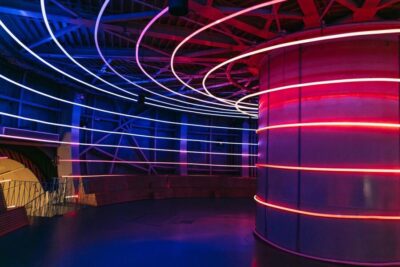
Atomium Entry Ticket with Design Museum Ticket
Read our review →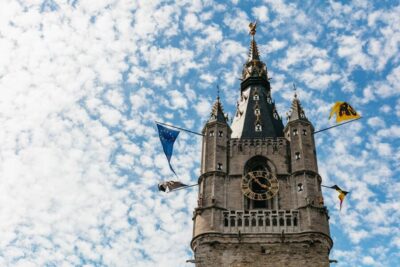
From Brussels: Guided Day Trip to Bruges and Ghent
Read our review →
From Brussels: Bruges & Ghent Day Tour – 2 Fairytale Cities
Read our review →
Choco-Story Brussels: Chocolate Museum Entrance with Tasting
Read our review →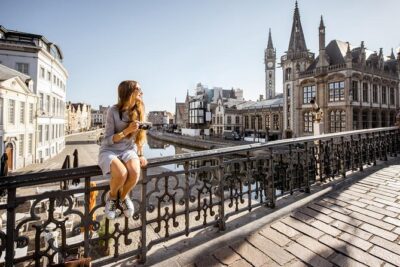
Bruges and Ghent – Belgium’s Fairytale Cities – from Brussels
Read our review →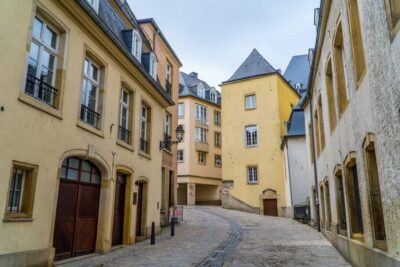
From Brussels: Luxembourg Tour with Dinant Visit
Read our review →
Hungry Mary’s Famous Beer and Chocolate Tour in Brussels
Read our review →Browse the lists this tour appears in