
Reviewed · BRUSSELS TOURS
Brussels: Fall and Rise of Art-Nouveau Guided Tour
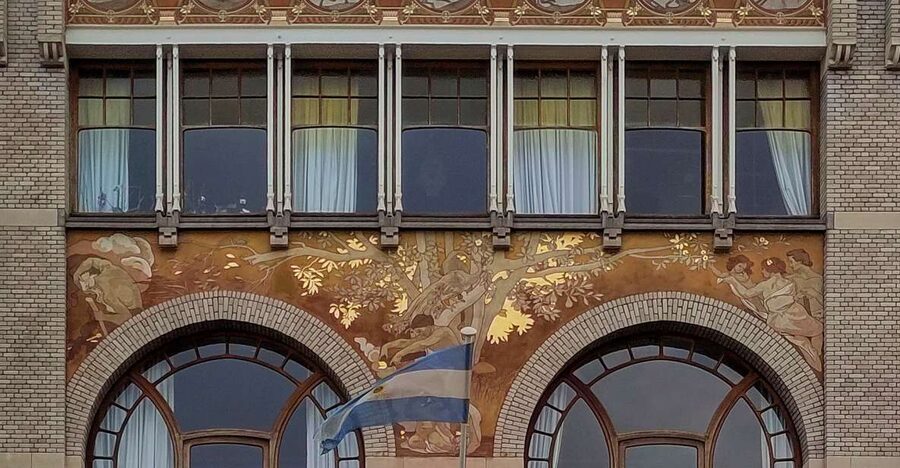
Brussels reveals its Art Nouveau best on foot, one façade at a time. This 150-minute walk leads through Saint-Gilles and Ixelles, two communes filled with late-19th-century houses, decorative details, and streets that feel more residential than touristy. You’ll learn how architects used sgraffito, then see the remains of Victor Horta’s Maison du Peuple.
I like the tour’s clear focus on building techniques, not just famous names. I also like the three-kilometer route, which gives you a useful look at Brussels beyond the central square without demanding a full day. The main consideration is language: the live guide speaks Spanish, so this is not the right choice if you need an English tour.
Key points
- Sgraffito explained in context: Learn how this layered wall decoration differs from fresco painting.
- Victor Horta’s Maison du Peuple: See surviving remains linked to one of Belgium’s great Art Nouveau architects.
- Saint-Gilles and Ixelles on foot: Walk through attractive residential streets beyond central Brussels.
- Three kilometers over 150 minutes: Expect a steady urban walk with time for explanations and questions.
- Spanish-speaking guidance: The tour is designed for Spanish speakers and includes extra audiovisual information.
- Rain matters: Bring an umbrella, raincoat, or poncho because the experience takes place outdoors.
Why Saint-Gilles and Ixelles are Brussels Art Nouveau country
Brussels has 19 communes, or municipal districts. Saint-Gilles and Ixelles contain some of the city’s finest surviving examples of Art Nouveau homes, especially from the period when architects began rejecting stiff historic styles and experimenting with flowing lines, plant forms, new materials, and decorative façades.
This tour is useful because it takes you into the city’s outer districts rather than keeping you around the best-known central sights. You’ll spend much of the walk looking upward and across quiet streets, where private homes and apartment façades reveal the style in everyday settings.
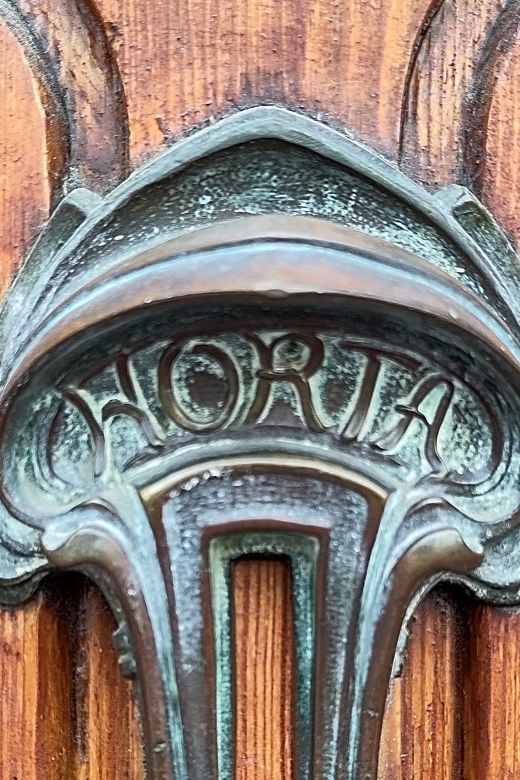
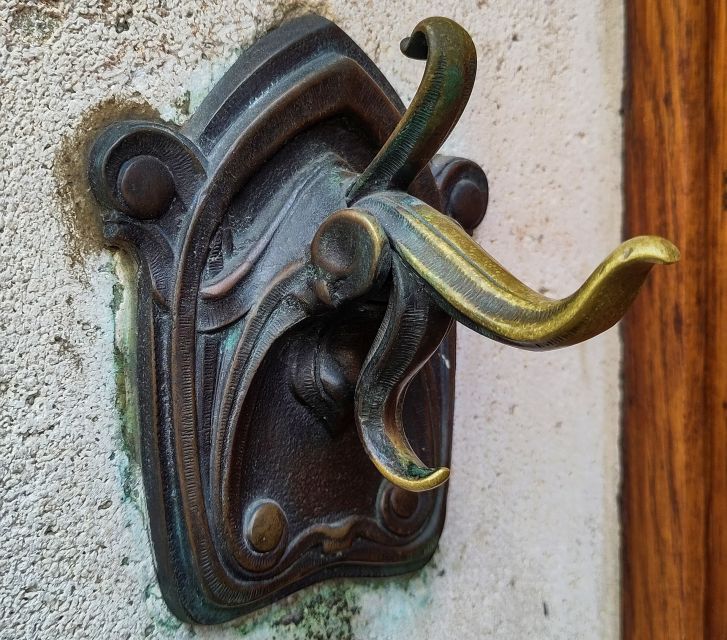
I find this setting more rewarding than a quick photo stop at one celebrated building. Art Nouveau works as a neighborhood style here. One doorway may show curved ironwork, another a sculpted plant motif, and another a colored decorative panel. The route lets you compare those choices as you go.
The streets themselves are part of the experience. You are not simply moving from one indoor attraction to another. You are walking through Brussels, with the practical tradeoff that weather and traffic can affect your comfort and the ease of seeing each façade.
A few more Brussels half-days to weigh up
- Brussels: Atomium Entry Ticket with Design Museum Ticket
★ 4.4 · 9,254 reviews - From Brussels: Guided Day Trip to Bruges and Ghent
★ 4.6 · 8,353 reviews - From Brussels: Bruges & Ghent Day Tour – 2 Fairytale Cities
★ 4.7 · 8,242 reviews
What to look for on a three-kilometer walk
The route covers about three kilometers and lasts 150 minutes. That is a relaxed pace for a city walk, but it is still enough distance to matter if you have sore feet, young children, or a packed schedule afterward.
You can expect the guide to lead you through the outskirts of Brussels while pointing out buildings and explaining the design choices behind them. The information is intended to turn decoration into something readable. Instead of seeing only a pretty façade, you learn why a surface looks layered, how an entrance was treated, or how an architect used materials to create movement.
The exact order of buildings is not provided, so you should think of this as a guided neighborhood walk rather than a fixed museum route. That is a benefit if you want a broader sense of Saint-Gilles and Ixelles, though it means you should not book it expecting entry into a long list of private interiors.
The guide also provides additional audiovisual information. That can help when a detail is hard to see from the pavement or when an architectural idea needs more than a quick explanation. Bring a phone if the provider gives you instructions for receiving extra material through the Curiositas Mundus Telegram channel.
Sgraffito, frescoes, and the details above eye level
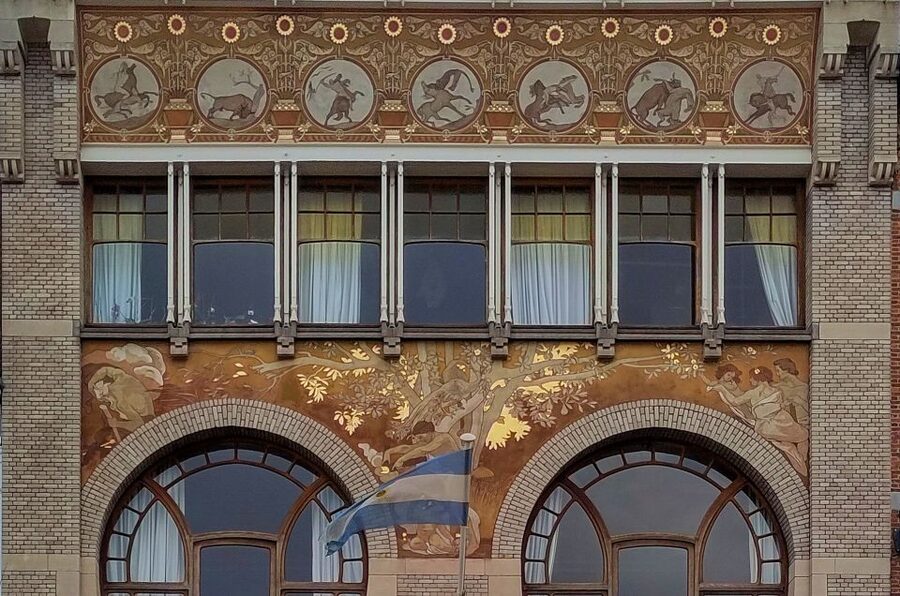
One of the most useful parts of the walk is the explanation of sgraffito. The technique uses layers of colored plaster. The upper layer is scratched or cut away to reveal the color beneath, creating decorative lines and patterns on the wall.
A fresco works differently. In a traditional fresco, pigment is applied to wet plaster, and the color becomes part of the plaster as it dries. Sgraffito depends on removing part of one surface to expose another, while fresco depends on painting into wet plaster.
That difference matters when you are studying Brussels façades. Art Nouveau decoration is not only about curved shapes and floral ideas. It is also about the way architects and craftsmen built color and texture into the exterior of a house.
You’ll want to look above the ground floor, where decorative panels can be easy to miss. A guide can show you how a building’s entrance, window surrounds, balconies, and wall panels work together. Without that explanation, you may photograph the overall design but miss the small technical choices that make the building special.
The tour’s focus on techniques also gives you a better way to remember what you see. Names and dates can blur together during a city break. A clear visual idea, such as recognizing scratched plaster or a particular treatment around a doorway, stays with you as you continue walking through Brussels.
Victor Horta’s Maison du Peuple and what remains
Victor Horta is one of the central figures in Belgian Art Nouveau. This walk includes the historical remains of his Maison du Peuple, giving you a chance to connect the neighborhood’s decorative houses with a major architect’s work.
The wording matters: you see remains, not a fully preserved building to explore room by room. Set your expectations accordingly. This is an outdoor look at what survives, paired with an explanation of its place in Brussels architecture.
The Maison du Peuple also gives the guide a useful way to discuss the early development of Art Nouveau. The tour raises the question of what counted as the first Art Nouveau house, then uses actual places in the city to show how the style developed.
You should not expect a long interior visit or an extensive museum presentation here. The value lies in seeing the surviving material in its urban setting and understanding how it fits into the city’s architectural story. If you have already visited the Horta Museum or plan to do so, this walk can add context by placing Horta’s work among other buildings in the surrounding districts.
Same city, a completely different way to spend a day:
- Choco-Story Brussels: Chocolate Museum Entrance with Tasting
★ 4.3 · 4,883 reviews - Bruges and Ghent – Belgium’s Fairytale Cities – from Brussels
★ 4.0 · 4,809 reviews - Brussels: Hop-On Hop-Off Bus Tour
★ 4.0 · 4,016 reviews - Brussels: Guided Walking Tour
★ 4.6 · 3,560 reviews
The streets are the real setting
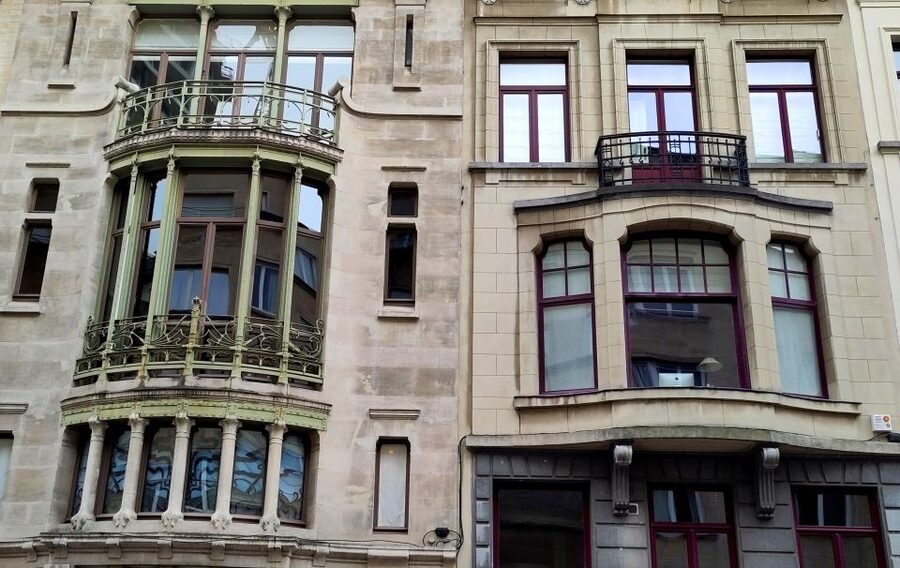
The route through Saint-Gilles and Ixelles is appealing because it shows Brussels as a lived-in city. You move along streets lined with homes rather than through a single monument complex. That creates a more ordinary rhythm, with architecture appearing as part of daily life.
I like this kind of sightseeing because the city does not have to perform for you. You see the façades where they belong, along streets used by local residents. The drawback is that exterior viewing depends on the light, weather, parked cars, and how much room there is to stop safely.
The guide’s explanations are especially helpful in a residential district. Several buildings may look similar at first, but small changes in ornament, structure, and surface treatment can reveal different design choices. You’ll get more from the route if you pause to compare rather than rushing from one address to the next.
The walk is also a good choice if you want a break from central Brussels. It offers a change of pace and a chance to see attractive streets that may not appear on a first-time visitor’s standard schedule. Just leave room in your day for the full two and a half hours, plus time to reach the starting point.
Meeting at Horta Metro station
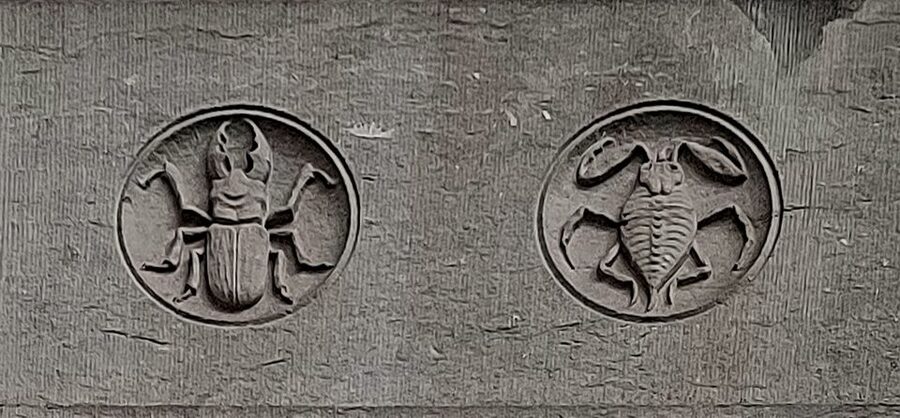
The meeting point is beside Horta Metro station, served by lines 3 and 4, on Chaussée de Waterloo near number 187. This is a practical starting point because you can reach it by public transport rather than arranging a taxi across the city.
Look for the guide wearing a Curiositas Mundus badge. The meeting point is specific, but you should still allow a little extra time to find the correct side of the street and identify the group before departure.
The tour is conducted in Spanish. That is an important booking decision, not a minor detail. If you understand Spanish comfortably, the live explanations and question time should make the walk much more useful. If you do not, the audiovisual material will not necessarily replace the guide’s spoken commentary.
One guide named Samuel received particular praise for explaining Art Nouveau clearly, answering questions patiently, and making the walk pleasant. Guide assignments can vary, so treat Samuel as a useful name to know rather than a guarantee that he will lead every departure.
Is $17 a fair price?
At $17 per person, the tour is priced reasonably for a 150-minute guided walk. You are paying for a focused explanation of Brussels architecture, a route through two important Art Nouveau districts, and extra audiovisual material.
The value is strongest if you would otherwise walk through Saint-Gilles and Ixelles without knowing what to look for. A self-guided stroll costs less, but you would need to research the buildings, identify the decorative techniques, and plan a route yourself. This experience puts those pieces together.
The price is less attractive if you want to enter several buildings, visit a museum, or see a large number of major city sights in a short time. It is an outdoor neighborhood tour, not an all-purpose Brussels sightseeing pass.
Flexible booking also helps if your schedule is uncertain. You can reserve and pay later, and cancellation is available up to 24 hours before the tour for a full refund. Check the available starting times before booking because the duration is fixed but departure times can vary.
Who will enjoy this Art Nouveau walk?
I would choose this tour if you have a real interest in architecture, design, or city neighborhoods. It also suits anyone who has already seen central Brussels and wants a more focused reason to visit another part of the capital.
Spanish-speaking visitors are the clearest audience. The tour’s technical subjects, including sgraffito and the development of Art Nouveau, are easier to appreciate when you fully understand the explanations.
The route can also work well for first-time visitors who want a guided introduction before exploring Brussels independently. Afterward, you’ll be better prepared to notice Art Nouveau details elsewhere in the city.
I would be cautious about booking if you dislike outdoor walking, need frequent indoor breaks, or have only a short window between major attractions. The walk covers three kilometers, and rain can make façade viewing less comfortable. Wheelchair access is available, but the experience remains a city walk, so it is sensible to confirm any personal mobility needs when reserving.
Practical tips for getting more from the walk
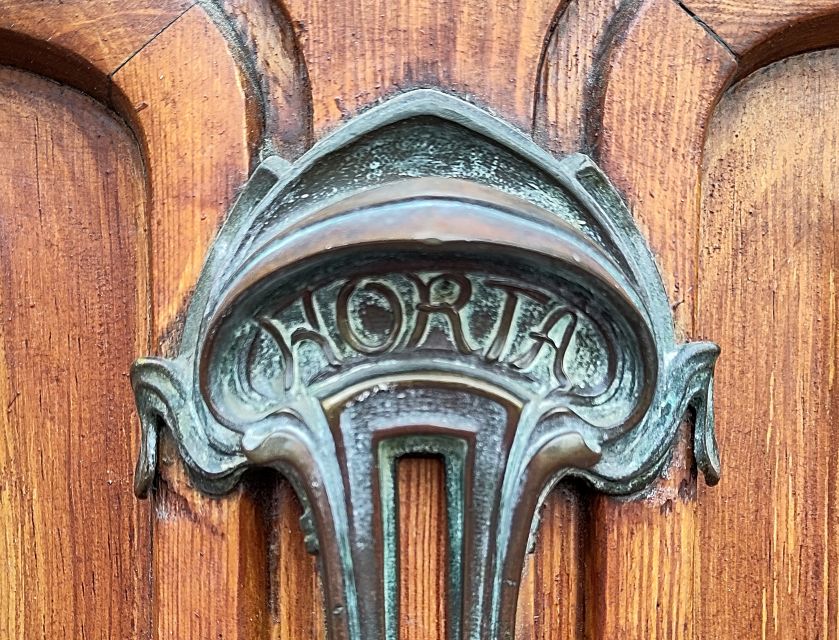
Wear comfortable shoes. Three kilometers is not extreme, but the tour lasts 150 minutes and includes repeated stops, pavement walking, and time spent looking up at façades.
Bring rain protection. The instructions specifically recommend an umbrella, raincoat, or poncho. Brussels weather can change quickly, and the tour does not become an indoor experience simply because the sky turns gray.
Keep your eyes moving. Look at the whole building first, then study the doorway, windows, balconies, wall panels, and upper floors. Art Nouveau decoration often rewards a second look.
Use the question time. One of the strengths of a live walk is the chance to ask about a detail you do not understand. Samuel was especially praised for giving clear answers, and the tour’s subject is much easier to grasp when you connect the explanation to a building directly in front of you.
Join the Curiositas Mundus Telegram channel if you want the extra content offered during the tour. That material may help you remember the techniques and buildings after the walk is over.
Should you book the Brussels Art Nouveau tour?
Book it if you want a focused, affordable architecture walk in Spanish, especially if sgraffito, Victor Horta, and residential Art Nouveau interest you. The clear explanations, three-kilometer route, and visit to the remains of Maison du Peuple give the experience a distinct purpose.
Skip it if you need English guidance, want substantial interior access, or prefer a short central-city tour. For the right audience, $17 is a sensible price for two and a half hours of expert-led street viewing. Bring rain gear, meet beside Horta Metro station, and give the façades time to reveal their details.
FAQ
Where does the Art Nouveau tour meet?
The meeting point is next to Horta Metro station on lines 3 and 4, on Chaussée de Waterloo near number 187.
How long does the tour last?
The guided walk lasts 150 minutes, or two and a half hours.
How far does the route go?
The tour covers approximately three kilometers through the outskirts of Brussels.
Which parts of Brussels does the tour visit?
The route focuses on Saint-Gilles and Ixelles, two Brussels communes with many Art Nouveau buildings.
What language is the live tour in?
The live guide speaks Spanish.
Is the tour wheelchair accessible?
Yes, the activity is listed as wheelchair accessible.
Does the tour include entry to buildings?
The supplied information describes a guided walking tour and does not list interior admission to buildings.
What is sgraffito?
Sgraffito is a decorative technique in which part of a surface layer is scratched or removed to reveal a layer beneath it.
Does the tour discuss Victor Horta?
Yes. The route includes the historical remains of Victor Horta’s Maison du Peuple.
What should I bring?
Bring an umbrella and rain gear. A raincoat or poncho is also recommended in case of wet weather.
Just added around Brussels
- Private Tour – Bruges and Ghent, our fairytale cities★ 5.0 · 3 reviews
- Private Day Trip from Brussels to Bruges★ 4.5 · 3 reviews
- Bruxelles: Photoshoot Experience★ 4.4 · 3 reviews
- Leuven: City Walk with Audio Guide in 7 Languages on your Phone★ 3.0 · 3 reviews
- Private Arrival Transfer from Brussels Airport to Bruges with Business car★ 5.0 · 3 reviews
- Brussels: Express Walk with a Local in 60 minutes★ 5.0 · 3 reviews
- 2 Hour Beer Tasting with Local Beer Sommelier in Brussels★ 5.0 · 3 reviews
- Floating in the clouds★ 5.0 · 3 reviews
Brussels Tours, compared.

Atomium Entry Ticket with Design Museum Ticket
Read our review →
From Brussels: Guided Day Trip to Bruges and Ghent
Read our review →
From Brussels: Bruges & Ghent Day Tour – 2 Fairytale Cities
Read our review →
Choco-Story Brussels: Chocolate Museum Entrance with Tasting
Read our review →
Bruges and Ghent – Belgium’s Fairytale Cities – from Brussels
Read our review →
From Brussels: Luxembourg Tour with Dinant Visit
Read our review →
Hungry Mary’s Famous Beer and Chocolate Tour in Brussels
Read our review →Browse the lists this tour appears in