
Reviewed · BRUSSELS TOURS
1.5h Belgian Chocolate Workshop in Brussels (bean to bar)
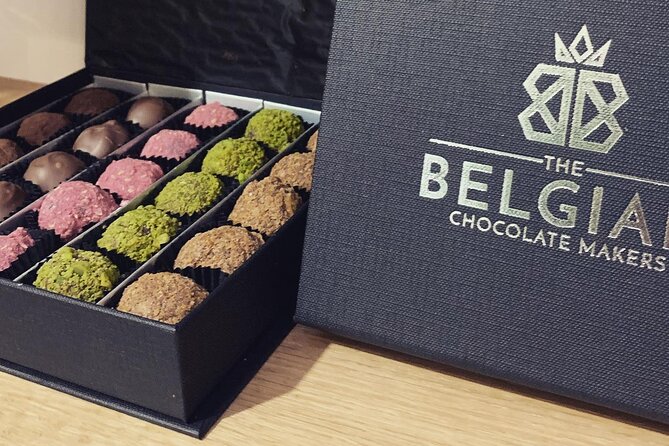
The best part of this Brussels workshop is that you make real chocolate creations instead of simply watching a demonstration. A certified Belgian chocolatier leads you through cacao tasting, tempering, molding, decorating, and packing your own truffles, mendiants, and chocolate bar.
I like the clear bean-to-bar lesson, with raw cacao beans, cacao liquor, pod juice, and several chocolate types to taste. I also like the take-home box, which gives the $76.19 price more purpose than a standard factory tour. The main thing to know is that this is an introductory workshop, not a full course in turning cacao beans into chocolate. Much of the chocolate is prepared in advance.
The class is friendly for families and first-timers, and instructors such as Patricia and Elisabetta get especially good marks for clear teaching and warm humor. But plan carefully: you check in at Place de la Justice 5, then walk to the workshop, and the class can run in a cool room. Arrive early, since the group leaves the desk on time.
Key points before you book
- Taste cacao at several stages: Try cacao pod juice, raw beans, cacao nibs, pure cacao liquor, and finished chocolate.
- Make three types of treats: You create mendiants, truffles, and a personalized chocolate bar for your gift box.
- Learn a real chocolate technique: Watch tempering on a marble table and practice molding and decorating.
- Expect an introductory class: You shape and finish prepared chocolate rather than processing beans from scratch.
- Choose VIP for extras: The upgrade includes a glass of champagne and an embroidered logo apron.
- Use the same-day shopping perk: You receive 20% off the company’s full chocolate collection in-store.
What this Brussels chocolate workshop really teaches
Belgian chocolate has a polished reputation, but it is easy to experience it only as a box of pralines behind glass. This class gives you a little more context. You begin with the cacao plant and work forward toward the chocolate sold in Brussels shops.
The bean-to-bar idea matters here. You get to hold a fresh cacao pod, taste raw beans straight from the fruit, and sample cacao from several origins. You also taste cacao pod juice, sometimes called mucilage, along with cacao nibs and pure cacao liquor.
That last item can cause confusion. Cacao liquor contains no alcohol. It is the natural paste made from ground cacao, and its taste is intense, bitter, and far removed from the sweet chocolate you may expect.
This tasting sequence is one of the strongest parts of the activity because it shows how much work happens before chocolate becomes smooth and sweet. You can compare the raw material with dark, milk, and white chocolate, and get a useful lesson in how different forms and percentages affect taste.
The workshop uses organic cacao sourced from small farmers with a fully traceable origin. That adds a useful point about sourcing and sustainability without turning the class into a lecture. You learn where cacao comes from and how it changes along the way.
More Chocolate Tastings in Brussels
- Hungry Mary’s Famous Beer and Chocolate Tour in Brussels
★ 5.0 · 2,258 reviews - Brussels: Belgian Chocolate Making Workshop with Tastings
★ 4.7 · 1,629 reviews - Brussels: 2.5-Hour Belgian Chocolate Making Workshop
★ 4.8 · 933 reviews
From Place de la Justice to the chocolate lab
Your listed meeting point is The Belgian Chocolate Makers booking desk at Place de la Justice 5, 1000 Brussels. This is not necessarily the room where you do the practical work.
After check-in, the group is led to the workshop location. Allow extra time for this short transfer, and do not arrive at the last second. The group leaves the desk promptly, so a late arrival could mean trying to catch up with the class.
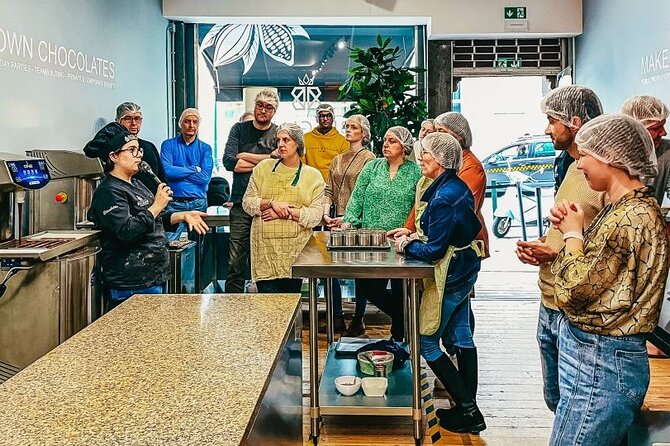
The workshop takes place in a new, 170-square-meter training center. It is air-conditioned, fully equipped, and can hold up to 60 people. That maximum is worth noting. A small group can feel personal, while a full session will feel more like a guided class with several people working at once.
Some sessions have been much smaller, including groups of six or ten. You cannot count on that size, but it explains why the experience can sometimes feel relaxed and individualized. At full capacity, you should expect less one-on-one attention.
There may also be stairs on the walk to the work area. The site has a disabled-access toilet, and service animals are allowed, but anyone with mobility concerns should contact the provider before booking and ask about the exact route.
The cacao tasting: raw, bitter, and useful
The early tasting is not designed to satisfy your sweet tooth right away. Raw cacao beans are notably bitter, and pure cacao liquor is powerful. One practical tip is to bring water into your expectations, since there can be a stretch after the raw cacao tasting before the class moves on to more familiar chocolate.
You taste several premium cacao origins from different countries. The point is not to memorize every origin, but to notice that cacao has its own range of flavors before sugar, milk, roasting, and processing shape the finished product.
The fresh cacao pod is another memorable touch. Seeing and holding the fruit makes the ingredient less abstract. Chocolate does not begin as a neat bar or glossy truffle. It begins inside a tropical fruit, surrounded by pulp and seeds.
This section also helps explain the limits of the activity. You are learning the path from cacao plantation to chocolate shop, but you are not carrying out every industrial or professional step yourself. Roasting, grinding, refining, and other production work are explained rather than completed by each participant.
Tempering on marble, then making your own bar
The practical portion centers on prepared Belgian chocolate and basic chocolatier techniques. One highlight is tempering on a marble table, a classic method used to give chocolate a smooth finish and a clean snap.
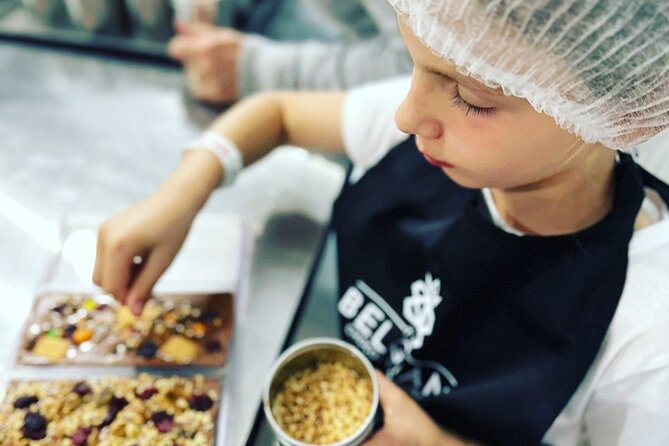
The instructor demonstrates the process, then guides you as you work with melted chocolate. You fill a mold for your personalized bar and add your choice of toppings. This is hands-on, but it is best understood as shaping and finishing chocolate, not creating it from raw cacao beans.
That distinction is important. If you expect to roast beans, grind them, adjust the recipe, and produce chocolate from the start, you may find the class too light. If you want an approachable introduction to chocolate making, the format is easier to enjoy.
The 90-minute length works well for a holiday activity or a break between sightseeing stops. It gives you enough time to learn, taste, create, and clean up without taking over an entire day. In smaller groups, the session may finish closer to 75 minutes, so do not rely on the full 90 minutes if you are planning a tight connection afterward.
Same city, a completely different way to spend a day:
- Brussels: Atomium Entry Ticket with Design Museum Ticket
★ 4.4 · 9,254 reviews - From Brussels: Guided Day Trip to Bruges and Ghent
★ 4.6 · 8,353 reviews - From Brussels: Bruges & Ghent Day Tour – 2 Fairytale Cities
★ 4.7 · 8,242 reviews - Choco-Story Brussels: Chocolate Museum Entrance with Tasting
★ 4.3 · 4,883 reviews
Mendiants, truffles, and chocolate shapes
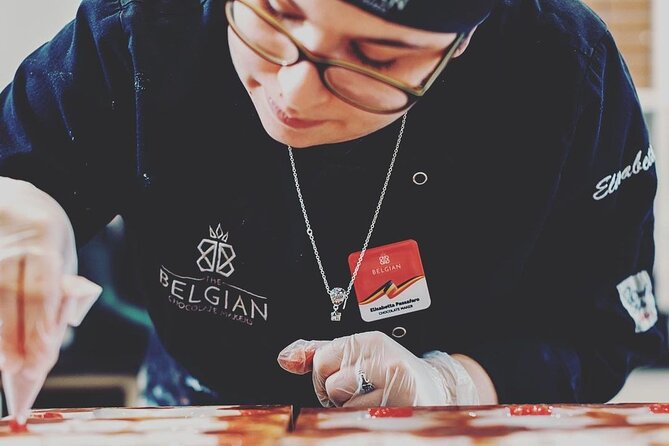
You make three main types of treats. The first is a set of mendiants, small chocolate rounds decorated with toppings. They are simple to produce but give you plenty of room to make each piece look different.
Next comes the chocolate bar. You personalize it with toppings and prepare it for later packing. The bar is an easy souvenir because it travels better than a delicate plated dessert and clearly shows what you made.
The truffle activity is slightly different. You work with prepared truffles, dip them in chocolate, and roll or coat them with options such as coconut or chocolate powder. This gives you the feel of finishing a confection without requiring the more technical work of making the filling from raw ingredients.
That is where expectations matter most. The workshop creates a satisfying range of treats, but it does not turn you into a professional chocolatier in an afternoon. You get a guided craft activity, a little technique, and plenty of edible results.
The finished pieces are placed in a gift box to take home. The amount can feel generous for a 90-minute session, especially if you are traveling with children or want a souvenir you can share later.
Patricia, Elisabetta, and the value of a good instructor
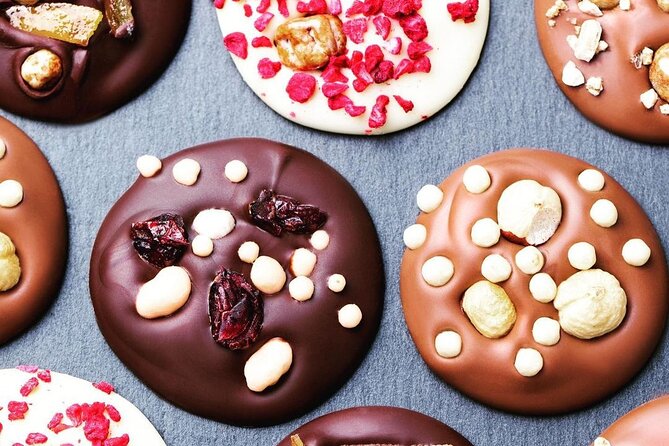
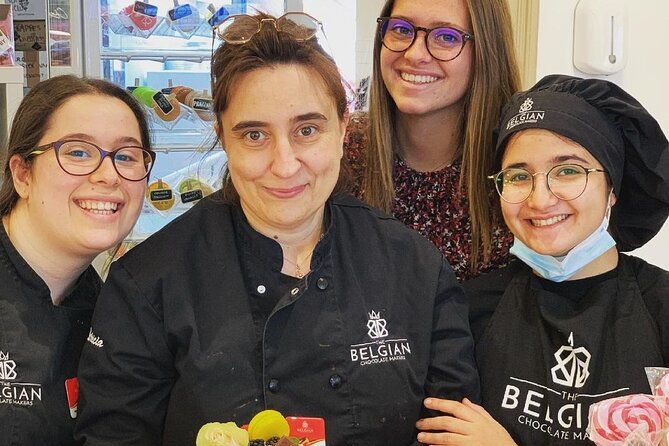
The instructor makes a large difference in a workshop like this. Patricia is frequently praised for making the class clear, warm, and fun, while also handling families and children well. She has guided participants through both the tasting and the practical work, and she is comfortable answering questions as they arise.
Elisabetta is also noted for giving detailed explanations. If you enjoy understanding the reasons behind each step, an instructor who takes time with technique and cacao origins adds real value.
The class is offered in English. One particularly nice touch is the welcoming tone around language, with Patricia even helping a participant practice French while teaching in conversational English. That makes the experience easier for international visitors who may not be fluent in either language.
The teaching style appears to favor simple explanations, demonstrations, and quick practice. You will not sit through a long technical seminar. Instead, the lesson keeps moving between tasting and making, which helps children stay involved.
Families can do well here, but the chocolate’s flavor may not suit every child. One session was described as using mostly dark chocolate, although the provider says milk chocolate is also offered. If your children strongly prefer sweet milk chocolate, ask about the available chocolate before you begin.
Is the VIP upgrade worth it?
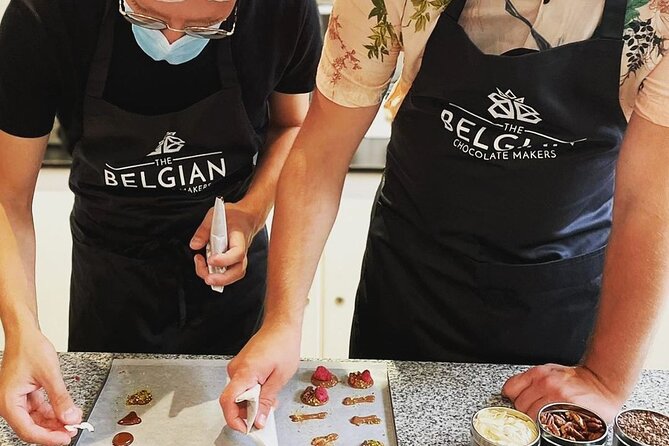
The standard experience includes the workshop and your chocolate creations, but not an apron. The VIP option adds a welcome glass of champagne and an embroidered apron with the company logo.
I see the upgrade as a modest souvenir choice rather than a major change to the class. The champagne makes the opening feel more festive, especially for a birthday, anniversary, or Christmas activity. The apron is useful during the workshop and gives you something tangible to keep afterward.
The champagne may also be welcome after the bitter raw cacao tasting, but do not treat it as a substitute for water. The site has water dispensers, and you should use them.
If you simply want to make chocolate at the lowest cost, the standard option is enough. If you enjoy small extras and want a wearable reminder of the experience, VIP is easier to justify. One practical point: the included apron applies only to the VIP upgrade, so do not assume the standard booking comes with one.
Price, timing, and what you take home
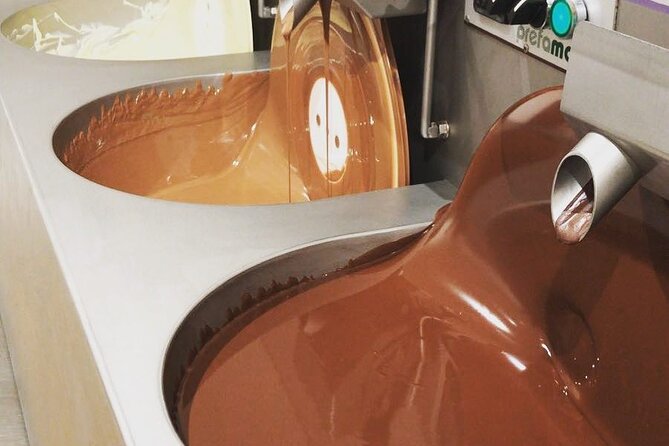
At $76.19 per person, this is not a cheap drop-in activity. You are paying for an English-language guided class, cacao education, tastings, ingredients, equipment, staff, and a box of handmade chocolate to take away.
The value depends on what you want from a chocolate experience. Compared with a simple tasting, this offers much more participation and a useful souvenir. Compared with a professional cooking course, it provides less technical production and less control over the chocolate-making process.
I would consider the price fair for chocolate lovers who value the lesson and the take-home box. I would be more cautious if your main goal is to make chocolate from the bean itself. The class is best compared with a polished food workshop, not a factory tour or a full culinary qualification.
Three sessions run each day at 11 AM, 2 PM, and 5 PM. The schedule makes it easy to fit around Brussels sightseeing, and the 5 PM option can work well as an early evening activity. Since the experience is often reserved well ahead of time, book early if you need a particular day or session.
Afterward, you receive 20% off the entire chocolate collection in-store. That can improve the value if you want to buy gifts, but keep in mind that the discount may encourage you to leave with more chocolate than planned.
Practical details for families, allergies, and comfort
The workshop is suitable for children, and instructors have been praised for keeping younger participants involved. Kids get to taste, decorate, and make shapes, rather than simply watching an adult work.
Still, chocolate can get messy. Wear clothes you do not mind splashing or staining, and expect to receive and wear a hairnet. Hairnets are provided and required during the workshop.
The room is air-conditioned and can feel cool. A light layer is sensible, even if Brussels is warm outside. Water dispensers and a disabled-access toilet are available at the training center.
The activity is not suitable for severe food allergies. If you have a less serious allergy or dietary concern, speak with the provider before booking. One participant with food allergies received help with labeling containers, but you should not assume every concern can be accommodated.
The maximum group size is 60 people. The class may be small, but you should prepare for a group setting rather than a private lesson.
The 20% shop discount and your chocolate box
The take-home box is one of the most satisfying parts of the experience. You pack your own bar, mendiants, and truffles, so the souvenir has a personal link to the afternoon rather than being another factory-made purchase.
The chocolates may not look perfectly uniform, and that is part of the charm. You are learning to work with chocolate, not producing a display case full of identical pieces.
The 20% shop discount is useful if you want to compare your creations with the company’s finished collection. It also gives you a chance to buy gifts while the bean-to-bar lesson is still fresh in your mind.
Plan for transport in warm weather. The available information does not specify special packaging or storage arrangements, so keep the chocolate protected from heat during the rest of your day.
Who should book this experience?
I would recommend it to:
- First-time chocolate makers who want clear instruction without a long course
- Couples looking for a hands-on Brussels activity
- Families with children who enjoy tasting and decorating
- Chocolate fans curious about cacao before it becomes a finished bar
- Visitors wanting an edible souvenir they make themselves
- Anyone with a rainy afternoon or a spare hour and a half
I would be more careful recommending it to serious food hobbyists who want to process cacao from bean to finished chocolate. You will learn about that journey, but your personal work begins with prepared chocolate.
It also may not suit people with severe food allergies, those who dislike dark chocolate, or anyone who wants a quiet private lesson. The class is social, hands-on, and occasionally messy.
Should you book the Belgian Chocolate Workshop?
Book it if you want more than a chocolate tasting and like the idea of making several treats you can carry home. The best reasons are the cacao tasting, the marble-table tempering demonstration, the variety of creations, and instructors such as Patricia and Elisabetta who keep the lesson approachable.
Skip it if you expect to make chocolate completely from raw beans or if $76.19 feels too high for a guided introductory activity. Before booking, confirm the chocolate types available, ask about the route from the booking desk to the workshop if stairs are a concern, and choose VIP only if champagne and the embroidered apron matter to you.
For most chocolate lovers, this is a well-paced Brussels activity with a useful balance of tasting, learning, and making. Just arrive early, wear washable clothes, and keep your expectations focused on finishing Belgian chocolate rather than producing it from the cacao pod.
FAQ
Where does the chocolate workshop begin?
You begin at The Belgian Chocolate Makers booking desk at Place de la Justice 5, 1000 Brussels, Belgium.
Does the workshop finish at the meeting point?
Yes. The activity ends back at the meeting point.
How long does the chocolate workshop last?
The scheduled duration is approximately 1 hour and 30 minutes. A small group may finish sooner.
What do I make during the class?
You make a personalized chocolate bar, mendiants, and truffles, then pack your creations in a gift box to take home.
Is the workshop offered in English?
Yes. The workshop is offered in English.
Is an apron included?
An apron is included only with the VIP upgrade. The VIP option also includes a glass of champagne and an embroidered apron with the company logo.
Is the workshop suitable for people with severe food allergies?
No. The activity is not suitable for severe food allergies.
Can I cancel the booking for a full refund?
You can cancel at least 24 hours before the experience start time for a full refund. Cancellations or changes made less than 24 hours before the start time are not accepted for a refund.
More Drinking Tours in Brussels
- Brussels: Pub Crawl and Nightlife Party Experience
★ 4.5 · 1,501 reviews - Belgian Beer Tasting in Brussels
★ 5.0 · 1,280 reviews - Brussels 2.5-Hour Belgian Beer Tasting Experience
★ 4.7 · 932 reviews - Marc’s Brussels Beer Tasting Tour
★ 4.5 · 645 reviews
More Dessert Tours in Brussels
- Brussels: 2.5-Hour Chocolate Museum Visit with Workshop
★ 4.6 · 1,263 reviews - Brussels: Historical Walking Tour with Chocolate & Waffle Tasting
★ 5.0 · 1,165 reviews - Brussels Chocolate Walking Tour and Workshop
★ 4.5 · 885 reviews - Brussels: Historical Tour with Chocolate & Waffle Tasting
★ 4.8 · 642 reviews
Just added around Brussels
- Private Tour – Bruges and Ghent, our fairytale cities★ 5.0 · 3 reviews
- Private Day Trip from Brussels to Bruges★ 4.5 · 3 reviews
- Bruxelles: Photoshoot Experience★ 4.4 · 3 reviews
- Private Arrival Transfer from Brussels Airport to Bruges with Business car★ 5.0 · 3 reviews
- Leuven: City Walk with Audio Guide in 7 Languages on your Phone★ 3.0 · 3 reviews
- Brussels: Express Walk with a Local in 60 minutes★ 5.0 · 3 reviews
- 2 Hour Beer Tasting with Local Beer Sommelier in Brussels★ 5.0 · 3 reviews
- Floating in the clouds★ 5.0 · 3 reviews
Brussels Tours, compared.

Atomium Entry Ticket with Design Museum Ticket
Read our review →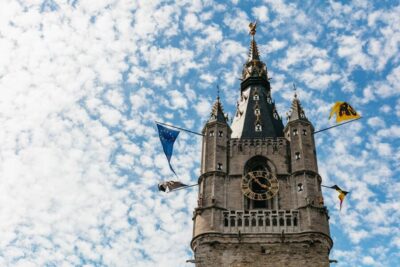
From Brussels: Guided Day Trip to Bruges and Ghent
Read our review →
From Brussels: Bruges & Ghent Day Tour – 2 Fairytale Cities
Read our review →
Choco-Story Brussels: Chocolate Museum Entrance with Tasting
Read our review →
Bruges and Ghent – Belgium’s Fairytale Cities – from Brussels
Read our review →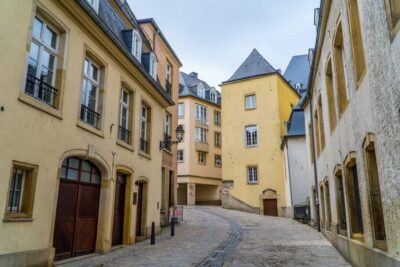
From Brussels: Luxembourg Tour with Dinant Visit
Read our review →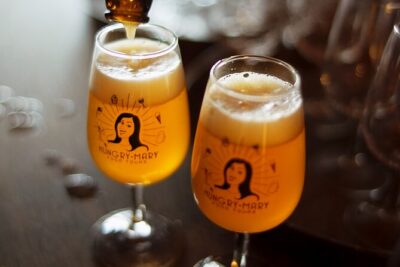
Hungry Mary’s Famous Beer and Chocolate Tour in Brussels
Read our review →Browse the lists this tour appears in