
Reviewed · BRUSSELS TOURS
Brussels: Guided Walking Tour
Brussels reveals itself best on foot, one square, alley, and grand facade at a time. This 150-minute guided walk links the medieval Lower City with the royal Upper City, giving you a useful first look at how Brussels grew from a trading town into Belgium’s capital.
I like the clear split between Lower City and Upper City, which makes the city’s development easier to follow. I also like the practical side: your guide can point you toward good-value chocolate, local beer, bars, restaurants, and public transport. The main drawback is simple: it is a long walk, and cold, rain, street noise, crowds, or a large group can affect how easily you hear the commentary.
Key points to know
- A two-part route: The Lower City covers medieval streets, the Grand Place, Saint-Géry, and Manneken Pis, while the Upper City focuses on royal power, grand arcades, and the cathedral.
- Chocolate is included: You taste Belgian chocolate and receive advice on finding good chocolate at a sensible price.
- Useful local advice: Guides can help with restaurants, waffles, fries, beer, nightlife, museums, and public transport.
- Strong guide personalities: Ian, Christophe, Liam, Patrick, and other guides are praised for humor, storytelling, patience, and personal recommendations.
- A solid first-day choice: The tour gives you a city overview before you return to favorite areas on your own.
- Accessible and flexible: The walk is wheelchair accessible, offered in English, French, and Spanish, and allows cancellation up to 24 hours before departure.
Why this Brussels walk works well on a first visit
Brussels can feel slightly confusing at first. The city center shifts quickly from ornate guildhouses to narrow lanes, from busy tourist streets to quiet royal squares. This tour gives those changes a simple structure instead of presenting one monument after another with no connecting thread.
The guide divides the walk into two broad areas. The Lower City grew around trade, craft, food, waterways, and daily commerce. The Upper City reflects royal authority, government, churches, and the world of wealthy merchants. That contrast gives you a useful way to read the city after the tour ends.
I would book this early in a Brussels stay. You will see many central sights, learn where the main districts sit, and collect suggestions for the rest of your visit. Several guides also hand out or share lists of places to eat and drink, which can save you from choosing a mediocre restaurant near the busiest tourist streets.
The price is $23 per person. For two and a half hours with a live guide, a central route, and a chocolate tasting, I consider that good value, especially if you are new to Brussels. It is not a substitute for a museum visit or a detailed architectural tour, but it is an efficient way to get your bearings and understand the city’s main story.
More Walking Tours in Brussels
- Brussels: Historical Walking Tour with Chocolate & Waffle Tasting
★ 5.0 · 1,165 reviews - Brussels Walking and Tasting Tour (Beers,Chocolates&Fries/Waffle)
★ 5.0 · 929 reviews - Brussels Chocolate Walking Tour and Workshop
★ 4.5 · 885 reviews
Meeting at Grand Place and reading the city’s showpiece
The tour begins at Grand Place, in front of the City Hall. Look for the white Bravo Discovery umbrella. This is a busy square, so arrive with enough time to locate the guide rather than wandering around at the last minute.
Grand Place is the natural starting point. It gives you an immediate sense of Brussels at its most theatrical, with ornate buildings surrounding a broad historic square. Your guide explains the power of merchants and the role of the buildings around the square, helping you see more than a pretty backdrop for photographs.
I especially value the attention given to the details of the buildings. The square is easy to photograph in a few minutes, but a guide can explain why its facades look so different and how commerce shaped the center. You will likely return here later, perhaps in different light, with a better idea of what you are looking at.
The square can be noisy and crowded, particularly during busy periods or seasonal markets. Stay close enough to hear, and do not assume every part of the commentary will be equally easy to catch. One useful feature of the guides is their willingness to keep the walk conversational and involve people rather than simply speaking at the group.
The Lower City: trade, waterways, and Brussels folklore
From Grand Place, the route moves through the Lower City. This part of Brussels feels more closely tied to the old working city, with streets and sites connected to trade, public life, food, and local stories.
You visit the Everard t’Serclaes monument on Charles Buls street. Your guide also explains the story and meaning of Manneken Pis, the small but famous statue that has become one of Brussels’ most recognizable symbols. The stop is brief in physical size, but it opens the door to the city’s fondness for humor, tradition, and slightly irreverent folklore.
The route continues along Manneken Pis and Grands Carmes street, then through Marché au Charbon street. These streets help show how the center is not just one grand square. Brussels is also a collection of lanes, corners, and smaller public spaces where the character of the city is easier to feel.
You also pass the Covering of the Senne, Riches Claires street, Grande Île street, and Saint-Géry Island. These names connect to the old urban shape of Brussels and its waterways. The Senne was covered as the city changed, and the route uses that story to explain why modern Brussels does not always reveal its earlier form at street level.
Saint-Géry is useful for understanding the city’s older core beyond the postcard sights. I like this portion because it adds context to the famous attractions. Manneken Pis alone is a quick photograph. Manneken Pis within a story about Brussels’ humor and civic identity becomes a more memorable stop.
One practical point: the Lower City section includes busy streets and changing surfaces. Wear shoes you can walk in for at least two and a half hours. The route is listed as wheelchair accessible, but street conditions, crowds, and the pace of the group can still shape how comfortable the walk feels.
The Upper City: royal power and grand civic spaces
The Upper City has a different feel. Here, the route turns toward the cathedral, royal buildings, parks, museums, and the architectural language of authority. The change from the merchant-oriented Lower City to this more formal district is one of the tour’s best teaching tools.
You see the Galeries Royales St Hubert, an elegant covered arcade linked with shopping, chocolate, and city life. This is also an important stop for understanding the power of merchants. The gallery feels polished and grand, yet it remains part of the practical city, with places to browse and pause.
The route includes Mort Subite, a well-known Brussels bar. The tour does not include drinks, but the stop fits the practical approach. Your guide can explain where local beers and bars fit into the city’s social life and suggest places to return after the walk.
The group then continues toward the Cathedral of St. Michael and St. Gudula. The itinerary includes an interior visit, with attention to the stained glass windows, the Chapel of the Blessed Sacrament, and the pulpit. This is one of the tour’s more substantial interiors, giving you a chance to step out of the street and see Brussels’ religious heritage up close.
The cathedral stop adds balance. The route is not only about food, shopping, royal buildings, and amusing statues. You also get a sense of the institutions that shaped the city and the visual weight of its churches.
You continue through the Royal Park, past the Royal Palace and Royal Square, and toward the Palace of Coudenberg. These sites show Brussels as a center of monarchy and government. The Royal Palace is especially useful as part of the city’s present-day civic picture, while Coudenberg points to earlier layers of royal power.
The Upper City may feel less intimate than the Lower City. Its broad spaces and formal buildings can seem more imposing, and the route may require you to keep moving to cover the ground. Still, the contrast is worthwhile. You are not simply seeing separate attractions. You are learning why different parts of central Brussels look and feel so unlike one another.
Same city, a completely different way to spend a day:
- Brussels: Atomium Entry Ticket with Design Museum Ticket
★ 4.4 · 9,254 reviews - From Brussels: Guided Day Trip to Bruges and Ghent
★ 4.6 · 8,353 reviews - From Brussels: Bruges & Ghent Day Tour – 2 Fairytale Cities
★ 4.7 · 8,242 reviews - Choco-Story Brussels: Chocolate Museum Entrance with Tasting
★ 4.3 · 4,883 reviews
Guides who make the history easier to follow
This tour depends heavily on the individual guide. The guide languages are English, French, and Spanish, and the named guides praised for their approach include Ian, Christophe, Liam, Patrick, Carolina, and Mafalfa.
Ian is repeatedly described as funny, animated, and easy to understand. He is also praised for giving history, context, and practical advice without making the walk feel like a lecture. Christophe is noted for warmth, humor, personal energy, and strong storytelling. On one occasion, he even ended with a poem, which gives you a sense of how personal some guides make the experience.
Liam is praised for enthusiasm and patience, including handling a family whose young child became upset during part of the walk. Patrick is singled out for making conversation with the whole group and sharing small details that are easy to miss when walking alone. Carolina is described as ready to answer questions across a wide range of subjects.
These details matter because a walking tour can succeed or fail on delivery. The route itself is central and worthwhile, but an engaging guide helps you stay focused when the weather is poor or the streets are loud. Several outings continued through rain, wind, freezing temperatures, city marches, or strikes, with guides adjusting their approach when needed.
There are limits. A group can be larger than expected, with one report mentioning about 22 people. Large groups make it harder to hear and can slow the route at crowded sights. Other departures may be small, which allows more conversation and gives the guide room to tailor suggestions to your interests.
The language setup also deserves attention. English, French, and Spanish are offered, but the exact makeup of a departure can vary. If a Spanish departure has too few people, you could find yourself joining an English group. One participant was accommodated kindly in that situation, but clearer communication before the start would have made the change easier.
Chocolate tasting and the practical side of Brussels
The included Belgian chocolate tasting is modest but useful. Think of it as an introduction, not a full chocolate workshop or a dedicated tasting tour. The value comes from pairing the sample with advice on where to buy good chocolate without paying only for a famous name.
Guides also point you toward waffles, fries, beer, bars, restaurants, museums, attractions, nightlife, and public transport. This is where the experience earns its place in a short Brussels visit. You can ask specific questions and receive guidance based on the sort of afternoon or evening you want.
I would keep a note on your phone during the walk. The tour covers many locations, and it is easy to forget a bar or chocolate shop recommendation by the time you reach the final stop. Ask about the places that interest you most rather than trying to collect every suggestion.
The food advice is not a reason to skip a specialist chocolate or beer tour if that is your main goal. It is a useful bonus within a broader city walk. You get a taste, some buying advice, and a clearer idea of what to seek out later.
Timing, comfort, and what to bring
The stated duration is 150 minutes, though some departures have run closer to three hours. That variation can be welcome if you enjoy a relaxed pace and plenty of questions, but it matters if you have a train, museum reservation, or dinner booking immediately afterward.
Allow extra time after the advertised finish. The route covers a lot, and the guide may continue if the group is engaged. I would avoid scheduling anything that begins less than 30 minutes later, especially if you need to cross the city.
The tour is offered at different starting times, so check availability for your date. The meeting point is central and easy to pair with other sightseeing, but the route itself is entirely about walking. Tram and bus tickets are not included, and museum tickets are also separate.
Dress for Brussels rather than for a photo. Recent departures have faced icy wind, freezing temperatures, rain, and noise from city events. Comfortable shoes, a waterproof layer, and something warm will make a real difference. The guide may keep a good pace, but the weather is outside anyone’s control.
The listed wheelchair accessibility is encouraging, though a historic center can include crowded streets and uneven sections. If you need specific route support, contact the provider before booking so the guide can understand your needs.
Who should book this tour
I would choose this walk for a first visit to Brussels, a short city break, or the first morning of a longer stay. It is especially useful if you want history with humor rather than a formal lecture, and if restaurant and beer advice matters as much as monuments.
Families can enjoy it because the route includes visual highlights, short stories, and the chocolate stop. The guides have shown patience with children, but two and a half hours is still a long stretch for a young child. Solo visitors may also appreciate the welcoming, conversational approach.
History fans should find enough context to make the major sights more meaningful, though the tour moves across a broad area and does not provide a specialist study of any one building. People with limited mobility should confirm how the specific departure will handle crowds and surfaces, even though the activity is listed as wheelchair accessible.
I would look elsewhere if you want a private tour, an in-depth museum visit, a dedicated beer tasting, or a slow architectural study. This is a broad introduction, and its strength is coverage, clarity, and local orientation.
Should you book the Brussels Guided Walking Tour?
At $23, this is an appealing way to spend a first afternoon or morning in Brussels. You see Grand Place, Manneken Pis, Saint-Géry, the Galeries Royales, the cathedral, the Royal Park, the Royal Palace, and Coudenberg, while also getting the city’s basic historical shape.
The strongest reason to book is the guide-led storytelling. Ian, Christophe, Liam, Patrick, and their colleagues bring humor and practical advice to a route that could otherwise feel like a string of famous names. The chocolate tasting adds a pleasant local touch.
Book it if you want a friendly overview, useful food and drink suggestions, and enough history to make your independent exploring easier. Bring good shoes, allow more than 150 minutes if your schedule is tight, and be prepared for weather and group-size changes. For most first-time visitors, the price is fair and the route is a smart introduction to Brussels.
FAQ
How long does the Brussels Guided Walking Tour last?
The stated duration is 150 minutes, or two and a half hours. Some departures have lasted close to three hours, so leave extra time afterward.
Where does the tour meet?
The meeting point is Grand Place, in front of the City Hall. Look for the white Bravo Discovery umbrella.
What languages are available?
The live tour guide may lead the walk in English, French, or Spanish.
Is Belgian chocolate included?
Yes. A Belgian chocolate tasting is included in the tour price.
Are public transport tickets included?
No. Tram and bus tickets are not included.
Are museum tickets included?
No. Admission to museums is separate from the guided walking tour.
Is the tour wheelchair accessible?
Yes. The activity is listed as wheelchair accessible. The route takes place in the historic center, so you may wish to confirm specific needs before booking.
What sights are included?
The route includes Grand Place, the Everard t’Serclaes monument, Manneken Pis, Saint-Géry Island, the Galeries Royales St Hubert, Mort Subite, St. Michael and St. Gudula Cathedral, the Royal Park, the Royal Palace, Royal Square, and the Palace of Coudenberg, among other central sights.
Can I cancel the booking?
You can cancel up to 24 hours in advance for a full refund. The reserve-now-and-pay-later option lets you hold a place without paying immediately.
Just added around Brussels
- Private Tour – Bruges and Ghent, our fairytale cities★ 5.0 · 3 reviews
- Bruxelles: Photoshoot Experience★ 4.4 · 3 reviews
- Private Day Trip from Brussels to Bruges★ 4.5 · 3 reviews
- Private Arrival Transfer from Brussels Airport to Bruges with Business car★ 5.0 · 3 reviews
- Leuven: City Walk with Audio Guide in 7 Languages on your Phone★ 3.0 · 3 reviews
- Brussels: Express Walk with a Local in 60 minutes★ 5.0 · 3 reviews
- 2 Hour Beer Tasting with Local Beer Sommelier in Brussels★ 5.0 · 3 reviews
- Floating in the clouds★ 5.0 · 3 reviews
Brussels Tours, compared.
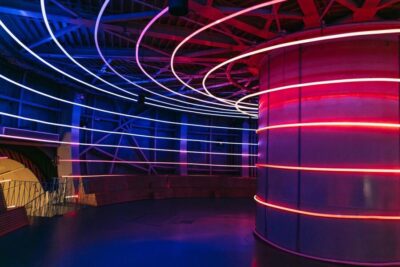
Atomium Entry Ticket with Design Museum Ticket
Read our review →
From Brussels: Guided Day Trip to Bruges and Ghent
Read our review →
From Brussels: Bruges & Ghent Day Tour – 2 Fairytale Cities
Read our review →
Choco-Story Brussels: Chocolate Museum Entrance with Tasting
Read our review →
Bruges and Ghent – Belgium’s Fairytale Cities – from Brussels
Read our review →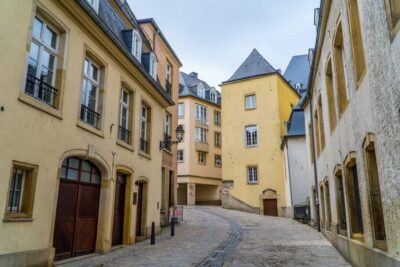
From Brussels: Luxembourg Tour with Dinant Visit
Read our review →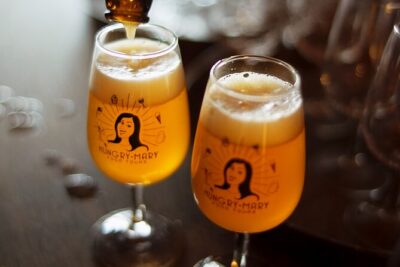
Hungry Mary’s Famous Beer and Chocolate Tour in Brussels
Read our review →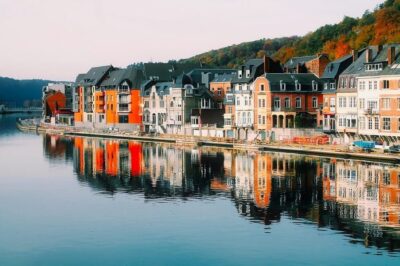
From Brussels: Guided Day Trip to Dinant and Luxembourg
Read our review →Browse the lists this tour appears in