
Reviewed · BRUGES TOURS
Bruges: Choco-Story Chocolate Museum Guided Tour w/Tastings
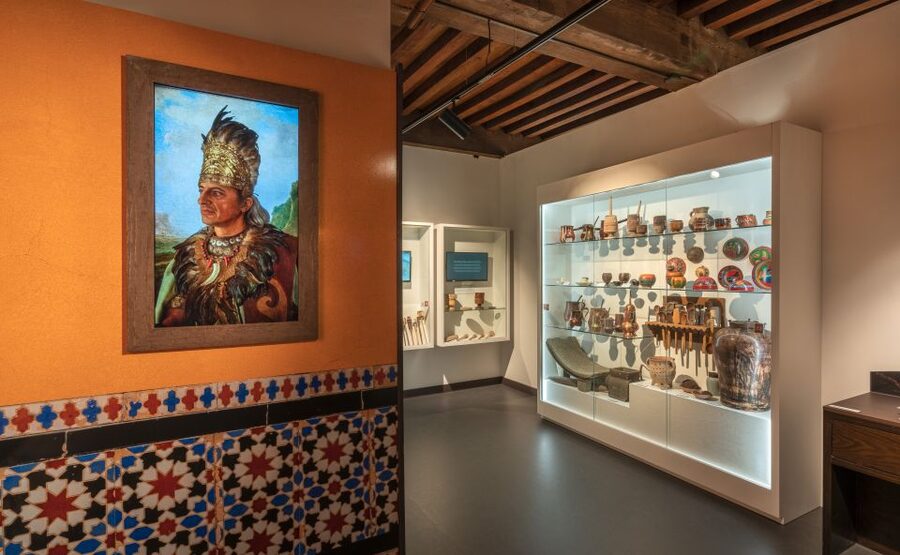
Chocolate has a long journey behind its sweet finish. At Choco-Story Brugge, you follow cocoa from its early use by the Maya and Aztec civilizations to the solid bars and pralines familiar today. The visit mixes objects, pictures, audio, games, and tasting rather than relying on a simple wall of text.
I like the kids’ audio version and the interactive activities, which help hold the attention of children around eight to thirteen. I also like the final praline demonstration and tasting, where the story turns into something you can actually eat. The main drawback is that this is primarily a self-guided audio museum, not a traditional guide-led walking tour, and the route can be confusing in places.
Key points to know before you go
- Chocolate reaches back 4,000 years: Learn how cocoa began as a spicy, watery drink before sugar and European production changed it.
- Audio guide, not a continuous live guide: Dutch, English, French, and Spanish are available, along with other language options and a children’s version.
- The tasting comes at the end: A chocolate-making demonstration shows how smooth chocolate and pralines are prepared before you sample the result.
- Interactive displays help families: Games and touch-based activities give children something to do while adults read and listen.
- Expect about 1.5 hours: You can go at your own speed, and a quicker visit is possible if you skip some audio material.
- The museum is near Bruges’ central square: The address is Wijnzakstraat 2, 8000 Bruges, and the visit returns you to the same location.
Following cocoa from ancient drink to Belgian praline
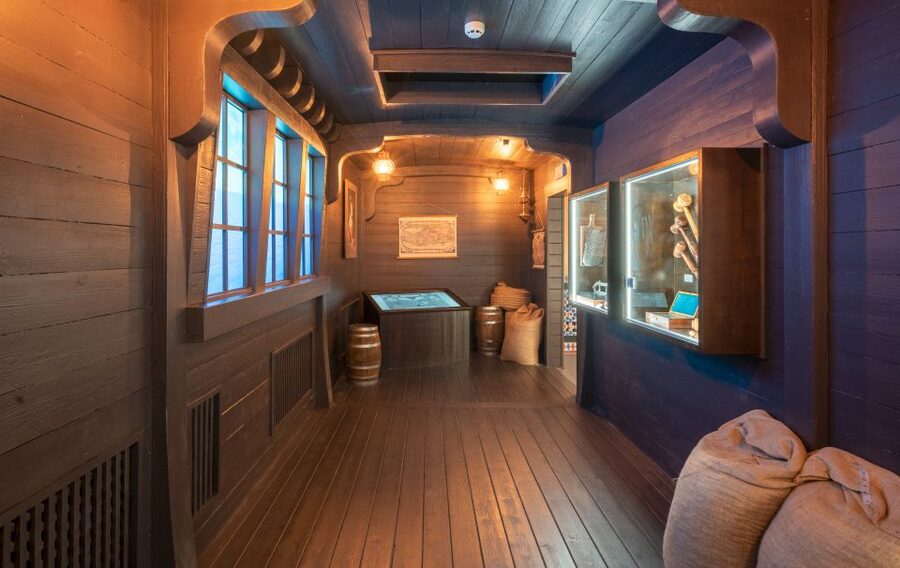
The museum’s strongest feature is its broad timeline. Chocolate did not begin as a candy bar. In Maya and Aztec cultures, cocoa was used in a spicy drink, a world away from the sweet milk chocolate sold in Belgium today.
That change gives the visit a useful backbone. You see how ingredients, taste, and production methods shifted over time. Sugar played a major role in making chocolate more familiar to European palates, while later manufacturing turned cocoa into the smooth solid product most people know.
I appreciate this context because it keeps the museum from becoming only a celebration of Belgian sweets. You are encouraged to think about where cocoa comes from, how it is processed, and how demand affects the people and places that grow it. Sustainable farming and the less pleasant side of cocoa production are included too.
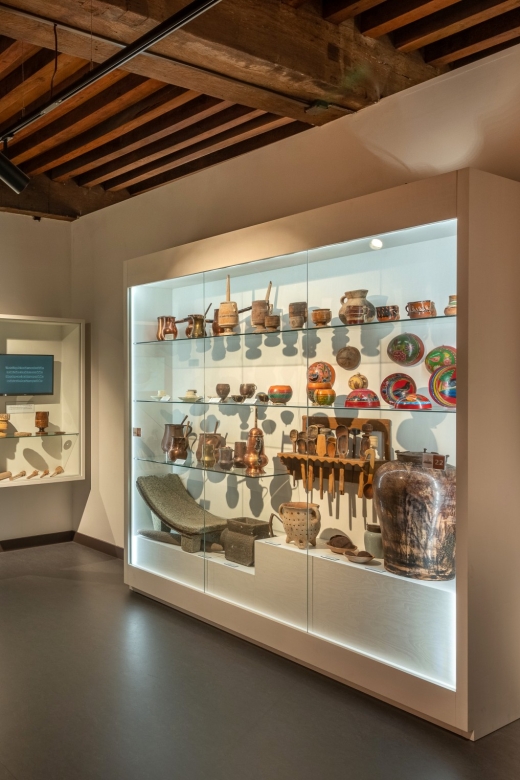
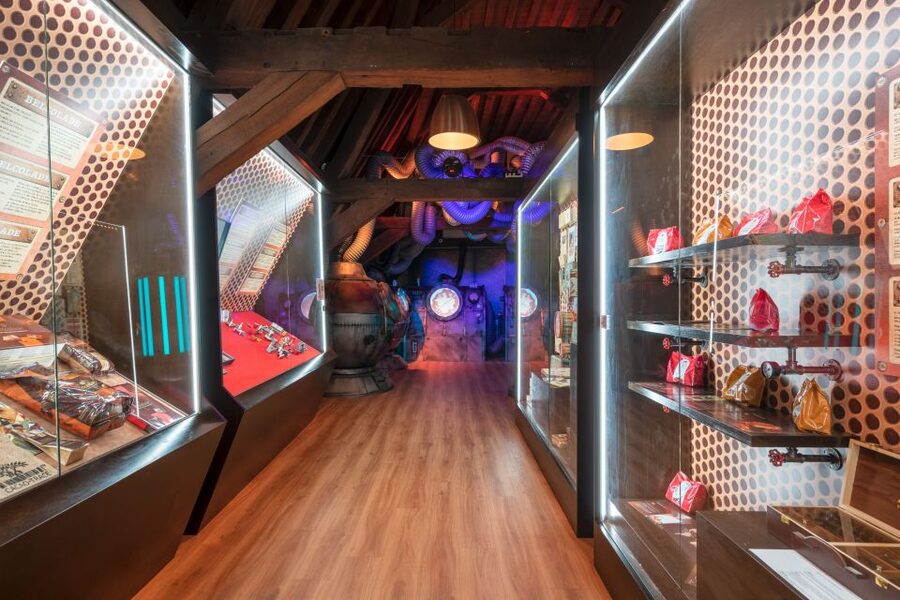
The displays use words, pictures, and objects to tell this story. The collection includes more than 500 chocolate-related objects, while the museum describes the full collection as almost 1,000 pieces. Either way, there is more here than a few antique molds and attractive shop displays.
More Museums in Bruges
- Choco-Story: The Chocolate Museum in Bruges
★ 4.0 · 544 reviews - Bruges: Chocolate Making Workshop and Chocolate Museum Entry
★ 4.6 · 395 reviews - Bruges: Musea Brugge Card with Entry to 11 Museums
★ 4.6 · 328 reviews
Three parts, one chocolate story
Choco-Story is arranged in three broad sections. The first focuses on the origin and early use of cocoa. This is where the Maya and Aztec material gives you a sense of how different chocolate once was.
The second section follows chocolate’s development and explains how raw ingredients affect the finished product. You learn about cocoa itself, along with the role of sugar and other ingredients. The museum also shows older methods beside newer production ideas, giving you a practical sense of how the process changed.
The third section explains how chocolate is made. This part pays closer attention to production, texture, and the work needed to create silky chocolate. The information is aimed at general visitors, so you do not need a technical background to follow it.
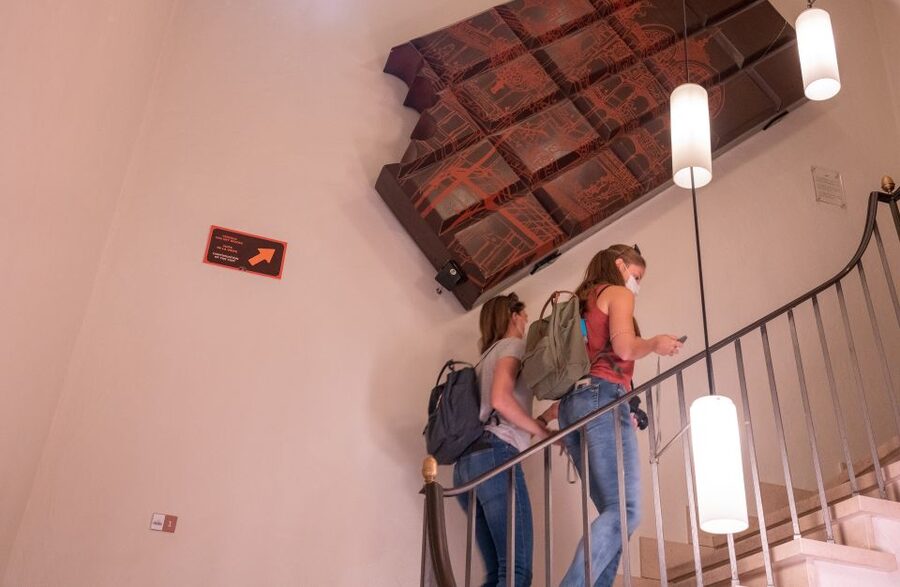
The sequence is logical in theory, but the numbered points used by the audio guide do not always make the route obvious. Some visitors have found the exhibit numbers out of order, and you may need to look around to find the next one. Take a moment at the start to understand the route rather than charging ahead.
The audio guide sets your own pace
Your main guide is a digital audio device. It is available in 11 languages, with Dutch, English, French, and Spanish specifically listed, and there is a version designed for children.
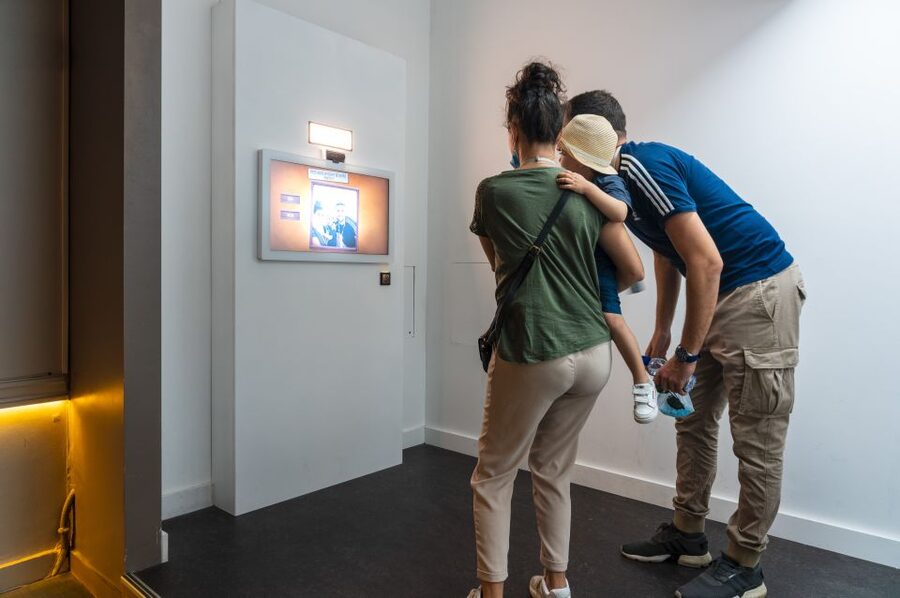
This format has clear advantages. You can pause, replay, and move at your own speed. If your child loses interest during a long explanation, you can keep moving. If a particular period catches your attention, you can stay longer without holding up a group.
The children’s version is especially useful for families. Interactive games appear throughout the museum, and they give younger visitors a reason to keep moving through the displays. Children around eight to thirteen can learn from the material without having to stand quietly beside an adult for the entire visit.
The trade-off is atmosphere. If you expect a live guide telling stories and answering questions as you go, this may feel less personal. A host or greeter is listed, but the main visit is self-guided. You should also expect to follow the audio prompts and exhibit numbers yourself.
Some people will finish in an hour or less by skipping parts of the audio. If you listen carefully and try the interactive sections, plan closer to the stated 1.5 hours. That makes this an easy fit between other Bruges sights, especially on a rainy afternoon.
Chocolate-making demonstration and the final tasting
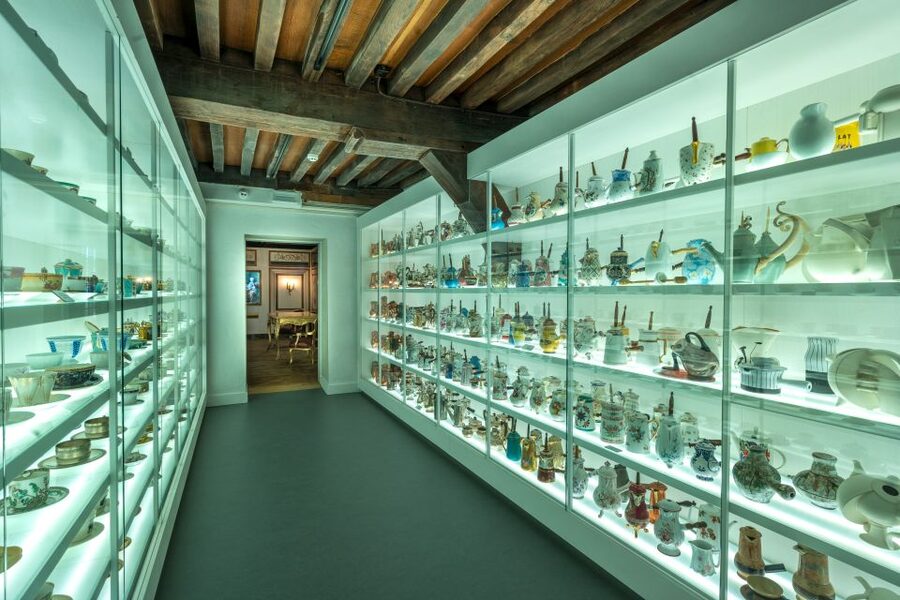
The demonstration is the visit’s payoff. Near the end, a presenter shows how chocolate is prepared, with particular attention to the smooth texture needed for finished sweets. The session includes a praline-making demonstration and a tasting of the chocolate produced at the museum.
Lisa has led at least some demonstrations, and her presentation has been described as warm, funny, and engaging. The exact presenter may vary, so do not assume Lisa will be there on every visit.
The demonstration is practical, but keep your expectations in check. This is not a full professional chocolate-making class, and you should not expect to prepare a large batch yourself. The focus is on watching the process and understanding what makes the finished product work.
The tasting can include several kinds of chocolate. One family described trying four types, while another visitor was disappointed when a particular variety, Amber Chocolate, had run out. The selection may depend on supply, so treat the tasting as a pleasant extra rather than a guaranteed menu.
The best part is the connection between the display and the sample. You have just heard about ingredients and production, then you taste the result. That small link makes the final section more memorable than another panel of information.
A few more Bruges half-days to weigh up
- Belgian Chocolate Workshop in Bruges
★ 5.0 · 660 reviews - Bruges: Belgian Praline and Mendiants Chocolate Workshop
★ 4.7 · 620 reviews - Bruges: Belgian Chocolate Making Workshop with Beer Tasting
★ 4.9 · 203 reviews - Bruges: Chocolate Truffle Making Class
★ 4.6 · 149 reviews
How much chocolate do you actually get?
The experience includes free tastings in the museum, and the amount can feel generous. You may receive several small samples, with the final praline demonstration providing the most obvious finish.
The word free matters here because the museum also has a gift shop, and it is easy to leave with more chocolate than you planned. The shop sells different chocolate products and related items, including chocolate-shaped gifts, soaps, candles, and toys.
I would not count the shop purchases when judging the admission price. They are optional, and the display of sweets can tempt you into spending more. If you want Belgian chocolate to take home, though, the shop gives you a convenient final stop without needing to search for another store.
Is $16 a fair price in Bruges?
At $16 per person, the visit is reasonably priced for a 1.5-hour museum experience that includes admission, an audio guide, a demonstration, and tastings. The value is strongest if you use the interactive displays and listen to much of the explanation rather than treating the museum as a quick photo stop.
Families may find the price easier to justify because the children’s audio version and games are included. You are not paying separately for a children’s activity, and the chocolate samples give younger visitors a clear reward at the end.
The value is less certain if you only want a short demonstration. The museum section is the main event, and the demonstration itself is brief compared with the full visit. If you are already planning to see several museums in Bruges, check whether the Bruges Museum Pass covers Choco-Story. One visitor found the museum included in the pass and considered that a better choice when visiting many other museums.
Booking ahead is not always essential for value. The listed price is $16, and some visitors have found the online price close to the local euro cost after currency conversion. The activity allows reservation with payment later, and cancellation is free up to 24 hours in advance, which helps if your Bruges schedule is uncertain.
A useful rainy-day and family stop
Bruges is best known for walking its historic center, but wet weather can make an indoor stop welcome. Choco-Story is just off the central square, so it is easy to add while you are already in the center.
Families are likely to get the most from it. Children can use the kids’ audio version, try educational games, and look forward to samples. Adults get more from the sections on cocoa cultivation, European taste, sugar, production, and sustainability.
Chocolate fans will enjoy the tasting, but you do not need to be an enthusiast. The museum explains enough about farming and manufacturing to make the visit worthwhile for anyone curious about food and trade.
I would be less keen to recommend it to someone seeking a polished, live, guide-led tour. The audio format gives you freedom, but it also means you must manage the route, select the information, and accept that no guide is walking beside you to answer questions.
Practical details for your visit
The meeting point and end point are the same: Wijnzakstraat 2, 8000 Bruges. The activity lasts about 1.5 hours, though your actual time will depend on how much audio you hear and how long you spend with the interactive displays.
Pets are not allowed. The experience is not suitable for wheelchair users, so check access needs before booking.
The museum supplies an audio guide, and the children’s version is worth requesting if you are visiting with younger family members. Bring your patience for the numbering system. The route is not always as clear as it could be, and a quick look around the entrance may save you from doubling back.
Give yourself enough time to enjoy the tasting rather than squeezing the museum into the last few minutes before another booking. The demonstration is at the end, and arriving late in the visit may mean missing the part children tend to remember best.
Who should book Choco-Story Brugge?
I would book this experience if you want a reasonably priced indoor attraction with a clear story, some hands-on elements, and chocolate to taste. It works particularly well for families, rainy afternoons, and visitors who like to explore at their own pace.
I would skip it if your priority is a live guide, a serious chocolate-making lesson, or a large tasting menu. The museum is educational and entertaining, but the route and audio system require a little self-direction.
The strongest plan is to pair it with other Bruges museums if you are considering the city museum pass. If chocolate is your main interest, the $16 admission is fair on its own. If you only have time for a quick stop, focus on the production displays, the demonstration, and the tasting.
FAQ
Where does the Choco-Story Brugge tour start?
The experience starts at Wijnzakstraat 2, 8000 Bruges, and ends back at the same meeting point.
How long does the visit take?
The stated duration is 1.5 hours. You can move faster if you skip some audio descriptions, while a careful visit with the interactive exhibits may take the full time.
Is this a live guided tour?
The main visit uses an audio guide rather than a guide walking with you throughout the museum. A host or greeter is included, and the chocolate demonstration takes place during the visit.
What languages are available on the audio guide?
The audio guide is available in 11 languages. Dutch, English, French, and Spanish are specifically listed, and a version for children is also included.
Are chocolate tastings included?
Yes. Free chocolate tastings are included, along with the chocolate-making demonstration. The exact selection can vary, and a particular type may occasionally be unavailable.
Is Choco-Story suitable for children?
Yes. The museum includes a children’s audio version and interactive educational games. These features make it suitable for family visits, including children around eight to thirteen.
Is the museum wheelchair accessible?
The activity is listed as not suitable for wheelchair users. Pets are also not allowed.
Just added around Bruges
- Bruges Photo Session By a Pro★ 5.0 · 3 reviews
- Best of Brussels Private Tour from Zeebrugge or Bruges★ 4.0 · 3 reviews
- Private taxi Transfer from Bruges to Amsterdam★ 5.0 · 3 reviews
- Private 3-hour walking tour of Bruges with official tour guide★ 4.0 · 3 reviews
- BeerWalk Bruges (French guide)★ 5.0 · 3 reviews
- Brussels: Private & Customizable Day Trip to Bruges★ 5.0 · 3 reviews
- Private: Discover Bruges beers & brewery with chocolate pairing by a young local★ 5.0 · 3 reviews
- Bruges: Ticket Volkskundemuseum (Folk Museum)★ 5.0 · 3 reviews
Bruges Tours, compared.

Small Group Boat Cruise and Guided Walking Tour
Read our review →
Walking Tour, Canal Boat Trip w/Beer Tasting Option
Read our review →

From Bruges: Great War Flanders Fields Minibus Tour w/ Lunch
Read our review →
Belgian Waffle-Making Workshop with Beer Tasting
Read our review →
THE Storytelling Tour of Bruges | First Day Must | History & Tips
Read our review →Browse the lists this tour appears in