
Reviewed · ANTWERP TOURS
Private Antwerp’s Diamonds and Jewellery Old City Center Historic Tour
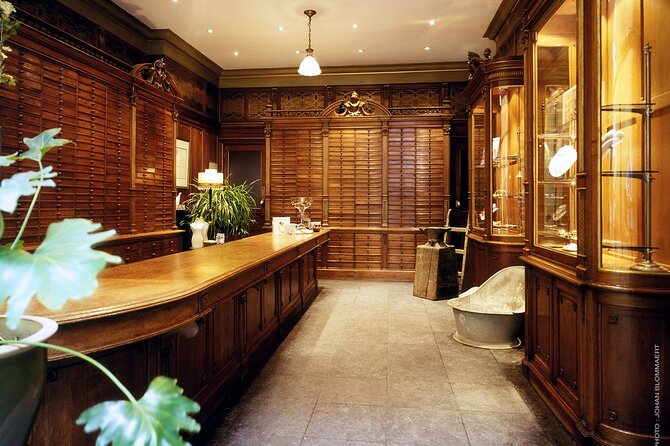
Antwerp’s diamond story begins in its old city, not only around the central station. This private walk connects medieval trade streets, Saint Paul’s Church, and working jewellery studios, showing you how merchants, goldsmiths, and diamond cutters shaped the city. Pascale Masselis’s atelier is a particular highlight, with handmade 18-carat gold jewellery and the chance to meet a working designer.
I like the small private format, which lets the guide adjust the pace and explain details that are easy to miss on a standard city walk. I also like the mix of history and living craft: you move from Wisselstraat and old guild traditions into independent studios run by designers such as Pascale Masselis, Gerda De Vrij, Wim Meeussen, Hanne Schoofs, and Eva Crauwels.
One point needs clear attention: this is not a tour of Antwerp’s modern diamond district, and it does not promise a visit to active diamond cutters or dealers. The emphasis is the historic center, with jewellery ateliers and designer shops instead. If you expect a behind-the-scenes look at diamond processing, this may not be the right choice.
Key points to know before you book
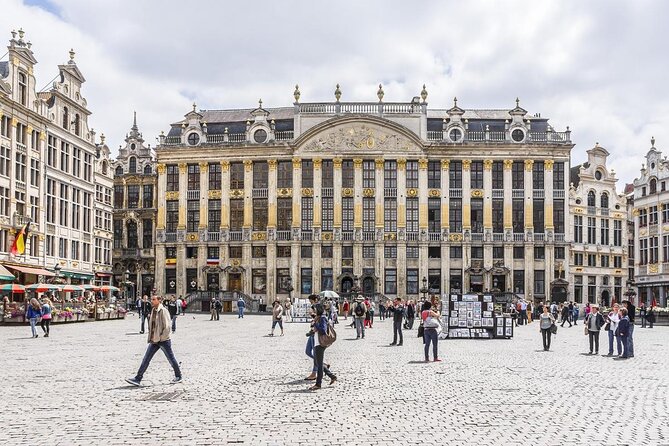
- The old city tells the first chapter of Antwerp’s diamond story: You visit Grote Markt, Wisselstraat, Zirkstraat, and former goldsmith streets tied to early trade.
- Pascale Masselis offers a genuine atelier visit: Her workshop focuses on one-off, handcrafted pieces in 18-carat gold, including redesigned older jewellery.
- You visit several independent designers: Wijngaardstraat brings together different styles, from modern jewellery to romantic gold work and silver collections.
- The group is private and limited to your party: The price is $234.93 for up to 15 people, not per person.
- DIVA is a useful extra stop: The tour begins outside the museum, but admission is not included and the museum may not be open on your tour day.
- Expect a walking tour of about two hours: The route ends at Rembrandt Jodan’s art gallery, atelier, and jewellery shop on Wijngaardstraat.
Why Antwerp’s diamond story starts in the old center
Many visitors think of Antwerp diamonds only in connection with the district around Central Station. That area became the main diamond quarter after 1905. This tour takes a different route, back to the older commercial heart of the city, where fairs, money exchanges, guilds, and workshops laid the groundwork for Antwerp’s reputation.
You begin outside DIVA, Antwerp’s museum of diamonds, jewellery, and silverware. Your guide sets the scene here, explaining the city’s connections with precious stones and metalwork before leading you into the surrounding streets.
That opening matters because the tour is not simply a shopping walk. The guide explains how trade worked, where foreign merchants gathered, and why specialist streets and guild organizations developed. Guides such as Viviane, Margaret, Catherine, Maria, and Lauren have been praised for making the history accessible, adjusting explanations to the interests of each group, and keeping the pace comfortable.
The private format helps here. If you are traveling with children, a mixed-age family, or a group with a particular interest in architecture or craft, the guide can spend more time on the parts that hold your attention. One guide, for example, engaged children aged 12 and 17 by connecting the old trade story with the city they could see around them.
More History Tours in Antwerp
- Historical Walking Tour: Legends of Antwerp
★ 5.0 · 1,837 reviews - Antwerp: Historical Walking Tour in the Old City
★ 4.8 · 373 reviews - Private tour: Highlights & History of Antwerp
★ 5.0 · 299 reviews
DIVA and Grote Markt set the scene
DIVA is the logical meeting point. You do not enter as part of the tour, and museum admission is not included, but the museum is worth considering as a separate visit. It provides a larger setting for the subjects introduced during the walk: diamonds, jewellery, and silversmithing.
Allow yourself time to check the museum’s opening status before you arrive. The tour can still go ahead if DIVA is closed, but you will miss the chance to pair the street tour with its exhibitions. This happened to one group and was a disappointment, even though the rest of the walk remained worthwhile.
From DIVA, the route moves toward Grote Markt. This square is where the guide explains Antwerp’s early commercial importance. During annual fairs, foreign merchants came to buy and trade precious goods, including jewellery and stones.
Grote Markt is also a useful point for understanding scale. You are not looking at a remote workshop quarter. The trade was tied to the same civic center used for markets, administration, religion, and public life. A guide who connects the square to the buildings around it can turn a familiar sightseeing stop into a lesson in how money and status shaped Antwerp.
Wisselstraat explains the less glamorous side of trade
Wisselstraat adds a sharper edge to the story. The name refers to exchange, and this was where foreign buyers changed money during their business in Antwerp.
This stop is brief, about 10 minutes, but it gives the tour a useful dose of realism. Precious-metal trade was not all glitter and fine craftsmanship. It depended on credit, currency, contracts, and risk. The guide also explains the origin of the word bankrupt, linking everyday language to the hazards of commercial life.
I like this part because it keeps the tour from becoming a string of attractive shop windows. You hear about the systems that supported the jewellery trade, and the ways those systems could fail. It is a small detail, but it gives the old streets more meaning.
Saint Paul’s Church adds silver, sculpture, and sacred art
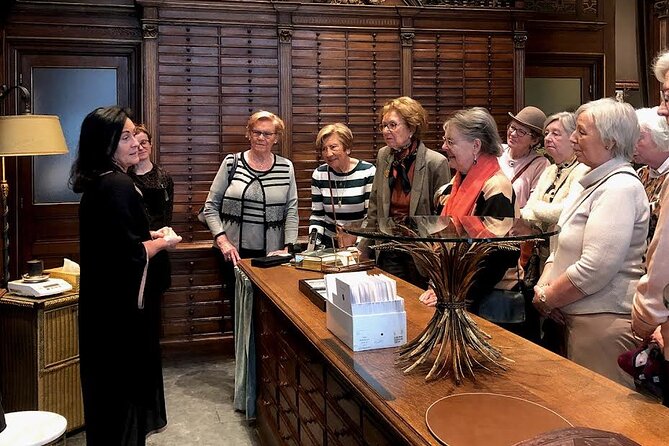
Saint Paul’s Church is scheduled for about 15 minutes. Its connection with silversmithing and jewellery gives the walk a religious and artistic dimension.
The church treasury contains more than 3,000 diamonds, according to the tour information, though access and viewing conditions can vary. The stop is not presented as a formal museum visit, and admission is listed as free. Still, the church helps explain why precious materials were used not only for personal adornment, but also for religious objects and displays of devotion.
This is one place where your guide’s storytelling makes a difference. The most useful explanation is not simply counting stones. It is understanding why goldsmiths and silversmiths worked for churches, civic institutions, and private buyers, and how their skills crossed between practical objects, ceremonial pieces, and jewellery.
One past tour included an impromptu visit to Antwerp Cathedral. That kind of adjustment may happen if circumstances allow, but it is not part of the stated route, so you should not book this tour expecting cathedral admission or a guaranteed cathedral visit.
More history walks around Antwerp:
- Historical Walking Tour in Antwerp Old City
★ 5.0 · 277 reviews - Private Historical Tour: Legends of Antwerp
★ 5.0 · 125 reviews - Antwerp: Private 3-Hour Historical Sightseeing Walking Tour
★ 4.8 · 70 reviews - TukTuk tour through historic Antwerp of 1.5 hours
★ 5.0 · 36 reviews
Zwartzustersstraat and Zirkstraat reveal the workshop past
Zwartzustersstraat looks quieter today than it did in its commercial prime. The guide points out that it once had shops at street level and diamond-cutting ateliers above them. That arrangement tells you something about how craft businesses operated: sales and production could exist within the same narrow urban setting.
The stop lasts about 10 minutes. You may not see active cutting taking place here, and that is important to understand. The route shows where the work was once done and explains its place in Antwerp’s development. It is not a working diamond factory visit.
Zirkstraat takes the story further. The first diamond cutter lived here in the 15th century, and the guide uses the street to explain the development of diamond cutting.
You will hear why Antwerp became linked with this craft, but you should keep modern expectations in check. Much diamond cutting is now carried out elsewhere because costs are lower, and Antwerp faces competition from Russia and other countries. That modern context is one of the most useful parts of the tour because it prevents an old reputation from being mistaken for the full present-day picture.
Pascale Masselis is the clearest workshop encounter
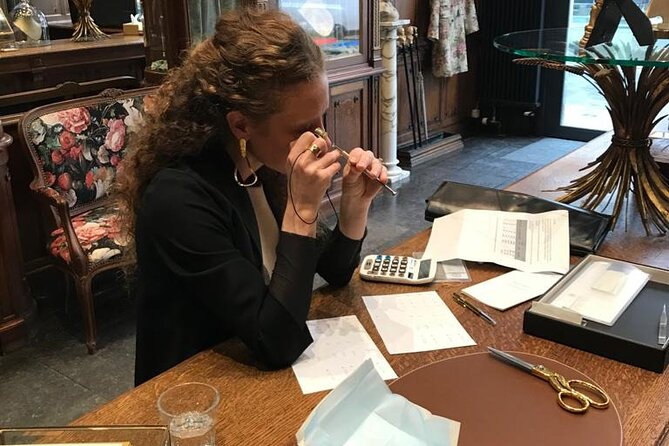
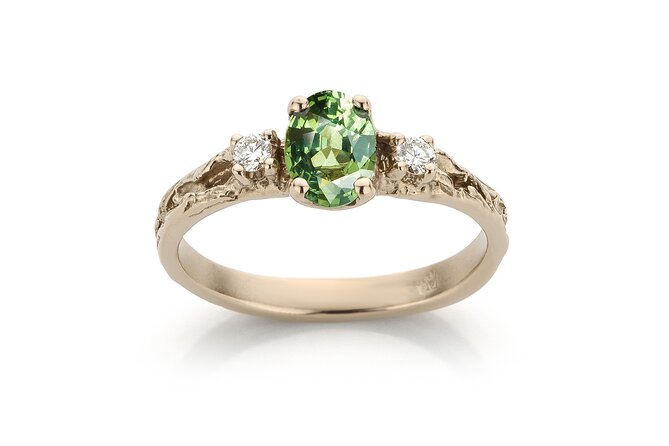
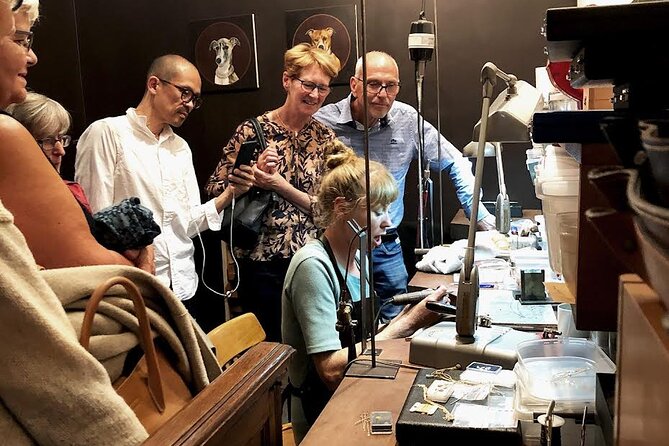
The visit to Pascale Masselis is the tour’s most direct look at contemporary jewellery making. Masselis graduated from Antwerp’s Royal Academy in 1983 and works exclusively with 18-carat gold. Each piece is unique and handmade in her own atelier.
If the studio is open for your visit, you can meet the jeweller and see the setting where the work is created. The scheduled time is about 15 minutes, so this is an introduction rather than a long technical demonstration. It is enough to give you a sense of the care, design decisions, and personal style behind independent jewellery.
A particularly interesting service is the transformation of old, outdated jewellery into new pieces. That offers a more personal view of the craft than simply browsing finished items. You can think about jewellery as something repaired, redesigned, and carried forward, not only something bought new.
The atelier visit also helps clarify what the tour means by designer jewellery. You are not being taken through a large commercial showroom. You are being introduced to a small creative business where design, production, and the maker’s identity are closely connected.
Lange Koepoortstraat explains the goldsmith guilds

Lange Koepoortstraat once held the nation house of Antwerp’s goldsmiths and silversmiths. The guide explains why such a building was needed and how these professional groups organized themselves.
A nation house was not just a meeting room. It reflected the way trades protected standards, managed membership, handled disputes, and defended commercial interests. For a city dealing in expensive materials, trust mattered. Buyers needed confidence in the quality of workmanship and the honesty of the people handling valuable goods.
This stop works best for visitors who enjoy the structure behind an old craft. You are looking beyond the objects themselves to the rules and institutions that allowed goldsmithing to function. The explanation also connects neatly with the earlier stops at Grote Markt and Wisselstraat.
Wijngaardstraat turns the tour toward modern design
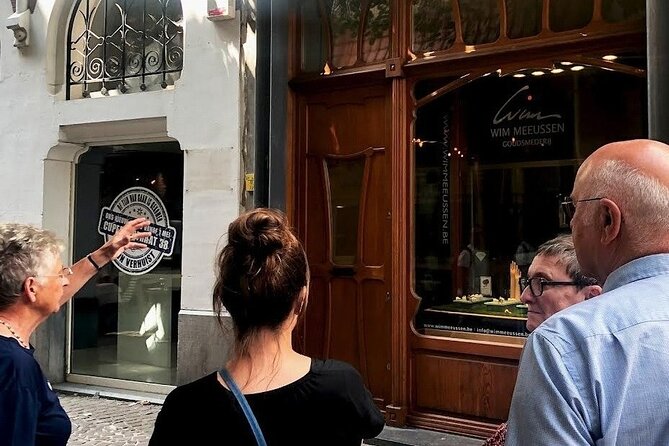
Wijngaardstraat is a picturesque little street with five jewellers, each offering a different approach. This is where the tour shifts most clearly from old trade history to current design.
Gerda De Vrij studied in Pforzheim under Klaus Ullrich, an early figure in modern jewellery. After moving to Antwerp, she founded her atelier with Emile Henry. Their two daughters later joined the business, creating a family connection across generations.
Wim Meeussen is known for jewellery and wedding rings. His nearby silver location offers a less expensive way to access the style associated with the main brand. That distinction is useful if you like the design but do not plan to spend heavily on gold.
Hanne Schoofs regularly experiments with new techniques. Her work gives the guide a chance to discuss how jewellery design changes through materials, tools, and process rather than staying fixed in one style.
Eva Crauwels has worked independently as a goldsmith for more than 15 years. Her collection has a retro-romantic feel and a distinctly feminine character. You do not need to be a jewellery buyer to appreciate the contrast between her work and the more modern or experimental designs nearby.
The scheduled time here is about 20 minutes. That is enough for a guided introduction, but it may feel short if you want to study every shop or compare prices. This is an experience built around access and context, not an extended shopping session.
Rembrandt Jodan provides a fitting final stop
The route ends at Rembrandt Jodan’s multidisciplinary space at Wijngaardstraat 18. It combines an art gallery, atelier, and jewellery shop.
That combination makes the ending feel broader than a standard retail visit. You see jewellery as part of an artist’s wider practice, rather than as an isolated product. The tour gives you about 20 minutes here, and the guide can explain how the spaces connect.
The end point is also practical. You finish in the old center, close to the route’s other historic streets and within easy reach of Antwerp’s central sightseeing area. There is no return transfer, so plan your next stop from this location.
What the $234.93 group price really means
The price is $234.93 for a private group of up to 15 people. For one or two people, that is a costly two-hour walk. For a larger family or group, the per-person cost drops sharply, making the private format much better value.
The main thing you are paying for is access to a specialist guide and a tailored route through small creative businesses. You are not paying for museum admission, a meal, transport, or a jewellery purchase. DIVA admission is separate, and the tour’s listed stops are free.
I would consider it good value for a group that wants more than a general Antwerp city walk, especially if several people are interested in design, trade, or local history. I would be less convinced for a solo visitor focused mainly on diamonds as a modern business. In that case, the old center may feel too historical and the lack of diamond-cutter visits may disappoint.
The tour is offered in English and confirmation is sent within 48 hours, subject to availability. It is near public transportation, service animals are allowed, and most people can take part. Wear comfortable shoes, since the experience is a walking route through several streets and includes standing in workshops and shops.
Who should book this Antwerp jewellery walk
I would recommend it most strongly to:
- Families who want a private guide and a subject that can hold the attention of different ages.
- Visitors interested in design, architecture, guilds, and the history of trade.
- Jewellery buyers who want to meet independent makers before making a purchase.
- Repeat visitors to Antwerp looking for streets beyond the usual sightseeing route.
- Small groups who can share the fixed price.
You should think twice if your main goal is to watch diamonds being cut, visit the modern diamond district, or meet professional diamond dealers. This route explains that world, but it does not provide that kind of access.
The guides have been praised for a friendly manner, clear explanations, patience, and the ability to adjust the walk to a group’s interests. That personal touch is central to the experience. The tour works best when you treat it as a conversation-led exploration of Antwerp’s craft traditions, not as a sales tour or factory visit.
Final verdict: a good choice for history and design
Book this tour if you want to connect Antwerp’s early commercial streets with living jewellery ateliers. The strongest elements are the private guide, the clear explanation of old trade networks, and the visit to Pascale Masselis, where the craft feels personal and real.
Before booking, confirm your expectations. The old city route focuses on Antwerp before the diamond district moved toward Central Station in 1905. It includes designer studios and jewellery shops, but no promised visit to diamond cutters or dealers.
For a family, design-minded couple, or private group, I think the experience offers a thoughtful two hours and a side of Antwerp you could easily miss on your own. Add DIVA before or after if it is open. Skip the tour if you want modern diamond-industry access above all else.
FAQ
How long does the tour last?
The tour lasts approximately two hours. The listed stops include short visits and explanations along the route, with timing that can vary by group and access to the ateliers.
Where does the tour begin?
The meeting point is in front of DIVA, the museum of diamonds, jewellery, and silversmithing, at Suikerrui 17/19 in Antwerp.
Where does the tour end?
The tour ends at Rembrandt Jodan’s space at Wijngaardstraat 18, Antwerp. The venue combines an art gallery, atelier, and jewellery shop.
Is admission to DIVA included?
No. The tour begins outside DIVA, and museum admission is not included. A separate visit is recommended if the museum is open.
Does the tour include a visit to diamond cutters?
No diamond cutters are listed as a tour stop. The guide explains Antwerp’s diamond-cutting history, while the practical atelier visits focus on jewellery designers and goldsmiths.
Is this a private tour?
Yes. Only your group participates, with a maximum group size of 15 people.
What language is offered?
The tour is offered in English.
Can I cancel for a full refund?
You can cancel up to 24 hours before the experience begins for a full refund. Cancellations or changes made less than 24 hours in advance are not refunded or accepted. If poor weather causes the tour to be canceled, you will be offered another date or a full refund.
Just added around Antwerp
- Guided E-kickscooter tour: The big five of Antwerp★ 5.0 · 3 reviews
- Antwerp: Help the Lost Boy – Self-Guided Mystery Walk★ 4.5 · 3 reviews
- Surprise tour of Antwerp guided by a Local★ 5.0 · 3 reviews
- Antwerp Private Tour From Brussels★ 4.7 · 3 reviews
- Discover Antwerp while playing! Escape game – The alchemist★ 4.5 · 4 reviews
- Discover Antwerp with this Outside Escape city game tour!★ 5.0 · 4 reviews
- Children’s escape game in the city of Antwerp – Peter Pan★ 4.0 · 4 reviews
- Landed On Time 60 min. Max 1 Person★ 4.0 · 5 reviews
Antwerp Tours, compared.

Guided Bike Tour: 2 Hours Highlights of Antwerp
Read our review →

Browse the lists this tour appears in