
Reviewed · LIEGE TOURS
Bioul (near Dinant) : Château de Bioul Tour and Wine Tasting
Château de Bioul gives you two experiences in one: a visit to a centuries-old estate and a look at modern Belgian winemaking. You’ll move from château rooms and family stories to vineyards, production areas, and a tasting of local wines and products.
I like the clear link between the estate’s past and its present wine project. I also like the $35 price, which covers the discovery tour, vineyard and winery access, park, and tasting. The main consideration is walking: the experience is not suitable for wheelchair users or people with mobility impairments.
Key points to know before you go
- A château with roots reaching back to the 10th century: Learn about Gobert d’Orbais, also known as Gobert de Bioul, who appears in records from 1210.
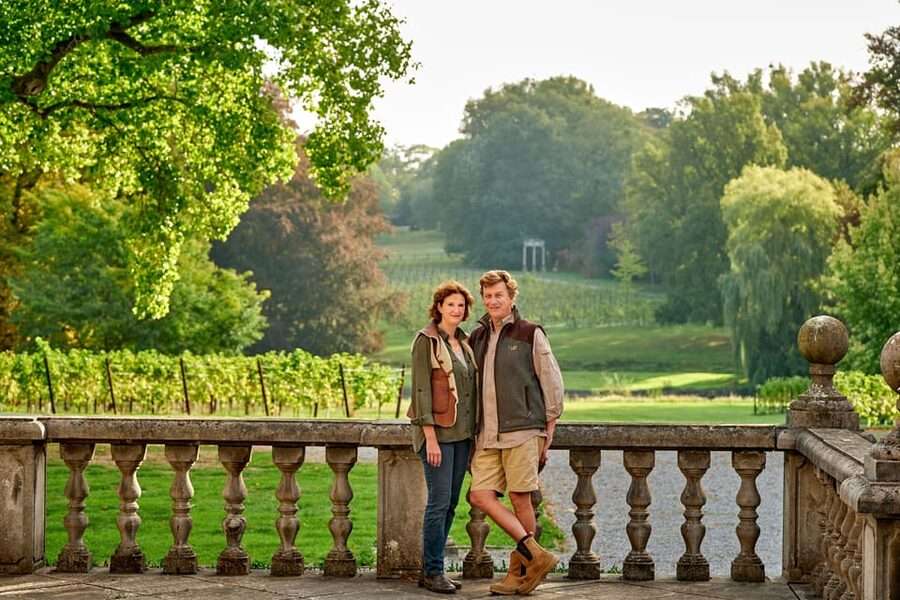
- A family estate since 1906: Andy and Vanessa Wyckmans-Vaxelaire now care for the property and its long family tradition.
- Wine from grape to glass: The visit explains the estate’s vineyards, winemaking facilities, and finished vintages.
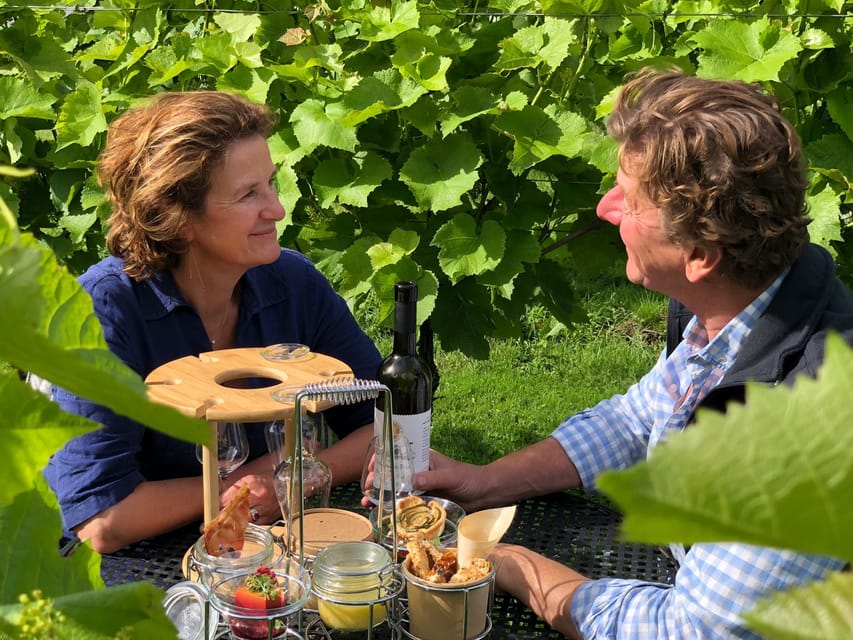
- A tasting inside the estate: Sample local wines and products after the tour, giving the visit a pleasant finish.
- French and English support: A French or English host or greeter is available, with an audio guide in both languages.
- Bring sturdy shoes and a camera: You’ll walk through the grounds, and photography is allowed inside without flash.
Arriving at Château de Bioul near Dinant
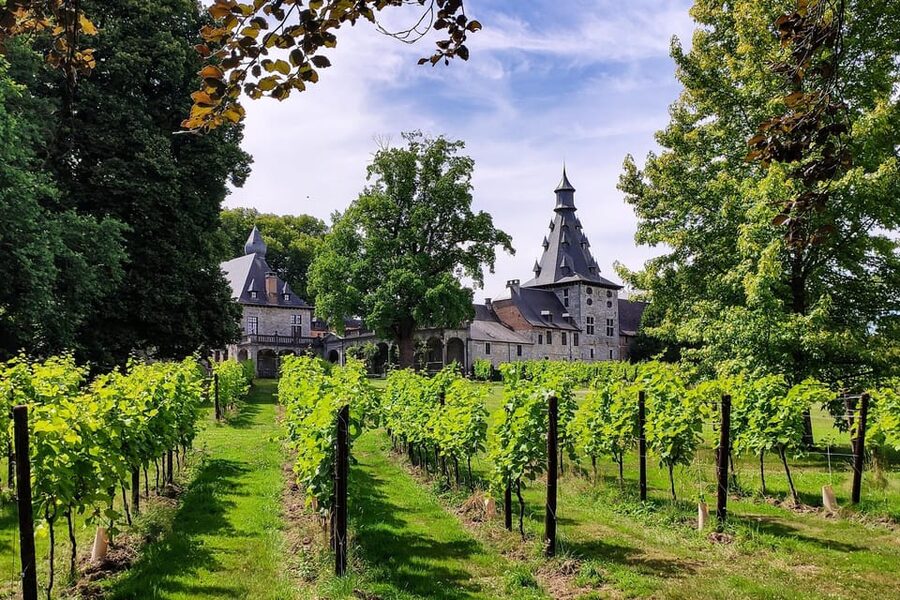
Château de Bioul is in Wallonia, near Dinant, in the French-speaking part of Belgium. You’ll need to arrange your own transportation to the château, since transport to and from the estate is not included.
That matters because this is a destination visit rather than a city-center activity. Plan your route before setting out, and check the available starting time when you book. The experience is listed as valid for one day, but the exact tour time depends on availability.
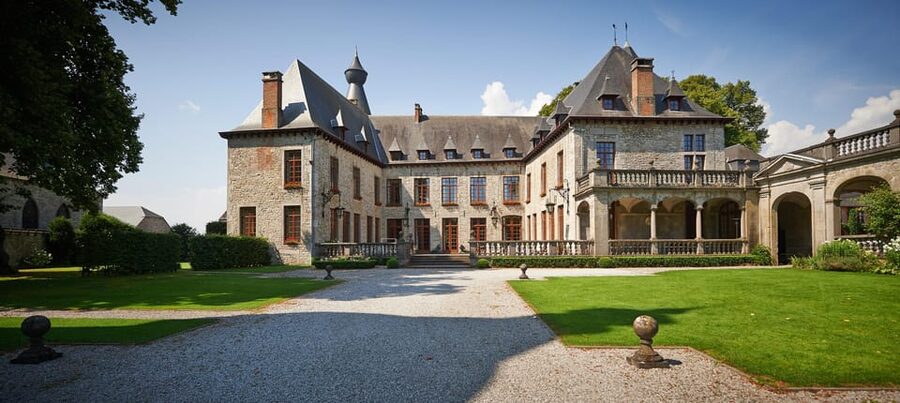
Once you arrive, the setting does much of the early work. The château, its tree-lined park, and its vineyards create a calm change from the busy sightseeing rhythm of Dinant. You are not simply stopping for a glass of wine. You are visiting a working family estate with architectural, historical, and agricultural sides.
Wear comfortable walking shoes. The grounds and wine facilities form an important part of the visit, and unsuitable footwear could make the outdoor sections less enjoyable. Check the weather before leaving, since part of the experience takes place outside.
A few more Liege half-days to weigh up
- Wine and Painting Workshop Experience in Brussels
★ 5.0 · 6 reviews
Gobert de Bioul and a family estate since 1906
The history begins long before the current wine project. The Seigneurie de Bioul has been a local landmark since the 10th century, and Gobert d’Orbais, also called Gobert de Bioul, appears in writings from 1210 as a prominent knight and lord.
You’ll encounter this history as part of the château visit rather than as a dry list of dates. The building contains statues, period decorative elements, and tucked-away corners that reflect different periods of its development. The architecture is varied, so the visit is not about one neat, uniform style.
Since 1906, the château has remained under the care of the same family. Today, Andy and Vanessa Wyckmans-Vaxelaire continue that connection. Their role gives the property a personal quality: the estate is presented not only as an old building, but as a family responsibility passed from one generation to the next.
The family motto, In Arduis Constans, means Perseverance in Difficulty. It reflects the effort required to protect the estate through changing times. That detail helps explain why the visit spends time on family values such as love, solidarity, and respect. You may find this especially appealing if you enjoy historic homes where the owners’ story is part of the attraction.
Inside the château: rooms, objects, and quiet corners
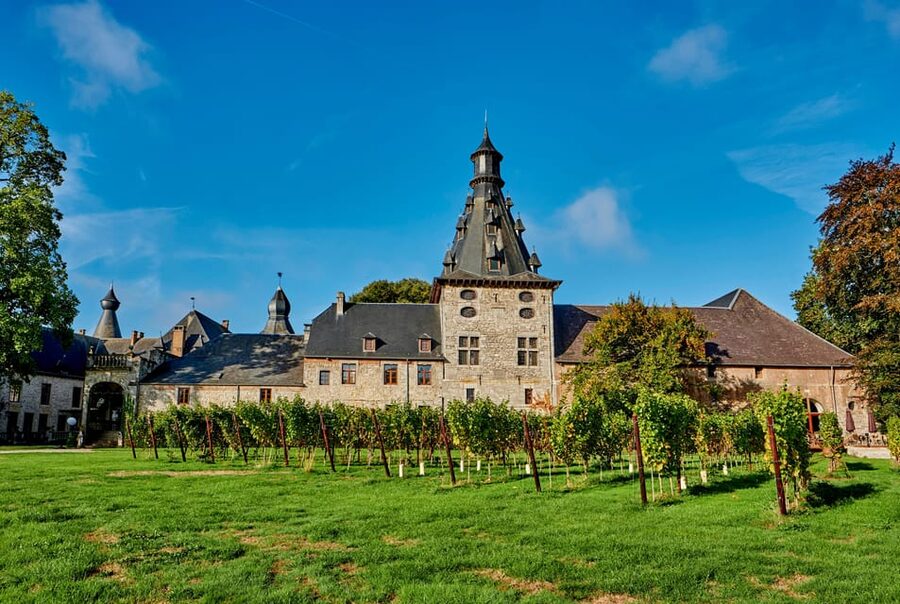
The château portion offers a change of pace from the vineyards. Here you can look at statues, decorative features from earlier periods, and the small architectural details that are easy to miss when you only view a building from outside.
Photography is allowed, but you cannot use flash inside the château. Bring a camera if you want a record of the visit, and be ready to put it away or switch off the flash in the interior rooms.
The visit also connects the family story to the history of Le Bon Marché, which later became the GB-INNO-BM group. This is an unusual thread for a château and wine tour. It gives the estate’s story a commercial and social dimension beyond agriculture and aristocratic architecture.
You should not expect the château section to feel like a large national museum. Its value comes from the connection between the building, the family, and the estate’s current work. The experience suits you best if you prefer a personal historic visit with a clear local focus.
The centenary park and estate grounds
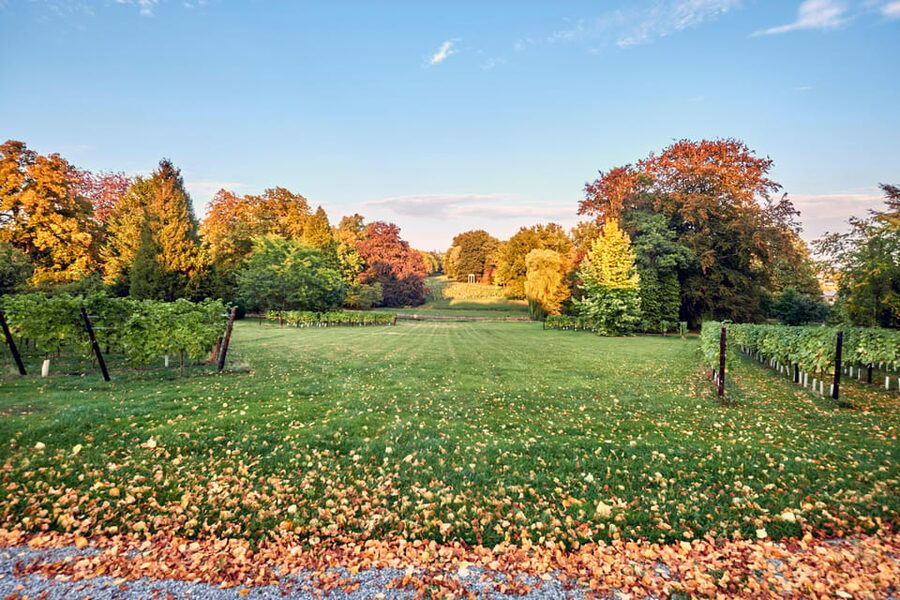
The tree-lined park is included in your ticket. It gives you space to appreciate the château from a wider view and adds an outdoor element to the visit.
This is also where practical footwear matters. The activity is not designed for wheelchair users or people with mobility impairments, and the walking sections may include uneven or demanding areas. The available information does not specify distances or the exact surface of every path, so ask the host if you have concerns about walking conditions.
The park is not just a backdrop for photographs. It helps you understand the scale of the estate and the relationship between the château, its grounds, and its vineyards. Take your time here if the weather is good. The outdoor setting is one of the pleasant parts of the visit, but it is less useful on a wet day if you arrive without suitable clothing.
More food tours in Liege:
- Choco-Story Brussels: Chocolate Museum Entrance with Tasting
★ 4.3 · 4,883 reviews - Bruges: Walking Tour, Canal Boat Trip w/Beer Tasting Option
★ 4.4 · 2,759 reviews - Hungry Mary’s Famous Beer and Chocolate Tour in Brussels
★ 5.0 · 2,258 reviews - Belgian Beer Tasting in Brussels
★ 5.0 · 1,280 reviews
Walking through the vineyards
The vineyard visit shifts the focus from inheritance to production. You’ll see where the estate’s wines begin and learn how the vineyard fits into the full process.
For anyone curious about Belgian wine, this is the most distinctive part of the experience. Belgium is not the first country many people associate with vineyards, so seeing a local estate explain its own wines gives you useful context. The point is not simply to taste an unfamiliar bottle. You get a clearer sense of how the property turns its land and grapes into a finished product.
The exact vineyard route and amount of time outdoors can vary, so check the day’s conditions before you go. The host or greeter can provide support in French or English, and the audio guide is available in both languages. That makes the history and production details easier to follow if you do not speak French.
Keep your camera ready outdoors, but remember that the château has a no-flash rule inside. Smoking is not allowed during the activity.
From grape to glass in the winery
The winery section explains what happens after the grapes leave the vines. You’ll learn about the estate’s wine production and follow the journey of its vintages from grape to glass.
This part adds substance to the tasting. Without it, a wine sample can feel detached from its setting. Here, the glass at the end relates back to the vines, equipment, family project, and work carried out on the estate.
The details provided do not specify the full technical sequence, the number of wines, or the size of the tasting pours. You should therefore treat this as an introduction to the estate’s winemaking rather than a specialist certification course. If you already know a great deal about wine production, the visit may feel fairly accessible. If you are new to Belgian wine, that is an advantage.
I particularly like the structure of placing the winery before the tasting. You first learn what the estate is trying to do, then taste the result. It gives you something specific to notice in the glass instead of reducing the final stop to a quick drink.
Local wines and products at the tasting
The tasting takes place in the heart of the estate and includes local wines and products. It is included in the $35 admission price, along with the discovery tour, access to the vineyards and winery, and entry to the centenary park.
At this price, the value is good if you plan to use the full visit. You are paying for more than a tasting flight. The fee supports a full property visit with history, architecture, outdoor grounds, and wine production.
The tasting also gives the visit a natural ending. After hearing about the family, the château, and the winemaking process, you can consider how those elements come together in the estate’s vintages.
Do not book this expecting a full meal. Meals are not included, so arrange lunch or another meal separately. The tasting includes local products, but the information does not state that it replaces lunch.
The two available ratings, one four-star and one five-star, point to the estate presentation and wine expertise as the strongest parts of the experience. One recent four-star assessment specifically praised the beautiful grounds, educational museum, and tasting. A five-star assessment highlighted the way the family heritage and Belgian wine know-how are presented together. That matches the design of the visit: the strongest experience comes from seeing the château and its wine project as one story.
Language, timing, and what to bring
A French or English host or greeter is available, and the audio guide also works in French and English. This gives you two ways to follow the visit. You can listen to the guide for structure and ask the host for help when something needs clarification.
The exact starting time is not fixed in the information provided. Check availability before booking, especially if you are fitting the château into a day around Dinant. The experience is valid for one day, but that does not mean you can arrive at any hour.
Bring:
- Comfortable walking shoes
- A camera
- Weather-appropriate clothing
Smoking is not allowed. Photography is permitted, but flash photography is prohibited inside the château.
The activity is not suitable for wheelchair users or people with mobility impairments. This is a firm planning point, not a minor footnote, because the visit includes access to the estate grounds, vineyards, winery, and historic building.
The booking terms are flexible: you can cancel up to 24 hours ahead for a full refund, and the reserve-now, pay-later option lets you hold a place without paying immediately. Those terms help if your plans around Dinant are still changing.
Who will enjoy Château de Bioul most?
I would recommend Château de Bioul to you if you like historic houses but want more than rooms and furniture. The wine element gives the visit a practical focus, and the tasting rewards you at the end.
It is also a good choice for couples, families with older children, and visitors interested in Belgian food and drink. The family story, the Le Bon Marché connection, and the estate’s motto give the tour several points of interest even if you are not a serious wine fan.
You may prefer another activity if you want a short tasting with no walking, a large formal museum, or a meal included. This visit asks you to move between several parts of the estate, and the outdoor sections depend on the weather.
The $35 cost is easiest to justify when you have time to see the château, park, vineyards, winery, and tasting. If you only want to sample local wine, the full estate visit may be more than you need. If you want a rounded cultural stop near Dinant, it offers a fair amount for the price.
Should you book this château and wine tour?
Book it if you want a family-owned château visit with Belgian wine at the center, not simply a tasting-room stop. The estate’s long history, its preserved architecture, its park, and its modern wine facilities fit together well.
Before booking, confirm the start time, check the weather, and be realistic about the walking requirements. If those points work for you, Château de Bioul is a well-balanced day visit near Dinant, with enough history for culture lovers and enough tasting for food and wine fans.
FAQ
Where is Château de Bioul?
Château de Bioul is in Wallonia, Belgium, near Dinant.
How much does the Château de Bioul tour cost?
The experience costs $35 per person.
What does the ticket include?
The ticket includes the estate discovery tour, wine tasting, access to the vineyards and winery, and access to the centenary park.
Is transportation to the château included?
No. Transportation to and from Château de Bioul is not included.
Are meals included?
No. Meals are not included, although the tasting includes local wines and products.
Is the tour available in English?
Yes. A host or greeter and an audio guide are available in French and English.
Can I cancel my booking?
Yes. You can cancel up to 24 hours in advance for a full refund.
Is the experience suitable for wheelchair users?
No. The activity is not suitable for wheelchair users or people with mobility impairments.
Just added around Liege
- Children’s escape game in the city of Liège Marsupilami★ 4.0 · 3 reviews
- Luxembourg : Indoor Skydiving★ 5.0 · 3 reviews
- e-Scavenger hunt Namur: Explore the city at your own pace★ 3.5 · 5 reviews
- Discover the secrets of Namur while playing! Escape room★ 4.0 · 5 reviews
- Namur: Escape Game in the city – The Alchemist★ 4.0 · 5 reviews
- Discover Liège while playing! Escape game – The Walter case★ 4.5 · 5 reviews
- Hamoir “Les Remous”:Kayak 8,4km★ 4.1 · 8 reviews
- Liege Private Walking Tour★ 4.3 · 10 reviews
Liege Tours, compared.
The Battle of the Bulge Experience – A day tour from Brussels
Read our review →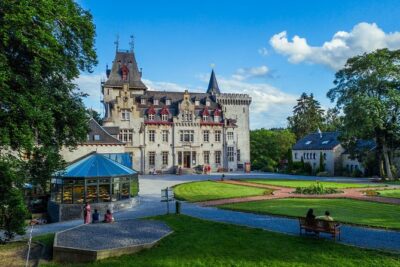

Discover Dinant while playing! Escape game – The alchemist
Read our review →
Liege Scavenger Hunt and Highlights Self Guided Audio Tour
Read our review →Browse the lists this tour appears in