
Reviewed · BRUGES TOURS
Private Vimy and Belgium Canadian Battlefield Tour from Bruges
The most powerful part of this day is the contrast between quiet fields and the stories tied to them. At Vimy, you walk through preserved Canadian and German trenches and enter the Grange Tunnel, where Canadian troops waited before the 1917 assault. Later, under Ypres’ Menin Gate, you attend the Last Post ceremony.
I like the private format, which gives your group room to ask questions and spend more time at places that matter to you. I also like the clear Canadian focus, from Vimy Ridge to the Princess Patricia’s Canadian Light Infantry Memorial and John McCrae’s Essex Farm connection. The drawback is the long day and a fair amount of driving, with one past account noting that the road from Bruges to Vimy felt quiet without enough explanation along the way.
Key points
- Vimy’s trenches and Grange Tunnel: Walk through preserved First World War positions and see where Canadian troops gathered before the attack.
- A strong Canadian focus: Visit memorials tied to Vimy, Hill 62, Frezenberg, and the Princess Patricia’s Canadian Light Infantry.
- Tyne Cot’s scale: See the largest Commonwealth War Graves Commission cemetery, with about 12,000 burials and 35,000 names on its memorial.
- Ypres and the Last Post: Enjoy an hour in the city before attending the daily ceremony beneath Menin Gate.
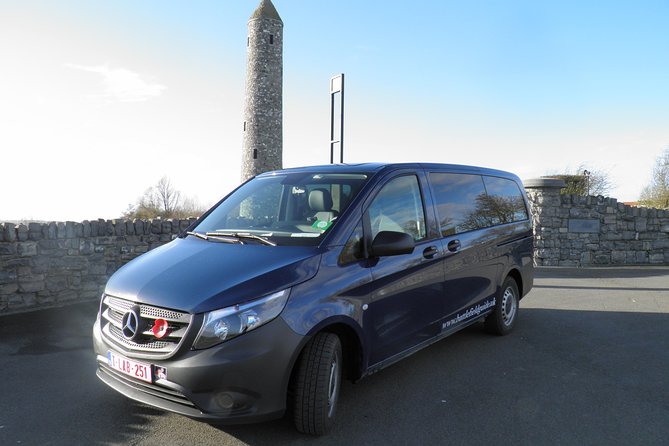
- Private transport from Bruges: Travel in an air-conditioned minivan with hotel pickup and drop-off.
- A full package: Lunch, guide service, local taxes, and transportation are included in the listed price of $535.86 per person.
Why this Bruges battlefield day feels different
This is not a general tour of Belgian sights with a brief war memorial stop. It follows the Canadian story across Flanders and northern France, linking major sites by battle, regiment, and remembrance.
That focus matters. Vimy Ridge, Hill 62, Frezenberg, and the Canadian memorials near Ypres are not interchangeable stops. Each marks a different part of Canada’s First World War experience, and the route gives you a better sense of how widely the fighting spread.
You leave Bruges at 8:30 a.m. and return after the Last Post ceremony, making this roughly a 10-hour outing. It is a serious day, not a relaxed countryside drive with a little history added. If you are interested in military history, family connections, Canadian identity, or memorial design, the packed schedule gives you a lot to work with.
The private setup is especially useful here. You are not tied to the questions or pace of a large group. Claude Verhaeghe is the named guide associated with this experience, and the strongest praise focuses on his passion and ability to explain battlefield positions while showing where the front lines were. Still, you should ask for commentary during the longer drives. One less favorable account describes the first 90 minutes from Bruges to Vimy as too quiet and says the guide did not point out enough along the way.
More Flanders Fields memorial tours:
- From Bruges: Great War Flanders Fields Minibus Tour w/ Lunch
★ 4.9 · 1,257 reviews - Flanders Fields Remembrance Tour from Bruges
★ 4.5 · 207 reviews - From Bruges: Flanders Fields Remembrance Full-Day Trip
★ 4.8 · 65 reviews
Vimy Ridge and the Grange Tunnel
Vimy is the anchor of the day, and the tour allows about three hours here. That is a sensible allocation because the site is more than a monument and a quick photograph.
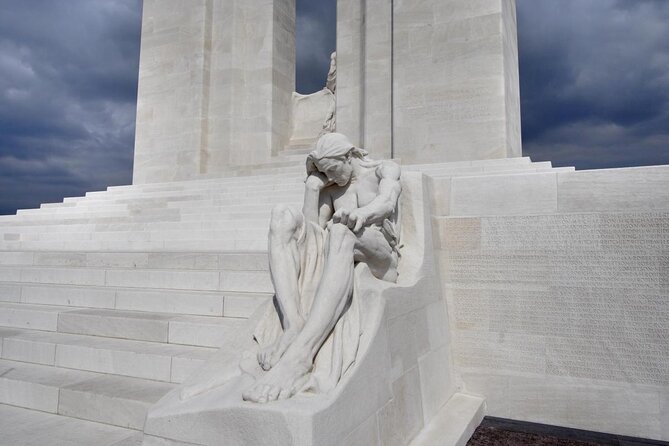
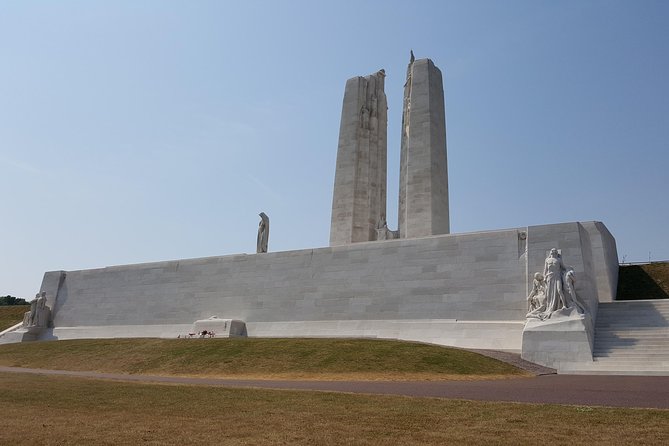
You first get a view across the Douai plain near the Canadian National Vimy Memorial. The memorial itself is one of the most recognizable Canadian First World War sites, but the ground around it gives the visit its force. You can walk through preserved Canadian and German trenches and see how close opposing positions once were.
The Grange Tunnel adds a more physical sense of preparation for battle. You go below ground into the tunnel where Canadian troops waited for hours before the assault in April 1917. This is one of the rare moments on a battlefield tour when you are not only looking at a monument or cemetery. You are moving through part of the wartime setting itself.
A newly built visitor centre is also part of the stop. The tour description does not specify how much time is assigned inside, so ask your guide how it fits into the three-hour visit. With trenches, tunnel, memorial, views, and visitor facilities all competing for attention, three hours can pass quickly.
I would treat Vimy as the place where you want the clearest explanations. Ask about the Canadian divisions, the assault, and how the preserved trench lines relate to the memorial grounds. The private format gives you a good chance to shape that conversation.
Ploegsteert, Hill 62, and the Canadian front
After Vimy, the route moves through several smaller sites that add detail to the Canadian story. The Ploegsteert Memorial to the missing is one of these brief but meaningful pauses. The stop is not assigned a specific duration, so your time there may depend on the day’s pace.
Hill 62, also called Sanctuary Wood, receives about 30 minutes. Canadian soldiers fought here in the spring of 1916, before the later battles connected with Vimy. The Canadian memorial gives you a place to consider how the war was fought over repeated stretches of ground, with units returning to sectors already marked by earlier losses.
This stop is shorter than Vimy, so expect a focused visit rather than a long walk. I like the inclusion because it prevents the day from reducing Canada’s First World War story to one famous ridge. You see another part of the front and another Canadian battle setting.
The Princess Patricia’s Canadian Light Infantry Memorial at Frezenberg is a 15-minute stop. It marks the place where the regiment was nearly wiped out in May 1915. That short visit may feel abrupt, but the location carries a sharp reminder of how quickly a regiment could be shattered.
At these smaller memorials, your guide’s explanations matter more than the amount of time on the ground. Claude has been praised for explaining battles and showing where front lines lay. Ask him to connect the memorial, the regiment, and the surrounding terrain rather than treating each stop as a standalone photo opportunity.
Tyne Cot and the weight of the missing
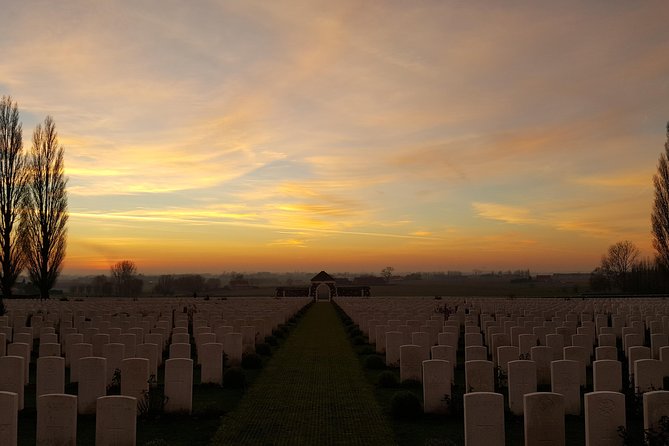
Tyne Cot Cemetery is one of the day’s largest sites, with about 30 minutes scheduled. It contains roughly 12,000 burials and a memorial listing the names of about 35,000 soldiers who have no known grave.
The scale changes the mood of the tour. At smaller cemeteries, you may focus on individual names or a single unit. At Tyne Cot, the number itself becomes difficult to grasp. The cemetery records the dead who were buried there, while the memorial reaches far beyond those graves to soldiers whose remains were never identified.
Thirty minutes is enough for a respectful visit and a look at the main features, but you may want more time if you read names or seek a particular regiment. Because this is a private tour, you can tell your guide if you need a few quiet minutes rather than a constant stream of commentary.
This is also a good point to remember that the tour is not only about Canadian sites. Tyne Cot is a Commonwealth cemetery serving a much wider story of the war. The Canadian thread remains important, but the setting places it within the wider Allied effort in Flanders.
A few more Bruges half-days to weigh up
- Bruges: Small Group Boat Cruise and Guided Walking Tour
★ 4.8 · 4,102 reviews - Bruges: Walking Tour, Canal Boat Trip w/Beer Tasting Option
★ 4.4 · 2,759 reviews - Historical Walking Tour: Legends of Bruges
★ 5.0 · 2,541 reviews - Bruges: Choco-Story Chocolate Museum Guided Tour w/Tastings
★ 4.2 · 1,379 reviews
Saint Julien and the first gas attack
The Saint Julien Memorial is home to the Brooding Soldier, a monument erected where the first gas attack took place in the spring of 1915. The scheduled visit lasts about 15 minutes.
This is a short stop, but it introduces a different kind of wartime memory. The monument’s pose and name point toward reflection rather than triumph. You are not simply looking at a marker for a battle. You are confronting the arrival of chemical warfare and its effect on soldiers at the front.
Use the time to ask what happened at this location and how the Canadian presence fits into the event. The schedule does not allow for a long walk, so the quality of the explanation will shape the visit.
Langemark Cemetery and the German perspective
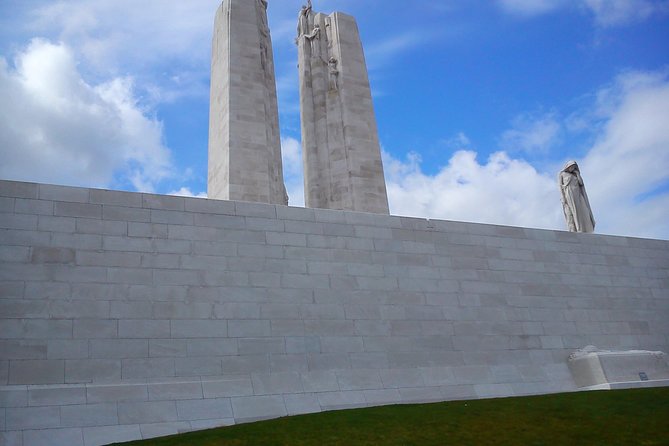
Langemark Cemetery provides a useful change in viewpoint. The tour pauses for about 30 minutes at this German cemetery and specifically invites you to notice how it differs from the Allied cemeteries.
That comparison can be one of the more thoughtful parts of the day. The cemetery design, names, and tone give you a chance to see how different nations memorialized their dead after the same conflict. The stop is not just another list of casualties. It asks you to look at how remembrance is shaped by national experience.
I appreciate this inclusion because it keeps the tour from presenting the battlefield through only one side’s memorial tradition. You still follow a Canadian-centered route, but Langemark adds a broader view of the war and its aftermath.
Essex Farm and John McCrae
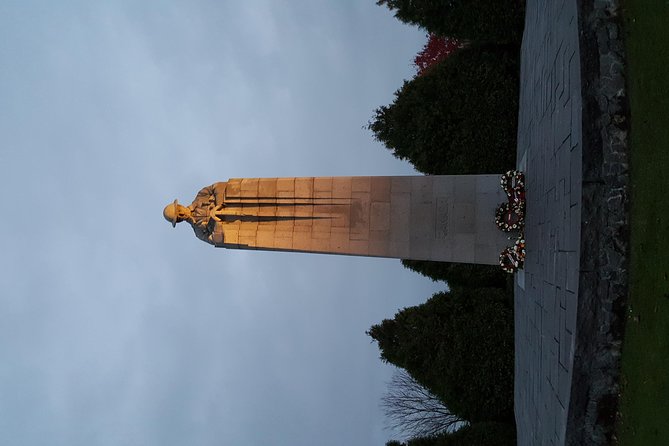
Essex Farm Cemetery is a brief 15-minute stop connected with John McCrae, who wrote the poem In Flanders Fields. For many people, this will be one of the most familiar names and literary links of the day.
The short visit works best if you already know why the poem matters, or if your guide provides enough context to connect McCrae’s writing with the cemetery and the surrounding fighting. Do not expect a long literary presentation. This is a compact stop within a busy route.
Even so, the connection gives the day a human voice. The tour moves among military units, battle lines, cemeteries, and memorial walls. Essex Farm reminds you that the war also left its mark through poetry that shaped later remembrance.
Lunch and the hour in Ypres
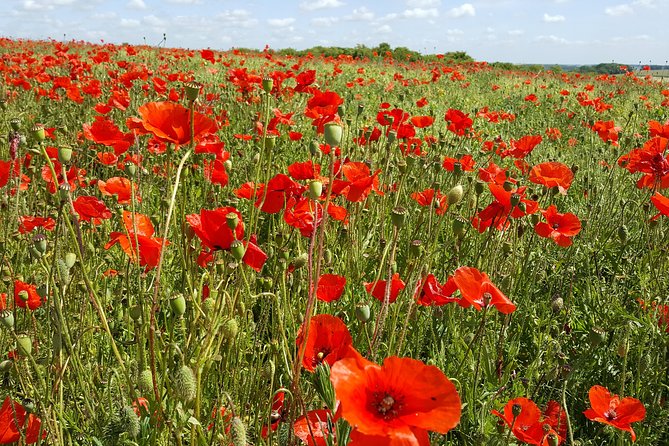
Lunch is included, which helps on a 10-hour tour. Alcoholic drinks are not included, though they can be purchased. The supplied details do not name the restaurant or specify the menu, so do not book this expecting a particular dining experience.
Ypres provides the main break in the memorial schedule. You get about an hour of free time around the Cloth Hall and main square, with views of the cathedral and other notable buildings. This is your chance to stretch your legs, see the city at your own pace, and take a mental break from cemeteries and battle sites.
The free time is useful, but one hour is not enough for an extended city visit. I would use it for a short walk, lunch if the timing allows, and a look at the Cloth Hall. Keep an eye on the meeting time because the Last Post ceremony is the fixed emotional finish of the day.
Ypres also helps you understand the scale of wartime destruction and rebuilding. The town’s grand buildings and central square are part of the setting, but the day’s focus remains remembrance rather than general sightseeing.
The Last Post beneath Menin Gate
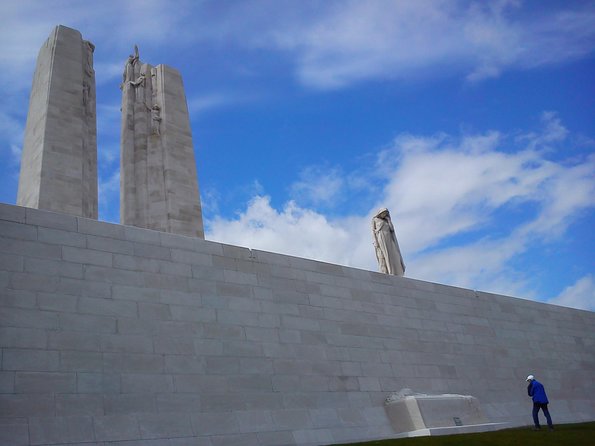
The Last Post ceremony is scheduled for one hour and is the closing event before the drive back to your hotel. You attend beneath Menin Gate, one of Ypres’ best-known memorial spaces.
This is the moment many people will remember most clearly. After a day spent visiting individual battle sites and cemeteries, the ceremony gathers remembrance into one public ritual. You are no longer standing alone beside a grave or marker. You are part of a shared act of respect.
The tour’s timing is built around this ceremony, which is a major advantage. You do not have to arrange separate transport back to Bruges afterward, and the private minivan brings you to your hotel.
The ceremony also makes the day run late. Since departure is at 8:30 a.m. and the tour lasts around 10 hours, plan for a full day away from Bruges. You will want comfortable shoes and enough energy for repeated short walks, even though the transport reduces the physical strain.
What the $535.86 price really covers
At $535.86 per person, this is not a budget excursion. The price becomes easier to judge if you look at what is bundled into the day: private transport in an air-conditioned minivan, hotel pickup and drop-off, a professional driver-guide, lunch, local taxes, and all listed battlefield stops.
For two people, the cost buys a private experience rather than a seat on a standard coach. That can be good value if you care about asking questions, setting the pace, and keeping the day centered on Canadian sites. It is also practical if you are staying in Bruges and do not want to arrange separate transport across Belgium and into northern France.
The value is weaker if you prefer a slow visit to one or two sites. The tour covers a lot of ground, and several stops last only 15 or 30 minutes. You are paying for access to a broad route and a private guide, not for long, unhurried time at every memorial.
Group discounts are offered, and at least two people are required to book. A larger private group may make the per-person cost more appealing, but the exact discount is not provided, so check the current price before deciding.
Who will enjoy this tour most
I would choose this experience if you want the Canadian part of the First World War explained across several locations in one day. It suits people with a strong interest in military history, memorials, Canadian regiments, cemetery design, or family service records.
It also works well if you value convenience. Hotel pickup and drop-off remove the need to manage several train, taxi, or rental-car connections. The air-conditioned minivan is a practical choice for a route that crosses multiple sites.
The tour is less suited to you if your priority is sightseeing in Ypres or Bruges. Ypres receives about an hour, and Bruges is mainly the starting and ending point. It is also not ideal if you dislike long days or need a slow pace at cemeteries.
Most people can participate, and service animals are allowed. The experience is private, so only your own group joins the activity. Confirmation is provided when you book, and free cancellation is available up to 24 hours before the start time.
Should you book the Vimy and Belgium Canadian Battlefield Tour?
Book it if you want a focused Canadian route with Vimy, preserved trenches, Grange Tunnel, Hill 62, Tyne Cot, Essex Farm, Ypres, and the Last Post ceremony all in one day. The private vehicle, included lunch, and hotel service make a complicated route much easier.
Before you go, ask your guide to provide commentary during the drive from Bruges, especially on the way to Vimy. That small request addresses the main concern raised about the experience and helps you get more from the long travel time.
I would not choose it for a casual day trip. I would choose it for a purposeful day of remembrance, especially if Claude Verhaeghe is guiding and you want someone who can explain the front lines and Canadian battles in person. The schedule is full, but the range of places gives you a clearer sense of the cost of the war than any single memorial can provide.
FAQ
Where does the tour begin?
The tour begins with hotel pickup in Bruges at 8:30 a.m.
How long does the experience last?
The tour lasts approximately 10 hours.
Is this a private tour?
Yes. Only your group participates in the activity.
What transport is provided?
Transport is provided in an air-conditioned minivan, with hotel pickup and drop-off included.
Is lunch included?
Yes. Lunch is included. Alcoholic drinks are not included but are available to purchase.
Does the tour visit the Canadian National Vimy Memorial?
Yes. You visit the memorial area, preserved Canadian and German trenches, the Grange Tunnel, and the visitor centre. About three hours are allocated to this stop.
Can I attend the Last Post ceremony on this tour?
Yes. The tour includes attendance at the Last Post ceremony beneath Menin Gate in Ypres before returning you to your hotel.
Just added around Bruges
- Private taxi Transfer from Bruges to Amsterdam★ 5.0 · 3 reviews
- Bruges Photo Session By a Pro★ 5.0 · 3 reviews
- Best of Brussels Private Tour from Zeebrugge or Bruges★ 4.0 · 3 reviews
- Private 3-hour walking tour of Bruges with official tour guide★ 4.0 · 3 reviews
- BeerWalk Bruges (French guide)★ 5.0 · 3 reviews
- Brussels: Private & Customizable Day Trip to Bruges★ 5.0 · 3 reviews
- Private: Discover Bruges beers & brewery with chocolate pairing by a young local★ 5.0 · 3 reviews
- Bruges: Ticket Volkskundemuseum (Folk Museum)★ 5.0 · 3 reviews
Bruges Tours, compared.
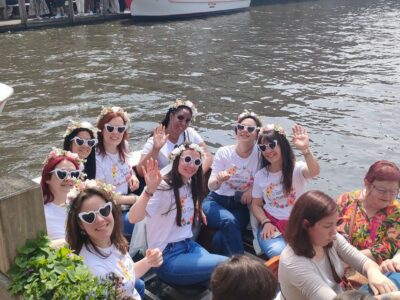
Small Group Boat Cruise and Guided Walking Tour
Read our review →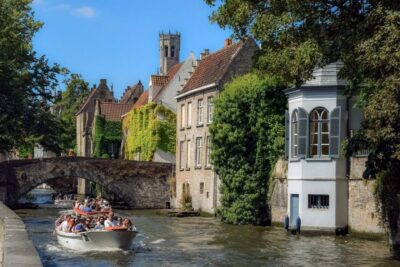
Walking Tour, Canal Boat Trip w/Beer Tasting Option
Read our review →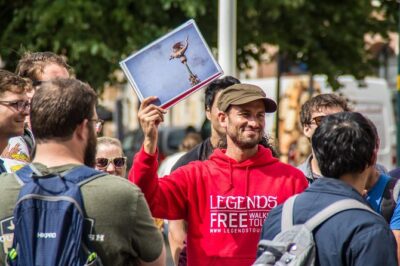
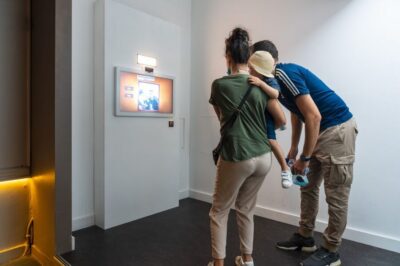
Choco-Story Chocolate Museum Guided Tour w/Tastings
Read our review →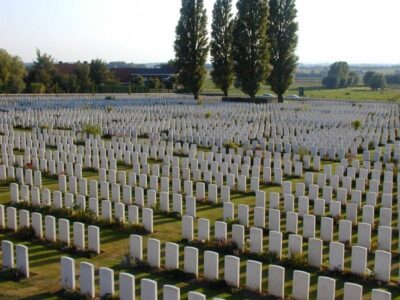
From Bruges: Great War Flanders Fields Minibus Tour w/ Lunch
Read our review →

Belgian Waffle-Making Workshop with Beer Tasting
Read our review →
Browse the lists this tour appears in