
Reviewed · BRUGES TOURS
Handcraft your own silver ring in Bruges
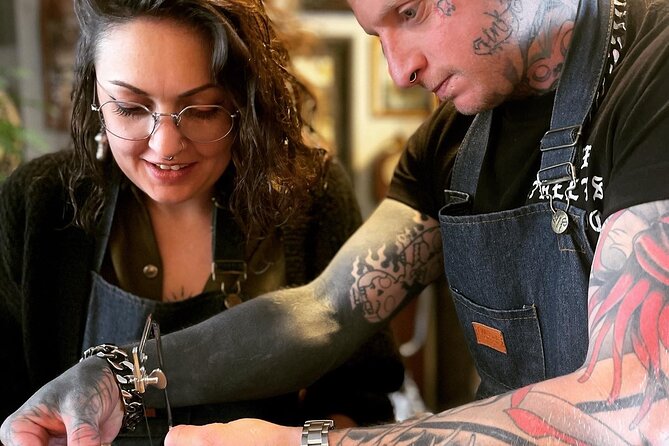
Turning a plain strip of sterling silver into a ring you designed yourself is the heart of this Bruges workshop. You measure it, cut it, stamp a message inside, shape it with mallets, and choose the final finish. The result is not a souvenir pulled from a shop shelf. It is a small piece of Bruges that carries your fingerprints and decisions.
I like the small group size, capped at eight, because ring-making needs hands-on help. I also like the chance to add a date, name, or phrase inside the band, then choose polished, satin, or rough forged metal. The main consideration is the price: at $210.84 per person, this costs far more than a ready-made souvenir, so you should value the making as much as the silver itself.
Key points to know before booking
- You make the ring from start to finish: The class covers design, measuring, cutting, shaping, soldering, texture, and finishing.
- Your inscription goes inside the band: Stamp a name, date, or favorite phrase before the ring is formed.
- The class takes about two and a half hours: Plan enough time for careful work, especially if you want a detailed texture or marking.
- The group is limited to eight people: That gives the course leader room to help with fit and shaping.
- It suits children age 10 and older: The provider advises the workshop for ages 10+, while parents decide if a child is ready.
- Wear closed-toe shoes: Sandals and flip-flops are not permitted.
Why this Bruges workshop feels different from souvenir shopping
Bruges is full of attractive keepsakes, from chocolate to lace, but many can be bought in a few minutes. This class asks you to slow down and make something. That changes the value of the souvenir. You are not just taking home an object from Bruges. You are taking home the memory of choosing its shape, marking it, and working the metal into form.
The workshop takes place at The Silver Hand, at Langestraat 50 in Bruges. The activity begins and ends there, so you do not spend part of the session moving between several locations. The experience is offered in English, which keeps the instructions clear for an international audience.
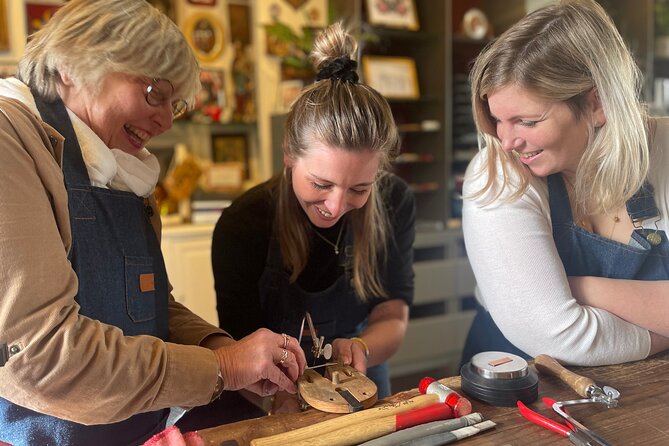
The format is social without being a large craft demonstration. The maximum group size is eight, and the setup encourages people to work alongside one another. A group of four couples, for example, can make the class feel like a shared activity while still leaving room for individual designs.
I would especially consider this for couples, friends, and families who want an activity with a lasting result. It also works well for anyone who has already seen the main sights and wants a quieter, more creative way to spend part of a Bruges visit.
A few more Bruges half-days to weigh up
- Bruges: Small Group Boat Cruise and Guided Walking Tour
★ 4.8 · 4,102 reviews - Bruges: Walking Tour, Canal Boat Trip w/Beer Tasting Option
★ 4.4 · 2,759 reviews - Historical Walking Tour: Legends of Bruges
★ 5.0 · 2,541 reviews
Choosing the shape before the silver takes form
The class begins with design. You choose the shape and style of the ring before cutting the metal, giving you a chance to think about the look you want rather than rushing straight into the tools.
This first stage matters because a simple band can still feel personal. You might prefer a clean, smooth form, or you might want visible hammer marks and a rougher forged appearance. The available options let you decide how much of the finished piece should look refined and how much should show the work behind it.
The course leader helps you understand the choices and keeps the design practical. That guidance is important for first-time makers. You do not need to arrive with metalworking experience or a technical drawing, but you do need to make a few decisions about shape, style, and finish.
A possible limitation is that the experience is focused on making a ring, not on producing a large piece of jewelry or several items. If your main goal is a full jewelry-making course, this is a short, focused workshop. If you want one wearable souvenir, the tight focus works in its favor.
Measuring and cutting the sterling silver
Next, you decide which finger will wear the ring. The silver is measured and cut to fit that finger, turning the design from an idea into a workable strip of metal.
Fit is one of the most useful parts of having a course leader nearby. Ring sizing can be tricky, especially when you are making a band yourself. The course leader helps refine the shape and check the fit instead of leaving you to guess.
You should think about the intended finger before the class begins. The experience allows you to choose the finger, but the supplied information does not promise a particular sizing range or a way to make multiple rings from one booking. Treat this as a personal ring-making session for one person.
The cutting stage also gives the class a satisfying sense of progress. You start with a piece of sterling silver and gradually remove the distance between raw material and finished object. That hands-on sequence is a major reason the price can make sense for someone who wants more than a purchased trinket.
Stamping a date, name, or private message
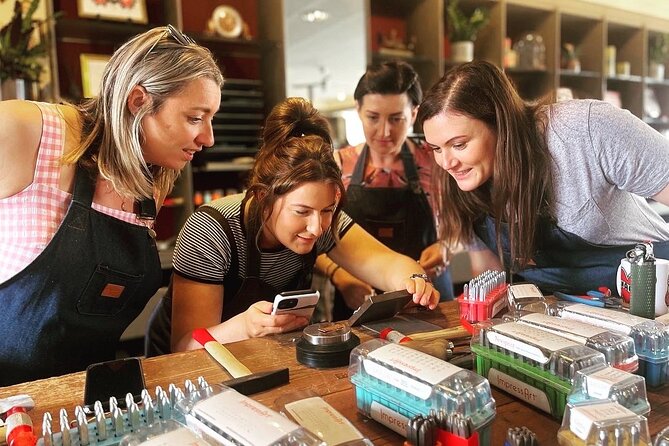
Before the ring is closed, you can add hand-stamped lettering to the inside. A date, name, or favorite phrase turns the band into something more personal, and the inside placement keeps the message private unless you choose to show it.
This is one of my favorite details. A visible design can be attractive, but an inscription gives the ring a story that is not obvious to everyone else. You could mark a birthday, anniversary, travel date, or short phrase connected to your time in Bruges.
Keep the message short and practical. The supplied information does not specify the number or style of hand stamps, so you should expect the course leader to explain the available choices during the session. A compact inscription is likely to be easier to fit neatly than a long sentence.
The stamping is also where the ring becomes clearly yours. Two people can follow the same class and leave with noticeably different pieces because their messages, marks, textures, and finishes vary.
Same city, a completely different way to spend a day:
- Bruges: Choco-Story Chocolate Museum Guided Tour w/Tastings
★ 4.2 · 1,379 reviews - From Bruges: Great War Flanders Fields Minibus Tour w/ Lunch
★ 4.9 · 1,257 reviews - Bruges: Guided Rickshaw Tour
★ 4.9 · 1,199 reviews - Round-Trip Shuttle Service from Zeebrugge to Bruges
★ 4.0 · 1,143 reviews
Shaping the band with mallets and a triblet
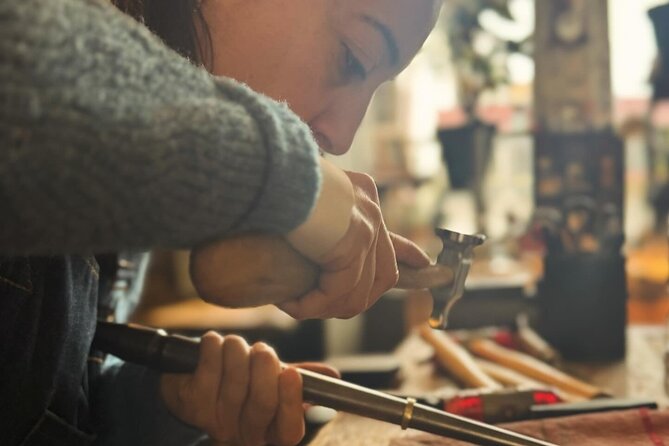
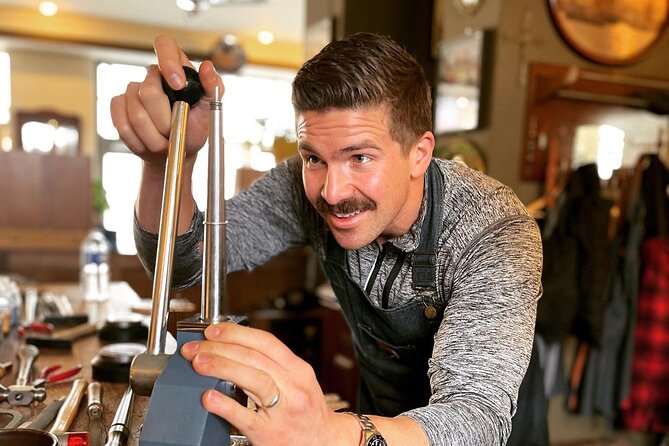
Once the silver is cut and marked, you use mallets and a triblet to give it a rounded ring shape. This is the most physical part of the class, but it is not presented as a demonstration where you simply watch. You take part in the shaping.
A triblet is a tapered tool used to form rings, and the mallets help bend the silver around it. The course leader shows you how to work the metal and helps keep the shape even. That support is especially useful when the ring begins as a rough curve rather than a perfect circle.
The process has a pleasant handmade quality. Small differences in the hammering can remain visible, particularly if you later choose a rough forged finish. If you want a flawless, factory-like band, discuss that preference early and pay close attention during shaping and finishing.
The class is recommended for children age 10 and older, but parents are left to judge a child’s ability to take part. The tools and heat involved mean that an adult should think realistically about a child’s patience and ability to follow instructions.
Soldering the ends into a ring
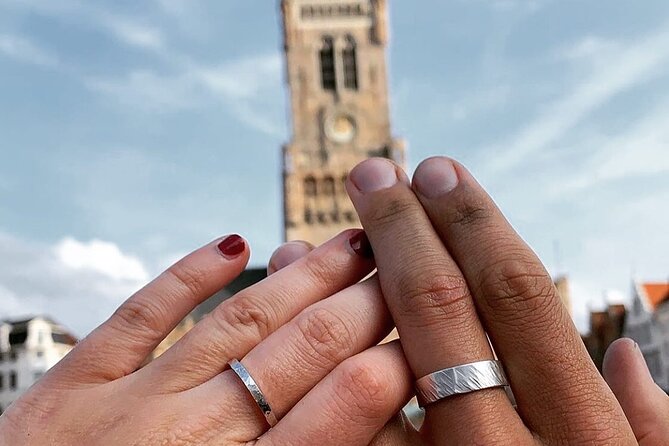
The course leader demonstrates how to heat and solder the silver, joining the two ends. This is a key point in the process because the flat strip becomes a complete band.
You take part in the wider sequence, but the supplied details specifically say the course leader demonstrates the heating and soldering. That distinction is useful. You can expect instruction and supervision around this technical stage rather than being left to manage the heat on your own.
For many people, soldering is the part that makes the workshop feel like real craft rather than simple assembly. It is also the point where careful work matters most. If the ends do not meet neatly, the final ring may need more shaping and refinement.
The course leader continues to help after the join is made. The ring is checked for comfort and reshaped as needed, so the workshop is not finished the moment the silver is soldered.
Checking the fit and refining the circle
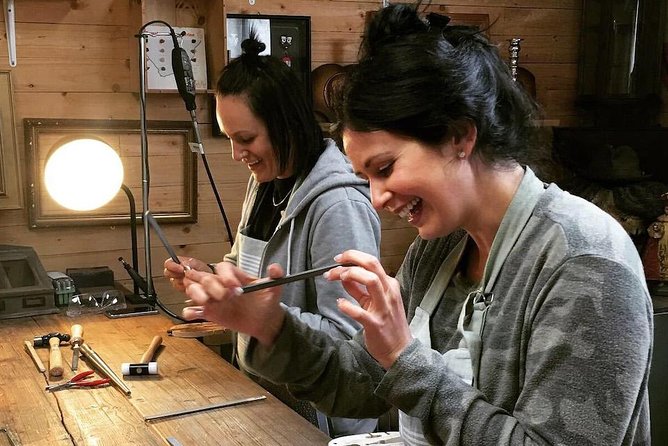
After soldering, you try the ring on and refine its shape. This is a practical step, not just a final glance. The aim is a comfortable fit and a more polished form.
I like that fit is built into the class instead of treated as your responsibility alone. Handmade rings can look charming while still feeling awkward on the finger. Having the course leader help refine the shape gives you a better chance of leaving with something you will actually wear.
You should still speak up if the ring feels too tight, loose, sharp, or uneven. The workshop is designed around personal choices, and this is the right time to communicate what feels comfortable before the final finish is applied.
The final shape may retain some evidence of the making process. That is part of the appeal for many people, but it is worth knowing if you prefer perfectly uniform jewelry.
Adding textures and choosing the final finish
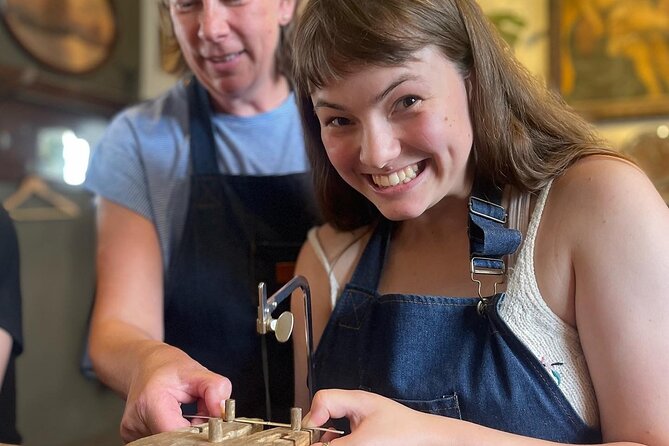
Once the ring has its basic form, you can add textures or markings. These details can make a narrow band more expressive without requiring a complicated design.
The last choice is the finish: polished, satin, or rough forged. A polished finish gives the ring a cleaner look. Satin offers a softer, less reflective appearance, while the rough forged option allows more of the hammering character to remain visible.
This choice helps you match the ring to your own taste. It also lets couples or friends create pieces from the same class that do not look identical. One person might choose a smooth polished band, while another might prefer a more visibly handmade surface.
The finish is where you decide how much of the process should remain on display. A highly polished ring can look more like traditional jewelry, while a rough forged surface makes the workshop itself part of the design.
Is $210.84 a fair price?
At $210.84 per person, this is a costly activity by ordinary Bruges sightseeing standards. You are paying more than the value of the raw silver alone. The price also reflects about two and a half hours of instruction, use of workshop tools, help with sizing and shaping, and a finished sterling silver ring.
The value is strongest if you would otherwise buy a meaningful piece of jewelry or pay for a special activity during your trip. The ring is both the product and the record of the experience. If you only want an inexpensive memento, chocolate, lace, or a small shop-bought item will be easier on your budget.
The workshop received a five-star rating from 24 reviews, with 100 percent recommending it. The most praised points are the fun of making the ring from a piece of silver, the friendly and engaging course leader, and the fact that the finished pieces feel personal rather than mass-produced.
I would compare this with the cost of a jewelry purchase you already planned to make. If you want sterling silver and enjoy making things with your hands, the price may feel justified. If you are mainly looking for a quick activity between sightseeing stops, it is probably too expensive.
Timing, location, and what to wear
The session lasts approximately two hours and 30 minutes. That is long enough to cover the full process without turning the class into a full-day commitment, but you should not schedule another important activity immediately afterward.
The meeting point is Langestraat 50, 8000 Brugge, Belgium. Public transportation is nearby, and the activity returns to the same point when it ends. A mobile ticket is accepted, and confirmation is provided at booking.
Wear closed-toe shoes. Sandals and flip-flops are not allowed, so this is one time to choose practical footwear over holiday style. The workshop is animal friendly, and service animals are allowed.
The class is offered in English. Since the work involves measuring, tools, heat, and fit, you should be comfortable following spoken instructions in English.
This experience is often booked about 44 days in advance. That does not guarantee that every date sells out, but it is a useful sign that you should reserve ahead if the class is important to your Bruges plans.
Cancellation and who should book
Free cancellation is available if you cancel at least 24 hours before the local start time. Cancellations or changes made less than 24 hours ahead are not accepted for a refund, so check your schedule before booking.
I would book this for a couple who wants a shared keepsake, friends who enjoy craft projects, or a family with a child age 10 or older who can handle a focused workshop. It is also a good choice for a solo visitor who likes meeting other craft-minded people in a small group.
I would skip it if you dislike hands-on work, want a low-cost souvenir, or prefer a passive tour with plenty of sightseeing. The finished ring is the reward, but the making is the main event.
Should you book The Silver Hand ring workshop?
Book it if you want a personal Bruges memento and are happy to pay for the time, guidance, and making process. The custom inscription, choice of finish, small group, and help with fit give the class more substance than a basic craft demonstration.
Think carefully about the price and the two-and-a-half-hour commitment. For the right person, this is a memorable piece of jewelry made during the trip. For someone seeking a cheap or quick activity, it will not be the best match.
FAQ
Where does the ring-making workshop take place?
The workshop begins at The Silver Hand, Langestraat 50, 8000 Brugge, Belgium.
Where does the activity end?
The activity ends back at the meeting point on Langestraat.
How long does the experience last?
It lasts approximately two hours and 30 minutes.
How much does the workshop cost?
The listed price is $210.84 per person.
Is the workshop offered in English?
Yes. The experience is offered in English.
How many people can join the class?
The maximum group size is eight people.
What will I make during the class?
You will handcraft one sterling silver ring, from design and measuring through shaping, soldering, and finishing.
Can I add an inscription to the ring?
Yes. You can use hand stamps to add a name, date, or favorite phrase inside the ring.
What should I wear?
You must wear closed-toe shoes. Sandals and flip-flops are not permitted.
Is the workshop suitable for children?
The workshop is advised for children age 10 and older, but parents decide if their child is able to participate.
Are service animals allowed?
Yes. Service animals are allowed, and the workshop is animal friendly.
Can I cancel for a full refund?
Yes, if you cancel at least 24 hours before the experience start time. Changes or cancellations made less than 24 hours before the start are not accepted for a refund.
Just added around Bruges
- Private taxi Transfer from Bruges to Amsterdam★ 5.0 · 3 reviews
- Bruges Photo Session By a Pro★ 5.0 · 3 reviews
- Best of Brussels Private Tour from Zeebrugge or Bruges★ 4.0 · 3 reviews
- Private 3-hour walking tour of Bruges with official tour guide★ 4.0 · 3 reviews
- BeerWalk Bruges (French guide)★ 5.0 · 3 reviews
- Brussels: Private & Customizable Day Trip to Bruges★ 5.0 · 3 reviews
- Private: Discover Bruges beers & brewery with chocolate pairing by a young local★ 5.0 · 3 reviews
- Bruges: Ticket Volkskundemuseum (Folk Museum)★ 5.0 · 3 reviews
Bruges Tours, compared.
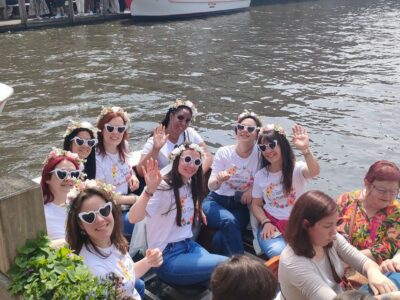
Small Group Boat Cruise and Guided Walking Tour
Read our review →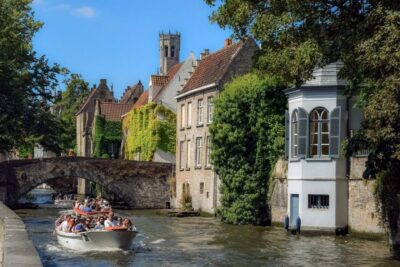
Walking Tour, Canal Boat Trip w/Beer Tasting Option
Read our review →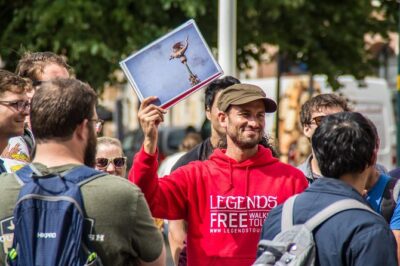
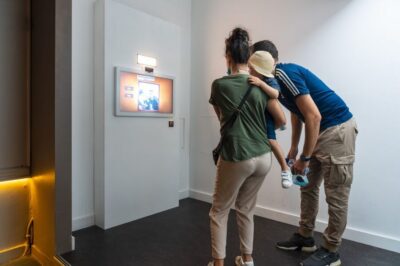
Choco-Story Chocolate Museum Guided Tour w/Tastings
Read our review →
From Bruges: Great War Flanders Fields Minibus Tour w/ Lunch
Read our review →
Belgian Waffle-Making Workshop with Beer Tasting
Read our review →
Browse the lists this tour appears in