
Reviewed · BRUGES TOURS
💛 Tell Me About Bruges 🏰 1000 Years of Stories by Locals ⭐
Bruges is far more than pretty canals and picture-book buildings. This tour uses local storytelling and theatrical humor to explain how the city became one of medieval Europe’s richest trading centers, then sank into poverty, and later found a new lease on life. I like the two-hour route because it gives you a clear first look at the old center without burying you in dates.
I also like the free walking tour format, which keeps the upfront cost low and lets you tip the storyteller at the end. Guides such as Pascal, Steve, Gosia, Nikki, Arthur, and Sophie have been praised for turning history into lively sketches and funny stories. The main consideration is the weather: much of this is outdoors, and the pace can feel brisk on a cold or rainy day.
Key points before you book
- Bruges through local stories: Hear about medieval wealth, city rivalries, love, conflict, feminism, finance, chocolate, and beer.
- A practical first walk: The route links Market Square, Burg Square, the canals, major churches, and the old hospital district.
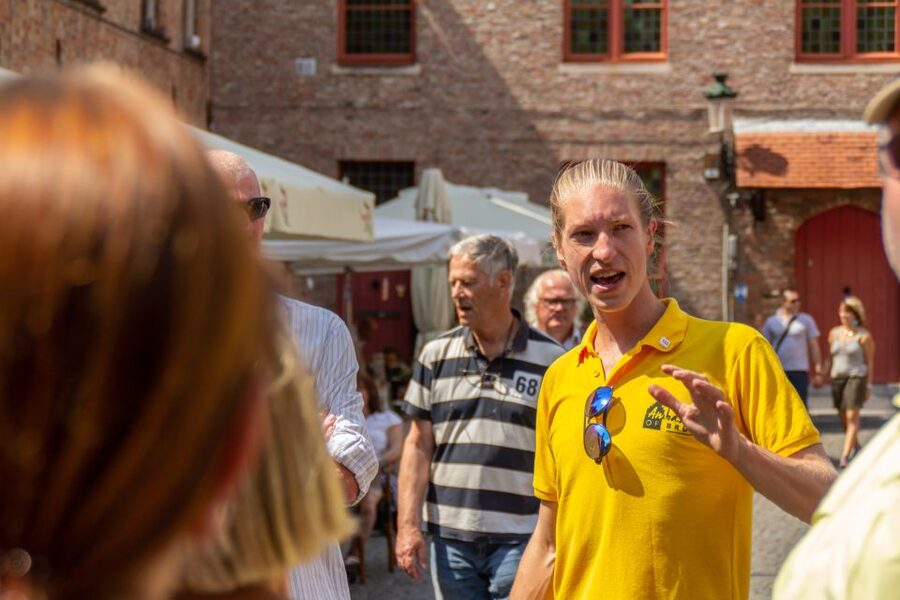
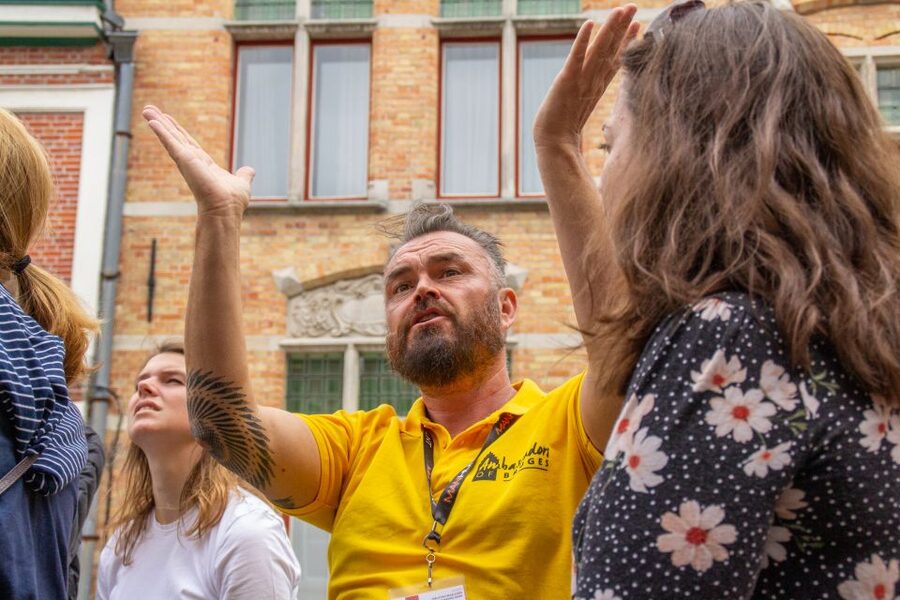
- A performance as well as a tour: Guides may use humor, character work, and animated gestures to bring old events to life.
- A low-cost way to get oriented: The listed price is about $3.41 per person, with the free-tour model based on a tip at the end.
- Small bookings matter: Each booking is limited to six people. Larger parties need to arrange a private tour.
- English and wheelchair accessible: The tour is conducted in English and is described as wheelchair accessible.
Why Bruges makes a good walking-tour city
Bruges is compact, and its best sights sit close together in the medieval center. That makes walking more useful than riding from place to place. You can connect the city’s grand squares with its narrow lanes, bridges, canals, and old commercial quarters in a short time.
The point of this experience is not to enter every major building. You get outside explanations and a useful orientation, while museum admission remains your responsibility. That is a fair trade for a first walk, especially if you plan to return later to places such as the Gruuthusemuseum, Church of Our Lady, or St. John’s Hospital.
The route also gives Bruges a story arc. You hear about its golden periods, its decline into one of Belgium’s poorest cities, and its later revival. That wider view helps you understand why the city’s polished medieval center can feel both preserved and slightly frozen in time.
A few more Bruges half-days to weigh up
- Bruges: Small Group Boat Cruise and Guided Walking Tour
★ 4.8 · 4,102 reviews - Bruges: Walking Tour, Canal Boat Trip w/Beer Tasting Option
★ 4.4 · 2,759 reviews - Historical Walking Tour: Legends of Bruges
★ 5.0 · 2,541 reviews
Meeting the yellow umbrella at Markt
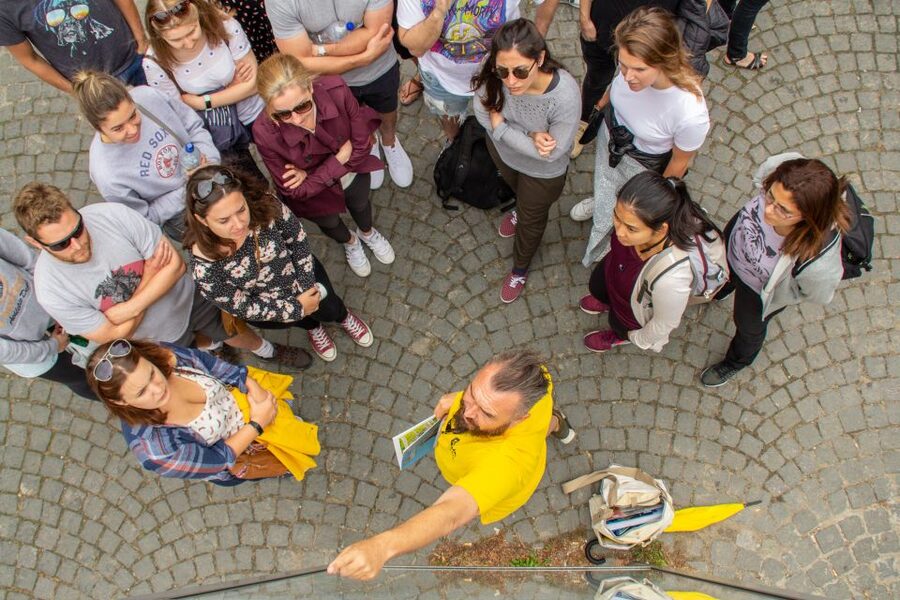
Look for the guide holding a yellow umbrella marked Ambassadors in front of the Belfry Tower on Markt, Bruges’ main square. This is an important detail because the square can be crowded, and several walking groups may gather nearby.
Markt is a strong starting point. The square brings together the Belfry, the Provincial Court, historic façades, and the statues of Pieter de Coninck and Jan Breydel. Your guide begins setting the scene here, explaining the people and power behind Bruges’ medieval story.
You will spend about 18 minutes in the Markt area, with another short stop near the statues and Provincial Court. This is where the guide can explain how commerce, civic pride, and political struggle shaped the city. The Belfry receives about 10 minutes of attention, enough to understand its role as a symbol of independence and civic authority.
You do not climb the Belfry on this walk, and admission to museums or other attractions is not included. If you want to go inside or climb later, use this introduction to decide where to spend your independent time.
From the Belfry to Burg Square
After Markt, the group walks past the Bruges Beer Experience and continues to Burg Square. The beer stop takes only a few minutes, but it links the city’s medieval trade story with one of Belgium’s best-known modern pleasures.
Burg is the political heart of old Bruges. Here you see Bruges City Hall and the surrounding civic buildings, with about eight minutes devoted to the square and a short explanation at City Hall. The guide’s job here is to make the stonework readable: who governed, who paid, and why this small area carried so much authority.
Blinde-Ezelstraat follows, a short lane that leads toward the Fish Market. The name and setting give the guide room to discuss Bruges’ colorful local character, while the Fish Market and Huidenvettersplein shift the story toward trade and working life.
The Huidenvettersplein stop lasts about seven minutes. It is a useful contrast to the grand squares because it connects the city’s beautiful center with the occupations and commerce that made Bruges wealthy.
Rosary Quay and the canal views
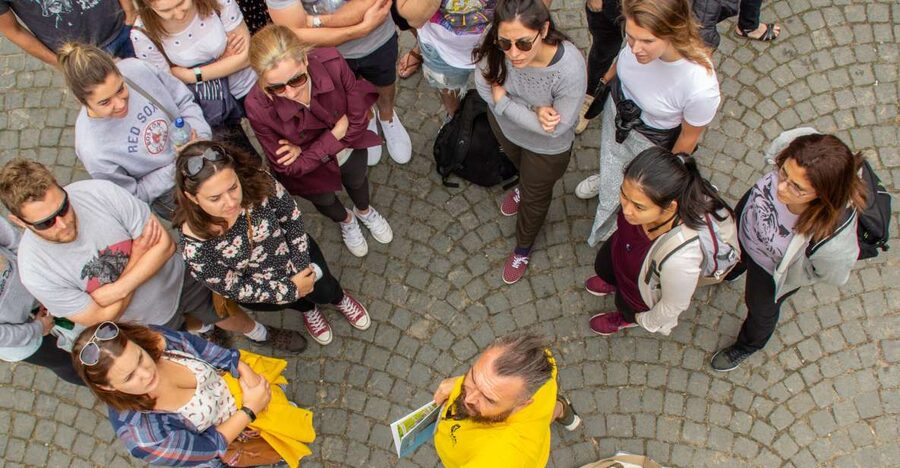
Rosary Quay, or Rozenhoedkaai, is the classic Bruges photo stop. You get around four minutes here for sightseeing and pictures. The view brings together water, old façades, and towers in one frame, so it is easy to understand why this is among the city’s most photographed spots.
Do not expect a long photography session. The group continues on foot, and the attraction is the quick visual payoff. If you want quiet photographs from several angles, return later on your own.
The route then follows Dijver for about seven minutes. This stretch gives you a different sense of Bruges, with water and historic buildings guiding the walk rather than a broad public square. Your guide continues the story of money, architecture, and changing fortunes.
Same city, a completely different way to spend a day:
- Bruges: Choco-Story Chocolate Museum Guided Tour w/Tastings
★ 4.2 · 1,379 reviews - From Bruges: Great War Flanders Fields Minibus Tour w/ Lunch
★ 4.9 · 1,257 reviews - Bruges: Guided Rickshaw Tour
★ 4.9 · 1,199 reviews - Round-Trip Shuttle Service from Zeebrugge to Bruges
★ 4.0 · 1,143 reviews
The Bonifacius Bridge and the old hospital quarter
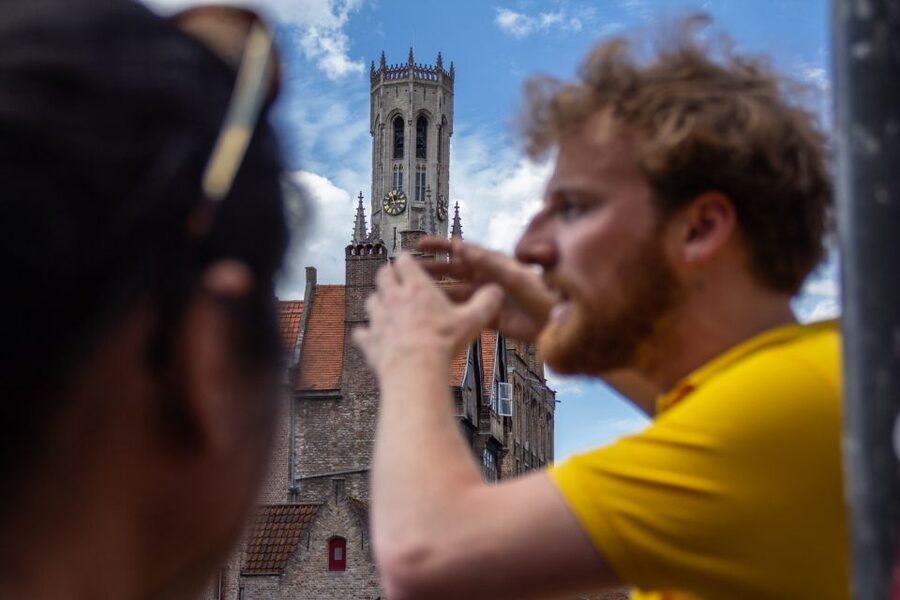
The Bonifacius Bridge, also called the Bridge of Love, gets around 10 minutes as a photo stop and explanation. It is a small, picturesque crossing, and the atmosphere feels more intimate than Markt or Burg.
This is one of the places where the route’s slower storytelling style matters. Instead of rushing past another attractive bridge, the guide uses it to connect Bruges’ romantic image with the city’s older layers. The result is less about ticking off a photo and more about understanding how the canals and lanes shaped daily life.
The walk continues toward the Gruuthusemuseum and Church of Our Lady. The museum receives about four minutes of outside explanation, while Church of Our Lady gets around 10 minutes. You will learn why these buildings matter, but admission is not part of the experience.
Church of Our Lady is an especially useful stop because it helps you see the scale of Bruges’ religious and artistic ambition. If you plan to visit inside, note that this tour only provides the guide’s outdoor commentary. Save your ticket money and time for after the walk if this is high on your list.
St. John’s Hospital and Bruges’ changing fortunes
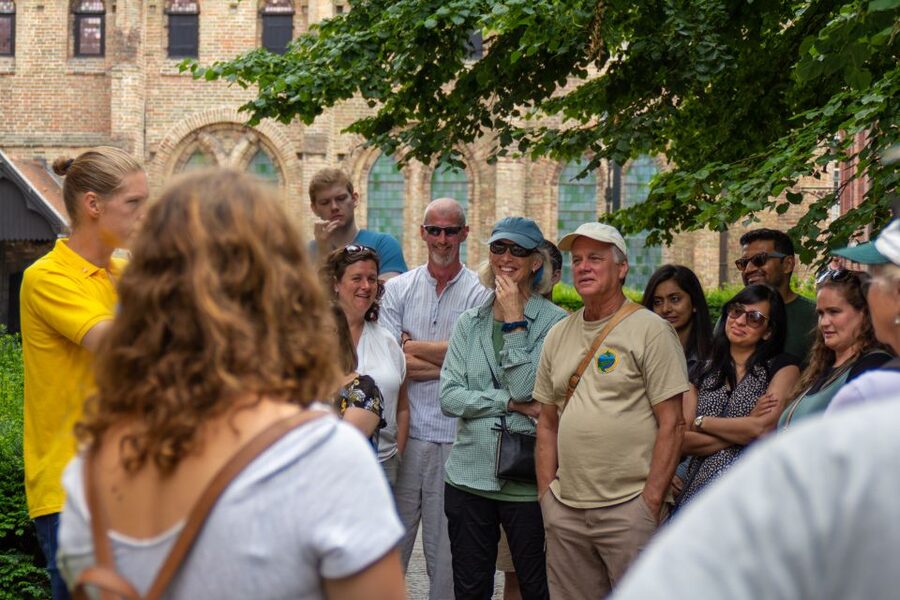
The route then heads through the former St. John’s Hospital area, with about 10 minutes for guided sightseeing. This stop adds a human side to the city’s grand architecture. Bruges was not only a place of merchants and rulers. It was also a city of care, illness, work, and ordinary survival.
The tour’s themes reach beyond the usual medieval topics. The guide may discuss feminism, finance, love, conflict, and the city’s uneasy relationships with French and Dutch powers. These subjects help prevent the walk from becoming a simple parade of dates and buildings.
This is also where the guides’ personalities become important. Pascal and Pascale are praised for theatrical energy and strong storytelling. Steve is known for keeping people involved with jokes, interactive moments, and playful explanations. Gosia, also written as Goycha in one account, is described as warm, funny, and energetic, while Nikki and Arthur are praised for clear explanations and useful local advice.
Guide quality can vary from one departure to another because each storyteller has a personal route and style. That is not necessarily a weakness, but you should expect the character of the walk to depend partly on who holds the umbrella that day.
Walplein and De Halve Maan brewery
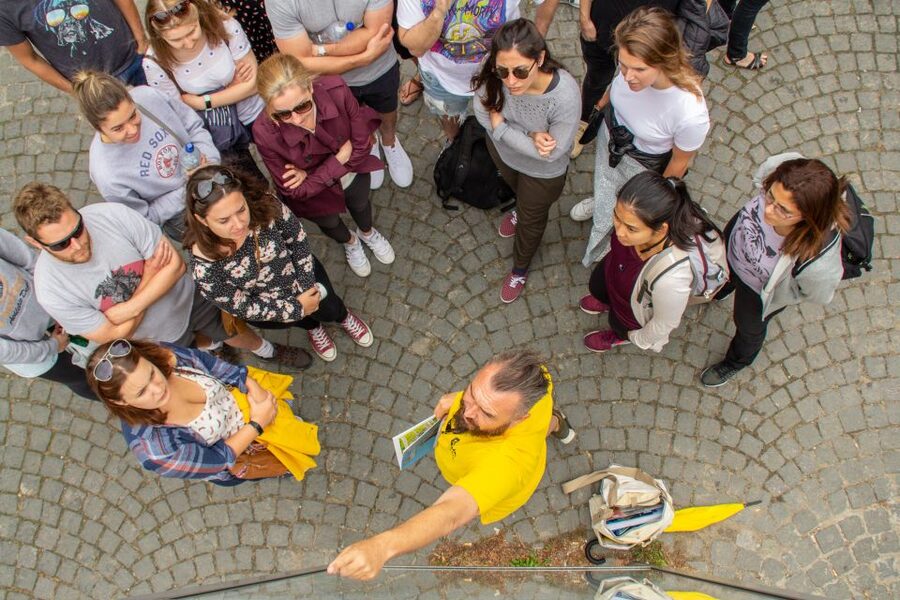
The final stretch passes through Walplein and reaches the Halve Maan brewery. The brewery receives about 10 minutes as a photo stop and guided sight, and the route is presented as finishing at Huisbrouwerij De Halve Maan.
This ending makes sense. Beer is one of the city’s most familiar products, and the stop gives the medieval trade story a modern local connection. The tour does not include brewery admission or a tasting, so plan a separate visit if you want to go inside.
There is a small point to clarify before you set off. The route details name De Halve Maan as the finish, while the meeting information says the activity ends back at the meeting point. Confirm the exact end point with the guide on the day, especially if you have a train, restaurant reservation, or museum entry booked soon afterward.
The free-tour price and what it really means
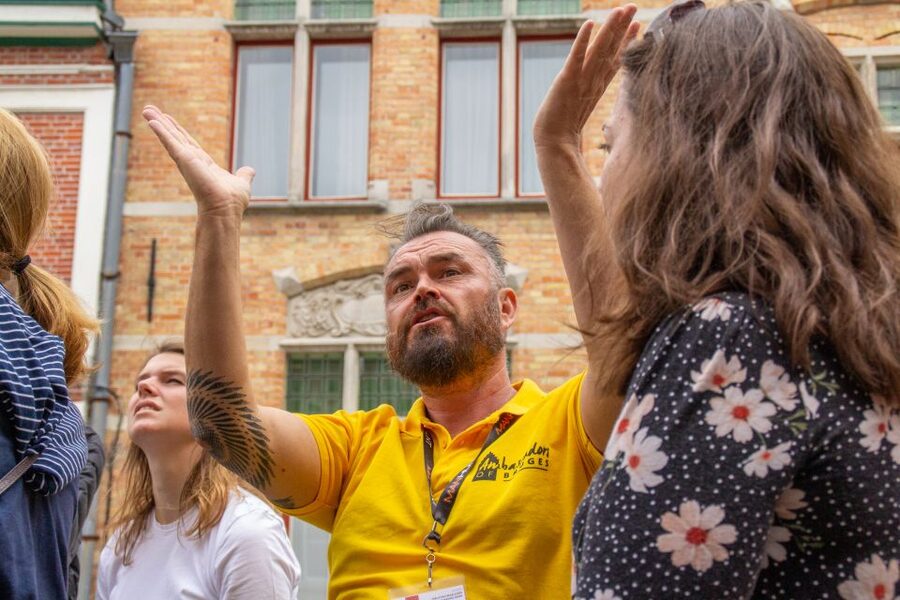
The listed price is about $3.41 per person, but this is a free walking tour in the usual sense: you do not pay a standard full tour fee upfront, and you tip your local storyteller at the end.
That model can be excellent value. You get about two hours of live guiding, city orientation, history, restaurant and sightseeing suggestions, and possible discounts at local businesses. The low booking price also makes it easy to add the walk to a short Bruges stay.
Still, do not treat free as meaning costless. Your tip is the guide’s main payment, so budget for one. The right amount depends on your satisfaction and your travel budget. The tour’s value is strongest when the guide gives you both a clear understanding of Bruges and practical advice you can use afterward.
Several guides also point people toward food and drink stops. One account specifically notes samples of chocolate, waffles, and fries during a walk with Steve, but you should not assume every departure includes the same treats. The included benefits specifically cover tips, recommendations, and discounts at local businesses.
Group size, timing, and comfort
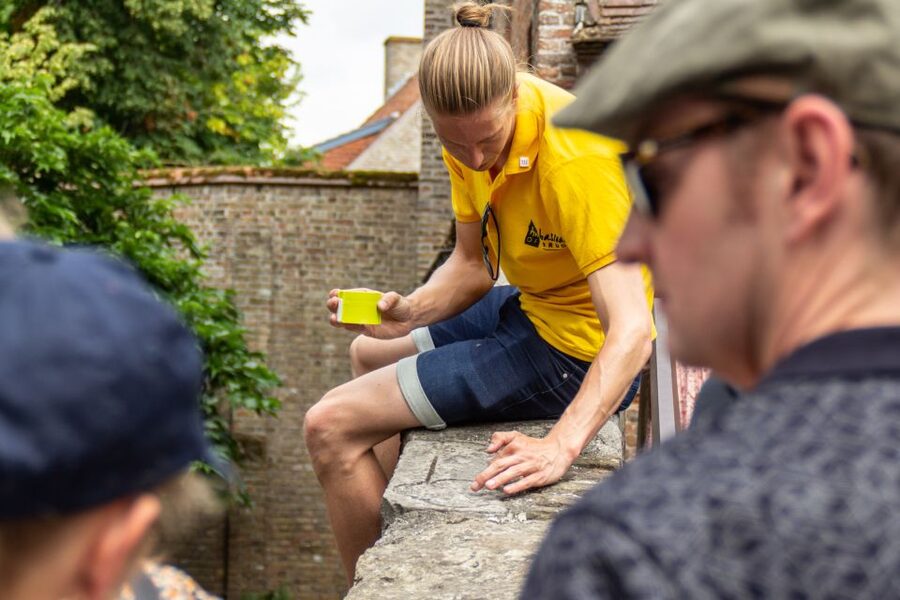
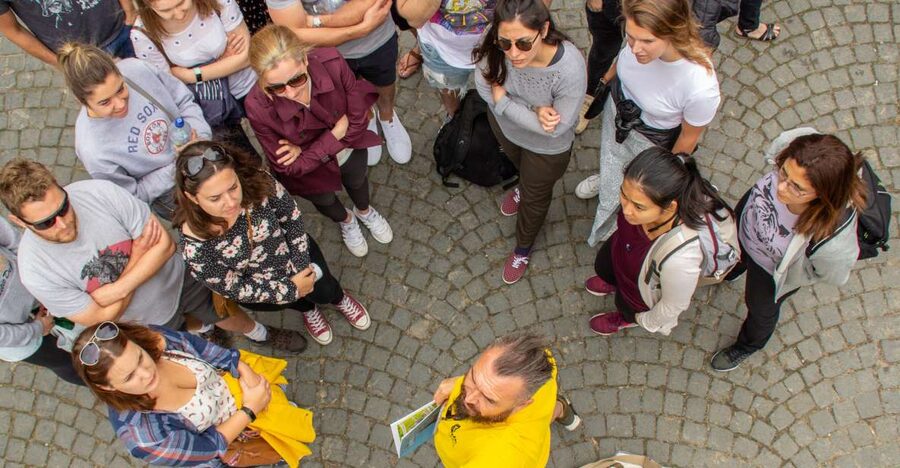
Bookings are limited to six people per group. This is a useful limit for a walking tour in narrow medieval lanes. A small group makes it easier to hear the guide, ask questions, and keep moving through crowded squares.
Do not make multiple bookings to create a larger party. Groups above six can be refused without a refund unless they contact Ambassadors Tours directly to arrange a private tour. This rule matters for families, school groups, and reunions.
The walk lasts about two hours, though one account describes a 2.5-hour experience. Allow a little extra time in case the storytelling runs long or the route moves at a relaxed pace. If you are staying only one day, a morning departure is especially practical because it leaves the afternoon for museums, a brewery visit, or a second look at the canals.
The walk is wheelchair accessible according to the activity information. Bruges has historic streets and bridges, so individual conditions can still affect comfort. If you use a wheelchair, confirm the precise route and end point before departure.
Dress for outdoor conditions. The walk continues in cold or wet weather, and one account specifically notes a cold day. Comfortable shoes and rain protection are sensible, even though the route is not described as strenuous.
What kind of guide should you expect?
This is not built around a single named guide. You might meet Pascal, Pascale, Steve, Gosia, Nikki, Arthur, Sophie, Victoria, Andy, Nick, or another member of the local team.
The most praised trait across the guide team is engaging delivery. Pascal is described as theatrical, using an umbrella like a sword and stepping into character. Steve is praised for humor and audience interaction. Nick is singled out for combining history with practical suggestions about places to eat, drink, and visit.
That style suits you if you prefer stories to lectures. Families and teenagers may stay focused more easily when the guide uses jokes and short performances. History lovers should also find enough substance, but you should not expect a university seminar or a detailed examination of every building.
English is the stated language. The guides are praised for clear English, though accents and individual speaking styles can differ. If you want a highly technical architectural tour, a private specialist guide may suit you better.
What you will not get
The experience does not include museum admission. That means you will see the outside of the Gruuthusemuseum, Church of Our Lady, St. John’s Hospital, and City Hall, but you will need to arrange and pay for interiors separately.
You also do not receive a private group unless you book one through the company. The standard experience is designed for small mixed groups, with a maximum of six people per booking.
The route covers many stops in two hours, so explanations are selective. You get a broad sense of Bruges rather than a complete account of every landmark. I see that as the right choice for a first walk, but it is worth knowing before you book.
Free cancellation is available up to 24 hours in advance for a full refund, and you can reserve now and pay later. Those terms are useful if your Bruges plans are still shifting.
Should you book this Bruges walking tour?
Book it if you want an entertaining first look at Bruges, especially if you enjoy local personalities, humor, and stories about how a city changed over time. The route covers the essential center, and the advice about food, museums, beer, and later sightseeing can help you spend the rest of your stay well.
I would choose a morning departure when possible. You can use the walk to get oriented, then return to the places that caught your attention, including Rosary Quay, Church of Our Lady, the Gruuthusemuseum, or De Halve Maan.
Skip it if you want long interior visits, a private guide, or a strictly academic lecture. For most first-time visitors, though, the modest upfront price, small group limit, central route, and lively guide style make this a smart way to meet Bruges.
FAQ
How much does the Bruges walking tour cost?
The listed price is about $3.41 per person. It follows a free walking tour model, so you tip your local storyteller at the end.
How long does the tour last?
The stated duration is two hours. One experience account describes a 2.5-hour walk, so allow a little extra time.
What language is the tour conducted in?
The tour is conducted in English by a live local storyteller.
Where does the tour start?
Meet your guide in front of the Belfry Tower on Bruges’ Market Square. Look for the yellow umbrella marked Ambassadors.
Where does the tour finish?
The route details name Huisbrouwerij De Halve Maan as the finish. The meeting information also says the activity ends back at the meeting point, so confirm the precise end point with your guide.
Is the tour wheelchair accessible?
Yes. The activity information describes the tour as wheelchair accessible.
Are museum admissions included?
No. Admission to museums is not included, including places such as the Gruuthusemuseum and Church of Our Lady.
Can a group of more than six people book together?
No. Each booking allows a maximum of six people. Larger groups must contact Ambassadors Tours to arrange a private tour, or they may be refused without a refund.
Just added around Bruges
- Best of Brussels Private Tour from Zeebrugge or Bruges★ 4.0 · 3 reviews
- Private taxi Transfer from Bruges to Amsterdam★ 5.0 · 3 reviews
- Bruges Photo Session By a Pro★ 5.0 · 3 reviews
- Private 3-hour walking tour of Bruges with official tour guide★ 4.0 · 3 reviews
- BeerWalk Bruges (French guide)★ 5.0 · 3 reviews
- Brussels: Private & Customizable Day Trip to Bruges★ 5.0 · 3 reviews
- Private: Discover Bruges beers & brewery with chocolate pairing by a young local★ 5.0 · 3 reviews
- Bruges: Ticket Volkskundemuseum (Folk Museum)★ 5.0 · 3 reviews
Bruges Tours, compared.

Small Group Boat Cruise and Guided Walking Tour
Read our review →
Walking Tour, Canal Boat Trip w/Beer Tasting Option
Read our review →
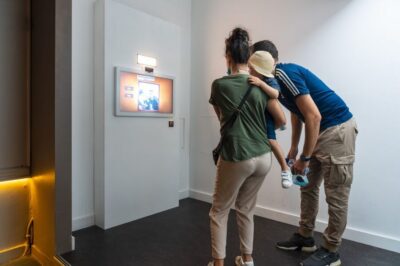
Choco-Story Chocolate Museum Guided Tour w/Tastings
Read our review →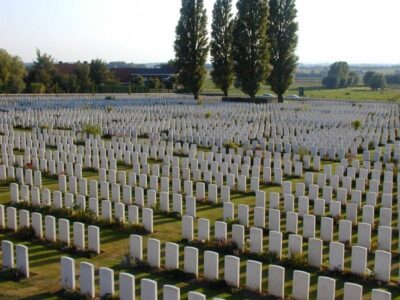
From Bruges: Great War Flanders Fields Minibus Tour w/ Lunch
Read our review →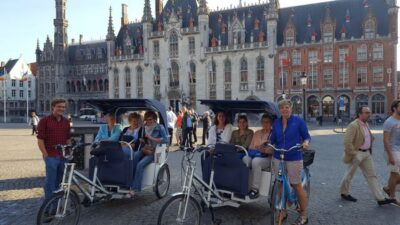
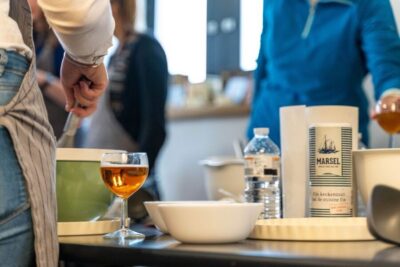
Belgian Waffle-Making Workshop with Beer Tasting
Read our review →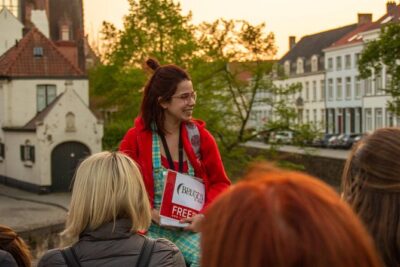
Browse the lists this tour appears in