
Reviewed · BRUGES TOURS
Bruges: Ticket Volkskundemuseum (Folk Museum)
Bruges is famous for medieval streets and grand Gothic buildings, but the Volkskundemuseum shows how ordinary people lived, worked, learned, and shopped. Its restored laborers’ dwellings feel far more personal than a grand historical monument, with small rooms and familiar objects that bring the past down to human scale.
I like the museum’s old shops and working rooms, especially the pharmacy, tailor’s workshop, confectionery, and grocery store. I also like the odd, charming objects on display, from pipe heads and tobacco products to pilgrimage pennants, children’s games, and cake molds. The main consideration is that the museum is modest in size, so it suits a focused visit rather than a full-day museum marathon.
Key points
- Restored laborers’ homes: See historical interiors shaped around everyday life rather than royal wealth.
- Old businesses in one visit: Explore a classroom, pharmacy, tailor’s shop, confectionery, and grocery store.
- Unusual household objects: Look for vintage games, tobacco items, pipe heads, pilgrimage pennants, and baking molds.
- Temporary exhibitions included: Your admission covers the museum’s changing displays on the upper floor.
- Family-friendly folk games: Indoor gardens provide space for traditional games and simple activities.
- Seasonal sweet-making: A sweet maker has traditionally worked on the first and third Thursday afternoons, with the published schedule noting a return in 2024.
Bruges Beyond the Medieval Postcard
The Volkskundemuseum offers a useful change of pace from Bruges’ famous canals, churches, and decorated townhouses. Instead of focusing on merchants, nobles, or civic monuments, it looks at the daily routines of working people in the 19th and early 20th centuries.
That change matters. You can admire Bruges’ medieval center without learning much about the people who cooked meals, taught children, repaired clothes, sold groceries, or visited a pharmacy. Here, those ordinary tasks become the main story.
I find this sort of museum especially helpful early in a Bruges visit. It gives you a clearer sense of social life in the city, not just its architectural showpieces. The setting is built around historical interiors, so you are looking at rooms and objects together rather than isolated items behind glass.
The museum is also easy to understand without a long explanation. A classroom looks like a classroom. A shop looks like a shop. A collection of cake and chocolate molds needs little interpretation before you start thinking about baking, selling, and family life in another era.
More Museums in Bruges
- Bruges: Choco-Story Chocolate Museum Guided Tour w/Tastings
★ 4.2 · 1,379 reviews - Choco-Story: The Chocolate Museum in Bruges
★ 4.0 · 544 reviews - Bruges: Chocolate Making Workshop and Chocolate Museum Entry
★ 4.6 · 395 reviews
Inside the Restored Laborers’ Dwellings
The first major draw is the group of restored laborers’ homes. These rooms are not grand, and that is exactly their value. They show a more compact, practical side of Bruges, with interiors shaped by work, family routines, and limited space.
As you move through them, pay attention to the arrangement of objects. The museum is not only showing old things. It is showing how those things belonged together in a working household. A room can tell you about storage, craft, food, leisure, and daily habits without needing a large display panel.
The small scale helps families, too. Younger children can recognize the basic purpose of many objects while noticing how strange some versions look compared with modern ones. Older visitors may find the rooms familiar in a different way, particularly if they remember similar household tools, games, or shop displays from their own childhood.
You should not expect the polished grandeur of a palace museum. The interiors are appealing because they are plain and close to everyday experience. If you enjoy domestic history, this is likely to be the strongest part of the visit. If you mainly want monumental art or famous masterpieces, the museum may feel too quiet and specialized.
An Old Classroom and the Work of Learning
The old classroom gives the museum a clear family and social angle. It places education inside the same world as the homes and shops, showing that childhood was part of the wider rhythm of community life.
The classroom is also a useful stop for children. Rather than simply looking at objects, they can picture where lessons happened and compare the setting with their own school. The museum’s upper floor also offers engaging activities and exhibitions, giving younger visitors something to do after the more observational parts of the visit.
The available details do not specify a guided lesson or live teaching demonstration, so you should treat this as a historical interior rather than a scheduled classroom performance. Even so, the room adds an important piece to the museum’s story. It reminds you that folk life includes institutions and routines, not only household items.
Pharmacy, Tailor, Confectionery, and Grocery Store
The old businesses are the museum’s most memorable sequence. Each one gives you a different view of how people obtained goods and services before modern retail became standardized.
The vintage pharmacy points to a time when medicines, remedies, and shop presentation looked very different from today. The display is valuable because it connects commerce with health, one of the most practical concerns in any community.
The tailor’s workshop shifts the focus to clothing and skilled work. It helps you think about garments as made objects rather than disposable purchases. The tools and setting can also make the work of tailoring easier to picture, even if you know little about the craft.
The confectionery store brings in the pleasure of sweets and special treats. This part pairs naturally with the museum’s cake and chocolate molds, which show how baking could be both domestic work and a commercial activity.
The grocery store completes the sequence with ordinary shopping. It is an effective reminder that food buying once involved different displays, containers, and routines. Together, these rooms feel like a small street of businesses, even though the museum’s purpose is historical rather than theatrical.
This section is where the museum feels most accessible. You do not need a detailed background in Belgian history to enjoy it. The shops provide immediate visual clues, and their variety keeps the visit moving.
Same city, a completely different way to spend a day:
- Bruges: Small Group Boat Cruise and Guided Walking Tour
★ 4.8 · 4,102 reviews - Bruges: Walking Tour, Canal Boat Trip w/Beer Tasting Option
★ 4.4 · 2,759 reviews - Historical Walking Tour: Legends of Bruges
★ 5.0 · 2,541 reviews - From Bruges: Great War Flanders Fields Minibus Tour w/ Lunch
★ 4.9 · 1,257 reviews
The Collection of Small, Curious Objects
Some of the best moments come from the objects that are easy to overlook. The museum holds tobacco products, finely made pipe heads, pilgrimage pennants, vintage children’s games, and cake and chocolate molds.
These are not grand treasures in the usual museum sense. They are useful clues. A pipe can tell you about smoking habits, design, and craftsmanship. A pilgrimage pennant points to religious travel and local devotion. A child’s game shows how leisure worked before screens and electronic toys. A mold links food with celebration, trade, and family tradition.
I like this mix because it avoids making the past seem tidy or predictable. The collection includes practical objects, decorative pieces, religious items, and playful things. That combination feels closer to real life, where a household contains many kinds of objects for many reasons.
Give yourself time to inspect the displays rather than rushing from room to room. The museum’s charm comes from small discoveries. Children may focus on the games and molds, while adults may spend longer with the tobacco items, shop interiors, or domestic details.
Upper-Floor Exhibitions and Indoor Folk Games
The museum’s upper floor adds changing exhibitions and activities beyond the permanent historical rooms. The temporary exhibitions are included with admission, which improves the value of a ticket priced at about $9 per person.
Because these exhibitions rotate, the exact subject will depend on your date. That is a reason to check the current program before booking if you are especially interested in a particular theme. The changing displays also give repeat visitors a reason to return.
The indoor gardens provide space for folk games. This is a welcome feature if you are visiting with children, since a museum built around old interiors can otherwise become a mostly visual experience. The games offer a more active way to connect with traditional recreation.
The available information does not name each game or promise a particular activity on every date. Think of this area as an added opportunity rather than a scheduled performance. It can be especially useful when children need a short break from looking closely at displays.
When the Sweet Maker Is Working
A special museum moment has traditionally taken place on the first and third Thursday afternoons of each month. A sweet maker fills the building with the smell of freshly made treats, creating a sensory link to the confectionery displays.
The published schedule described this activity through September 21, 2023, with the sweet baker expected to return in 2024. Since those dates have passed or may have changed, check the current schedule before planning your visit around it.
If the activity is running during your visit, it should add more than a pleasant smell. It connects the old molds, the confectionery shop, and the making of sweets in a way that static displays cannot. Still, do not buy the museum ticket solely for this feature unless you have confirmed the date. The permanent rooms and temporary exhibitions remain the dependable reasons to go.
December’s Mid-winter Festival
The museum also hosts a Mid-winter Festival in December. It brings a seasonal element to the folk-life program and fits the museum’s focus on community customs, games, food, and shared traditions.
The supplied details do not give a full schedule or list of performances, so you should check the museum’s current information for dates and activities. Treat it as a special seasonal event, not part of every standard admission.
For a December visit to Bruges, this could be a pleasant addition to a day of markets, lights, and historic streets. The museum offers a quieter way to experience seasonal culture, especially if you want something beyond the city’s main squares.
Who Will Get the Most From the $9 Ticket
At roughly $9 per person, the ticket offers solid value if you enjoy social history, old interiors, or smaller museums with a clear theme. Admission includes the permanent museum and temporary exhibitions, so you are not paying separately for the changing displays.
The price is particularly reasonable for families because children under 13 can receive a free ticket at the box office. Confirm the exact child-ticket process when you arrive, since the free admission is specifically stated for the box office rather than necessarily for every booking channel.
You may find better value here than at a large art museum if you prefer objects with an obvious connection to daily life. The museum is also a good choice when you want a break from Bruges’ busiest sights. It offers substance without requiring a long, exhausting visit.
The ticket is less compelling if your main goal is fine art, major historical events, or a large collection. The museum’s appeal depends on your interest in homes, shops, crafts, food, games, and small personal objects.
Practical Details Before You Go
The ticket is valid for one day, and the museum entrance and temporary exhibitions are included. You can skip the ticket line with the supplied admission, which is useful when you want to keep your Bruges schedule flexible.
The listed price is $9 per person, though booking prices can change. You can reserve now and pay later, and cancellation is allowed up to 24 hours in advance for a full refund under the stated terms.
Leave luggage and large bags behind. Pets are not allowed, though assistance dogs are permitted. Flash photography is also prohibited, so use non-flash photography only if the museum allows it in the relevant rooms.
The experience provider is Musea Brugge. No guide is named, and this is presented as a museum visit rather than a guided tour. You should plan to explore at your own pace and check the current opening times and exhibition schedule before setting out, since starting times are subject to availability.
Should You Book the Volkskundemuseum?
Book it if you want to see the everyday side of Bruges. The restored homes, old classroom, pharmacy, tailor’s workshop, confectionery, and grocery store create a clear picture of ordinary life, while the small objects add plenty of detail for careful observers.
I would especially recommend it to families, history-minded visitors, and anyone who enjoys local culture more than famous masterpieces. The free ticket option for children under 13 and the indoor folk games make it a practical family stop.
Skip it if you have very little time in Bruges and only want the city’s headline sights. Otherwise, the modest price, included temporary exhibitions, and unusual collection make this an easy museum to add between larger attractions. The two verified ratings supplied for the experience were both five out of five, including one short French review and one Belgian review describing it as splendid. That matches the museum’s strongest quality: it offers a simple, direct, and appealing look at life behind Bruges’ grand façades.
FAQ
Where is the Volkskundemuseum located?
The Volkskundemuseum is in Bruges, in Flanders, Belgium.
How much does admission cost?
The listed price is $9 per person.
How long is the ticket valid?
The ticket is valid for one day.
What does the ticket include?
Admission includes entry to the Volkskundemuseum and its temporary exhibitions.
Are children under 13 admitted free?
Children under 13 can obtain a free ticket at the box office.
Can I cancel my booking?
Yes. You can cancel up to 24 hours in advance for a full refund under the stated booking conditions.
Can I reserve now and pay later?
Yes. The reserve now and pay later option lets you book without paying on the day of reservation.
Are large bags allowed inside?
No. Luggage and large bags are not allowed.
Are pets and flash photography allowed?
Pets are not allowed, although assistance dogs are permitted. Flash photography is also not allowed.
Just added around Bruges
- Private taxi Transfer from Bruges to Amsterdam★ 5.0 · 3 reviews
- Bruges Photo Session By a Pro★ 5.0 · 3 reviews
- Best of Brussels Private Tour from Zeebrugge or Bruges★ 4.0 · 3 reviews
- Private 3-hour walking tour of Bruges with official tour guide★ 4.0 · 3 reviews
- BeerWalk Bruges (French guide)★ 5.0 · 3 reviews
- Brussels: Private & Customizable Day Trip to Bruges★ 5.0 · 3 reviews
- Private: Discover Bruges beers & brewery with chocolate pairing by a young local★ 5.0 · 3 reviews
- Bruges; private walking tour with the Beardbarian★ 5.0 · 3 reviews
Bruges Tours, compared.

Small Group Boat Cruise and Guided Walking Tour
Read our review →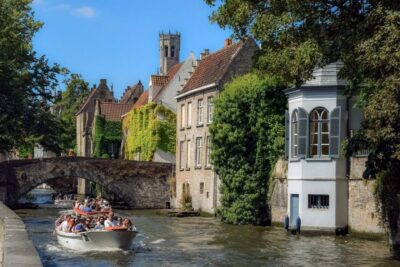
Walking Tour, Canal Boat Trip w/Beer Tasting Option
Read our review →
Choco-Story Chocolate Museum Guided Tour w/Tastings
Read our review →
From Bruges: Great War Flanders Fields Minibus Tour w/ Lunch
Read our review →

Belgian Waffle-Making Workshop with Beer Tasting
Read our review →
Browse the lists this tour appears in