
Reviewed · BRUGES TOURS
Bruges: Silver Ring-Making Workshop
The best part of this Bruges workshop is that you do not simply buy a souvenir. You make a sterling silver ring yourself, from cutting the metal to adding the final finish. The small class keeps the session hands-on, and the result has the pleasant flaws and personal marks of something made by human hands.
I like the choice of three finishes, especially the rough forged option for a rustic look. I also like the chance to stamp a name, date, or even your favorite Belgian beer inside the ring. The main consideration is the price: at $206 per person, this is a serious splurge for a 150-minute activity, not a casual craft class.
Key points at a glance
- Make the entire ring by hand: Cut, shape, hammer, solder, file, and finish your own sterling silver band.
- Work in a group of four or fewer: The small setting allows close guidance while you handle saws, hammers, files, and other tools.
- Add a hidden message: Stamp a name, date, or personal phrase on the inside of the ring.
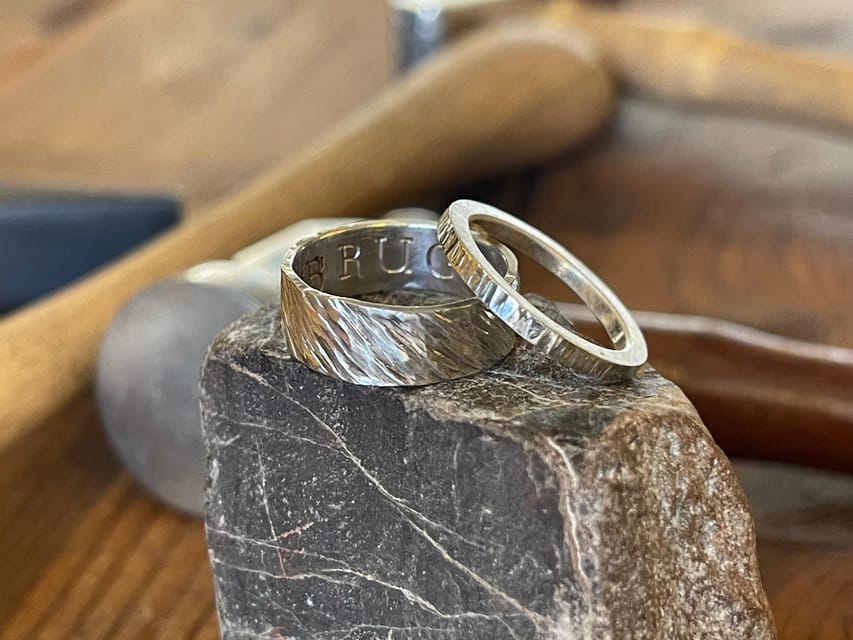
- Choose your final style: Pick a bright polished finish, a soft satin sheen, or a rough forged surface.
- Meet in central Bruges: Bennett & Mason is marked by large double red-framed windows and the store logo.
- Expect a real workshop: Wear closed shoes and comfortable clothes, and be ready to work with your hands for the full session.
Why a silver ring is a better Bruges souvenir
Bruges offers no shortage of things to take home, from chocolate to beer glasses and lace. A hand-made ring gives you something different: a small object linked to a particular afternoon, with your own marks still visible in the metal.
That personal link matters. You choose the finger, decide the style, cut the silver, and select the finish. The ring is not just associated with Bruges because you bought it there. It carries the memory of making it there.
The material is recycled 925 sterling silver, also called sterling silver. That means the ring is made from silver alloy rather than pure silver, which is too soft for many everyday uses. All the silver needed for your ring is included, so you do not need to buy metal separately.
I would think of this as a creative activity with a finished keepsake, not as a jewellery-making course in the formal sense. In 150 minutes, you learn the basic process and complete one ring. You will not leave trained in every part of silverworking, but you will understand how a flat strip of silver becomes a wearable circle.
A few more Bruges half-days to weigh up
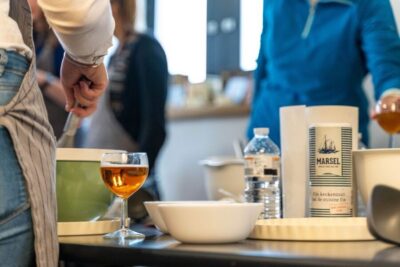
- Bruges: Belgian Waffle-Making Workshop with Beer Tasting
★ 4.9 · 960 reviews - Belgian Chocolate Workshop in Bruges
★ 5.0 · 660 reviews - Bruges: Belgian Praline and Mendiants Chocolate Workshop
★ 4.7 · 620 reviews
Finding Bennett & Mason in central Bruges
The workshop takes place inside Bennett & Mason, a retail store and working workshop in the centre of Bruges. Look for the large double red-framed windows, with the store logo displayed on each one.
If the door is closed, ring the bell. That small detail is worth remembering, especially if you arrive early and find the shop quiet. You arrange your own transport to the workshop, but its central location makes it practical to pair with a day of sightseeing in Bruges.
There is a secure place to store luggage, which helps if you are coming straight from a hotel or train connection. Still, bring only what you need. You will be working at a bench with hand tools, and a lighter load is simply easier.
The shop setting gives the class a more authentic feel than a staged tourist studio. You are working in a real retail and production space, surrounded by the tools and materials of jewellery making. That also means you should expect a working environment rather than a spotless craft lounge.
Choosing your ring before touching the tools
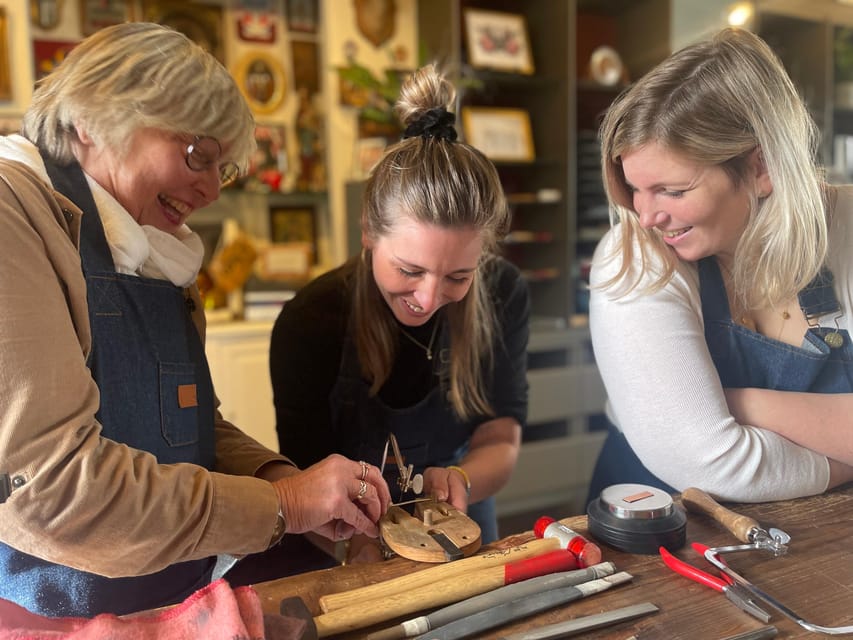
The session begins with the design decisions. You choose the shape and style of your ring, then decide which finger you plan to wear it on. That choice comes before measuring and cutting, so take a moment to think about comfort and daily use.
Your silver is measured to size, then cut with a handsaw. This is an important part of the class because you are not handed a prepared ring blank. You start with the raw material and take responsibility for the first major step.
The handsaw requires care and patience. It is not difficult because you need great strength, but because the cut needs control. You will receive guidance, and no previous jewellery or silverworking experience is needed. Pay close attention to the safety instructions and do not rush the cut.
This stage may feel less glamorous than the final polishing, but it is one of the reasons the activity has value. You see the ring develop from a measured piece of silver rather than watching an instructor do all the meaningful work.
Stamping a private message inside the band
Before the ring is closed, you can use the available hand stamps to place a custom message inside it. Possibilities include a name, a date, or the name of a favorite beer. The hidden placement makes this detail personal rather than showy.
You should decide your wording carefully. The space inside a ring is limited, and stamping requires a deliberate strike. A short date or name is likely to be easier to manage than a long sentence, but the workshop provides a selection of stamps for you to use.
This is one of the strongest features for couples, honeymooners, and anyone marking a special trip. The outside of the ring can remain simple while the inside holds a private reminder. It also works well for a solo visitor: a place name, personal date, or small word can connect the ring to your time in Belgium.
Stamping is not the same as printing a message perfectly by machine. The letters may have a handmade character, which is part of the charm. If exact, flawless lettering is your priority, this is worth keeping in mind before you book.
Same city, a completely different way to spend a day:
- Bruges: Small Group Boat Cruise and Guided Walking Tour
★ 4.8 · 4,102 reviews - Bruges: Walking Tour, Canal Boat Trip w/Beer Tasting Option
★ 4.4 · 2,759 reviews - Historical Walking Tour: Legends of Bruges
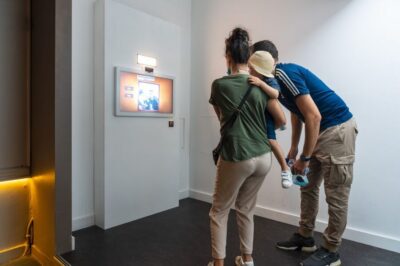
★ 5.0 · 2,541 reviews - Bruges: Choco-Story Chocolate Museum Guided Tour w/Tastings
★ 4.2 · 1,379 reviews
Hammering silver into a ring shape
Once the silver is cut and stamped, you use mallets and a triblet to form it into a rough ring. A triblet is a tapered metal tool that supports the band while you shape it. The process involves repeated light blows rather than one dramatic strike.
This is where the flat piece begins to look like jewellery. You work the silver around the triblet, adjusting the curve until the ends meet. The hammering also gives you a chance to add texture, depending on the design you choose.
You will be using real hand tools, including hammers and files. Comfortable clothes and shoes are essential. High heels and open-toe shoes are not permitted, and that rule makes sense in a workshop where tools and metal are in use.
The class is hands-on throughout. If you prefer to sit back and watch a craft demonstration, choose a different Bruges activity. Here, the point is to make the ring yourself, with the instructor stepping in to demonstrate, guide, and help you work safely.
Soldering, fitting, and rounding the band
The instructor demonstrates soldering, the process used to heat and join the silver so the ring becomes a complete circle. You then check the fit and refine the shape, working toward a round, comfortable band.
Soldering is the technical moment of the workshop. It involves heat and requires careful attention, so this is a stage where you should follow instructions closely. The demonstration helps you understand what is happening, even if the instructor takes the lead for part of the process.
Fit is not a minor detail. A ring that looks good but pinches or spins constantly will spend more time in a drawer than on your finger. Checking the size before the final shaping gives you a chance to make adjustments.
The ring is then filed and refined on the outside. Any rough edges need attention, and the shape becomes cleaner as you work. This is a useful reminder that handmade does not have to mean unfinished. The final result still depends on careful smoothing and checking.
Choosing between polished, satin, and forged finishes
The last major decision is the surface finish. You can choose:
- Polished: Bright and reflective, with the most sparkle.
- Satin: Softer and more muted, with a gentle sheen.
- Rough forged: Textured and rustic, with more visible evidence of the hammering.
I would choose the finish based on how you normally wear jewellery. A polished surface gives the ring a classic, bright appearance. Satin is subtler and may suit someone who prefers less shine. The rough forged look is the clearest reminder that you made the piece by hand.
You can also experiment with textures or add markings to make the outside more individual. That gives you some room to move beyond a plain band, although the available result will depend on the design options and the time in the session.
The finish changes the personality of the ring more than its basic form. Two people could follow the same process and leave with pieces that look quite different because of their texture, markings, and surface treatment.
What the small group changes
The class is limited to four participants. That is a useful size for work involving saws, hammers, files, and specialist jewellery tools. You are not trying to catch an instructor’s attention across a large room.
A small group also suits couples. You can make matching rings without producing identical ones, since each person can choose a different finish or stamp a different message. One couple described the activity as a honeymoon highlight, which makes sense: the rings become a shared project rather than another purchased souvenir.
The atmosphere is intended to be friendly, patient, and relaxed. Clear explanations matter here because the process has several steps, and the strongest feedback about this activity focuses on the calm, professional guidance and welcoming mood.
The trade-off is that a group of four can still have different working speeds. Someone who works slowly on a cut or wants extra time with a finish may need to stay aware of the 150-minute schedule. Do not arrive expecting unlimited workshop time.
Is $206 a fair price?
At $206 per person, the cost is high compared with a standard museum visit, tasting, or short craft demonstration. You are paying for the silver, the tools, instruction, a small-group format, and a finished piece that you take home.
The value improves if you care about making rather than simply collecting. The ring is sterling silver, not a low-cost trinket, and you take part in every major stage. The custom stamping and choice of finish also make it more personal than a ready-made souvenir.
The price is harder to justify if you mainly want an inexpensive reminder of Bruges. In that case, the ring itself may cost more than you planned, and the 150-minute session takes a sizeable part of your sightseeing day.
The booking terms reduce some of the risk. You can cancel up to 24 hours before the activity for a full refund, and you can reserve now and pay later. Food is not included, but tea, coffee, water, soft drinks, and small snacks such as biscuits and chocolates are provided. Do not book this expecting a meal.
Gold options may be available for an additional cost. You need to contact the provider before booking for a quote or specific design request. The standard workshop includes recycled 925 sterling silver.
Who should book this Bruges workshop?
I would recommend it most strongly to:
- Couples who want a shared keepsake with matching or complementary designs.
- Solo visitors who prefer making something personal to taking standard souvenirs home.
- First-time jewellery makers who want clear instruction without committing to a long course.
- Anyone who enjoys hand tools, texture, and the small imperfections of handmade work.
- Visitors with a free two and a half hours in central Bruges.
It is not a good fit for someone who wants a passive activity. You will be cutting, hammering, filing, and making detailed choices for most of the session.
The age limit is also clear: children under nine cannot take part. Wheelchair users cannot be accommodated according to the activity information. If you need reading glasses for close work, bring them. Fine detail is part of stamping, shaping, and finishing the ring.
Wear comfortable clothes and closed, comfortable shoes. Avoid high heels and open-toe shoes. These are basic requirements, but ignoring them could make the workshop unsafe or uncomfortable.
My verdict: book it for the making, not just the ring
I would book this if you want an active Bruges memory and are comfortable paying $206 for a small-group craft session. The strongest reasons are the full hands-on process, the personal message inside the band, and the freedom to choose a polished, satin, or rough forged finish.
I would skip it if your budget is tight, your Bruges schedule is packed, or you would rather watch than handle tools. The price is substantial, and the workshop asks for focus from beginning to end.
For the right person, this is a thoughtful souvenir with a story built into it. You leave with a ring, but also with the memory of measuring the silver, striking the stamps, shaping the band, and deciding how much of the making process you want to leave visible.
FAQ
Where does the silver ring-making workshop take place?
It takes place at Bennett & Mason, a store and workshop in the centre of Bruges in Flanders, Belgium.
How long does the workshop last?
The workshop lasts 150 minutes, or two and a half hours.
How much does the activity cost?
The listed price is $206 per person.
Is previous jewellery-making experience required?
No. You do not need previous experience with jewellery tools or silverworking.
What material is included for the ring?
The workshop includes recycled 925 sterling silver and all other materials needed to make your ring.
Can I add a message to the ring?
Yes. You can use hand stamps to add a custom message inside the ring, such as a name, date, or favorite beer.
Which finishes can I choose?
You can choose a polished finish, a satin finish, or a rough forged finish.
What should I wear and bring?
Wear comfortable clothes and comfortable closed shoes. Do not wear high heels or open-toe shoes. Bring reading glasses if you need them for close-up work.
Is the workshop suitable for children or wheelchair users?
Children under nine are not permitted, and the activity is not suitable for wheelchair users.
Just added around Bruges
- Private taxi Transfer from Bruges to Amsterdam★ 5.0 · 3 reviews
- Bruges Photo Session By a Pro★ 5.0 · 3 reviews
- Best of Brussels Private Tour from Zeebrugge or Bruges★ 4.0 · 3 reviews
- Private 3-hour walking tour of Bruges with official tour guide★ 4.0 · 3 reviews
- BeerWalk Bruges (French guide)★ 5.0 · 3 reviews
- Brussels: Private & Customizable Day Trip to Bruges★ 5.0 · 3 reviews
- Private: Discover Bruges beers & brewery with chocolate pairing by a young local★ 5.0 · 3 reviews
- Bruges: Ticket Volkskundemuseum (Folk Museum)★ 5.0 · 3 reviews
Bruges Tours, compared.
Small Group Boat Cruise and Guided Walking Tour
Read our review →
Walking Tour, Canal Boat Trip w/Beer Tasting Option
Read our review →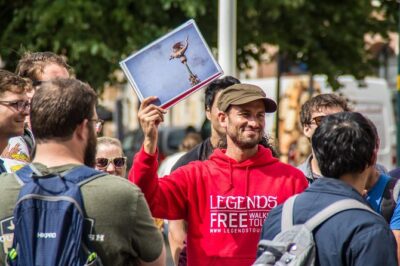
Choco-Story Chocolate Museum Guided Tour w/Tastings
Read our review →
From Bruges: Great War Flanders Fields Minibus Tour w/ Lunch
Read our review →
Belgian Waffle-Making Workshop with Beer Tasting
Read our review →
Browse the lists this tour appears in